<?xml version="1.0" encoding="utf-8"?>
<feed xmlns="http://www.w3.org/2005/Atom">
  <generator uri="https://jekyllrb.com/" version="4.4.1">Jekyll</generator>
  <link href="https://vishalkatariya.com/feed/katskable.xml" rel="self" type="application/atom+xml" />
  <link href="https://vishalkatariya.com/katskable/" rel="alternate" type="text/html" />
  <updated>2026-07-18T20:11:41+05:30</updated>
  <id>https://vishalkatariya.com/feed/katskable.xml</id>
  <title type="html">Kat's Kable</title>
  <subtitle>Ten great pieces of longform journalism from around the internet, sent every weekend.</subtitle>

  <author>
    <name>Vishal Katariya</name>
    
    
      <uri>https://vishalkatariya.com/</uri>
    
  </author>


    <entry>
      
      <title type="html">Kat’s Kable Turns Ten!</title>
      <link href="https://vishalkatariya.com/katskable/kats-kable-10th-birthday" rel="alternate" type="text/html" title="Kat’s Kable Turns Ten!" />
      <published>2026-07-16T00:00:00+05:30</published>
      <updated>2026-07-16T00:00:00+05:30</updated>
      <id>https://vishalkatariya.com/katskable/kats-kable-10th-birthday</id>


        <content type="html" xml:base="https://vishalkatariya.com/katskable/kats-kable-10th-birthday"><![CDATA[<p>I’ve often thought of a “decade” as some sort of vague time period not relevant to my life. But it is! A decade is an entire third of my life right now, and for the last decade, I’ve been running Kat’s Kable. <em>A decade</em>. What a surreal feeling.</p>

<p>I feel a deep sense of happiness, pride and accomplishment for keeping the Kable running this long. It’s an extension of me, pretty much - a place for me to feed, indulge and grow my curiosity about the world. I still remember writing the Kable for the first time - a combination of me sending cool things to read to my friends, me being inspired by people around me starting TinyLetters, and honestly an inspired choice of naming (I’m Kat + I’d just read Cat’s Cradle + who doesn’t love an alliteration?).</p>

<p>In a way, I’ve always wanted to play the long game. After the first few issues, I remember thinking to myself, “whoa, wouldn’t it be cool to one day get to Kat’s Kable #1000?”. Almost halfway there now :)</p>

<p>I’ve gone back to Maria Popova’s <a href="https://www.themarginalian.org/2016/10/23/10-years-of-brain-pickings/">10 Learnings from 10 Years of Brain Pickings</a> many many times, and I’ve never indulged myself in writing something like it myself. No longer! Here’s my version of notes to myself about the Kable:</p>

<ol>
  <li>
    <p><strong>The Kable is an infinite game</strong>: I’m a big fan of James Carse’s book <em>Finite and Infinite Games</em>. An infinite game is a set of sustained interactions where the aim isn’t to win, but to keep playing. It allows for an expansive view of the world. For me, the Kable has never been a means to an end, because there is no end. The joy of the Kable is in the unfolding, and in keeping it alive in a way that nourishes me. It doesn’t only nourish my curiosity, but also my social life! I’ve made friends via the newsletter, I’ve gotten my current job (and hence met Samira) via the Kable, and more. There’s no way any of these would have happened had I had a more narrow view of the Kable, or viewed it as a “project” with a certain end.</p>
  </li>
  <li>
    <p><strong>I do it for myself</strong>: Looking back, I’ve had many moments when I’ve felt like I didn’t really want to continue. Honestly, most times when I send the Kable out, I get zero replies and maybe a couple of acknowledgements from friends/family. What I’ve done consistently is ask myself, “would I still curate the Kable if I didn’t have an audience? Is it fun for its own sake?” and thankfully, the answer to that has almost always been yes.</p>
  </li>
  <li>
    <p><strong>I’ve been stubborn with my format</strong>: The Kable doesn’t look materially different now than it did back in 2016. I’ve been stubborn! I liked the format, and it has been easy for me to put it together this way. Changes I’ve made have been minor - I remember back in 2018/19 I had three mini-themes in each set of ten articles, but even that wasn’t too different from what it is now. Looking back, I like this: I reflect “stubbornness” as a positive thing, in fact.</p>
  </li>
  <li>
    <p><strong>In retrospect, I could have been a more aggressive marketer</strong>: Not only have I been stubborn, I’ve been a strange combination of bashful and arrogant in my positioning. I never wanted to shout out about the Kable from the rooftops, and I also thought, “The Kable is so good, and the readership will come.” Considering the fact that I’ve had pretty much no growth in my readership base in the last five years, this feels like I was just silly - I should have marketed myself more!</p>
  </li>
  <li>
    <p><strong>Reading widely is joyful</strong>: The Kable is essentially me following my curiosity. Having a conduit for it is joyful in a way that I can’t quantify or describe. The Kable is, in a way, me giving myself the license or the permission to take this sort of exploration more seriously. I have always enjoyed knowing things and showing that off, and in my undergrad this manifested primarily as my passion for quizzing. I grew out of that, though - both by the nature of the competition and the orientation towards facts - and I’ve found that the Kable is now my way of feeding a critical part of myself.</p>
  </li>
  <li>
    <p><strong>Very cool and unexpected things have happened as a result of the Kable</strong>: Yes! I could never have imagined these when I started off. I like to joke that my newsletter-friend Kriti, who I’d never met, was the one who introduced me to my current workplace and hence led to me meeting Samira. And the Kable reached Kriti because of another dear friend, Anjani! People talk about increasing the surface area of your luck, or about concepts like <a href="https://www.henrikkarlsson.xyz/p/search-query">writing things being equivalent to constructing complex search queries to find fascinating people</a>, and yeah, that’s what the Kable has been. It’s been so rewarding to find the Kable come back and surprise me in these ways. And it makes me feel like I <em>need</em> to be a better marketer to make more of this happen.</p>
  </li>
  <li>
    <p><strong>There’s a lot of confidence I get from having kept something going for a decade</strong>: I know I’m pretty good at a lot of the cerebral things I do, but mental stamina hasn’t been my strongest suit. I still remember feeling bad about “silly mistakes” I made in my math exams in school. As I sit down writing this, reflecting on curating the Kable for a <em>decade</em>, I feel this surge of self-assurance. I can do something consistently for this long. Wow. I started the Kable before Substack was founded! In fact, I feel prouder of the fact I’ve run the Kable for a decade than I do for completing my PhD. I suppose the percentage of newsletters that run for ten years is lower than the success rate of completing a PhD :)</p>
  </li>
  <li>
    <p><strong>I eventually realized that curation is an active choice</strong>: I had always seen myself as a conduit - but I’m actually more. When I was in the final year of my undergrad (just when I started the Kable and took my first Adult decisions), I thought that the best thing for me to do was something “pure” and apolitical. That’s why I chose to do a physics PhD. Fundamental science is apolitical, right? When my research group’s members were invited to military conferences about securing missiles, I realized the joke was on me. I also thought that my job in life was to “reduce” my footprint (carbon and more) because it was all bad. That is why I thought of the Kable as some idealistic thing - I was just the messenger. I realize now that curation is an active choice, and I now aspire to have a larger, and significantly positive, footprint in the things I do and for the people around me.</p>
  </li>
  <li>
    <p><strong>There’s a sense of stagnation from just being a conduit</strong>: Telling myself I was a passive curator was problematic from another angle - it was boring! Many people, including my dad and my dear friend Valerie, told me that they read the Kable for my commentary, for my choices, and not necessarily for the long articles I shared. This was another piece of feedback which prompted me to be a more active curator. And when I think about it now, I <em>want</em> to write new pieces synthesizing things I’ve read; I <em>want</em> to bring new ideas and metaphors to my thinking and to my creative output.</p>
  </li>
  <li>
    <p><strong>Maybe the format <em>will</em> have to change</strong>: Let’s face it. People don’t really read anymore. And maybe the future will entail your AI agent reading and summarizing the Kable for you. We are entering brave new worlds, uncanny valleys, and all sorts of other technological (or dystopian, you pick) futures. When I reflect on the stubbonness that kept the Kable the same for this long, I don’t feel so strongly about it now. I feel that the Kable will have to evolve a bit more and I feel comfortable steering it actively.</p>
  </li>
</ol>]]></content>


      <author>
        <name>Vishal Katariya</name>
        
        
          <uri>https://vishalkatariya.com/</uri>
        
      </author>


          <category term="katskable" />
        
          <category term="blog" />


        <summary type="html"><![CDATA[Ten Reflections as Kat's Kable Turns 10 Years Old]]></summary>


        <media:thumbnail xmlns:media="http://search.yahoo.com/mrss/" url="https://vishalkatariya.com/assets/images/social-card-v2.png" />
        <media:content medium="image" url="https://vishalkatariya.com/assets/images/social-card-v2.png" xmlns:media="http://search.yahoo.com/mrss/" />
      
    </entry>
  
    <entry>
      
      <title type="html">Kat’s Kable #397</title>
      <link href="https://vishalkatariya.com/katskable/397" rel="alternate" type="text/html" title="Kat’s Kable #397" />
      <published>2026-07-12T00:00:00+05:30</published>
      <updated>2026-07-12T00:00:00+05:30</updated>
      <id>https://vishalkatariya.com/katskable/397</id>


        <content type="html" xml:base="https://vishalkatariya.com/katskable/397"><![CDATA[<p>Hello there, and welcome to another week of the Kable. It’s been a pretty somber few days - I lost a friend this past week, and it’s been heavy. I will probably write more about it later, but it feels so cruel that someone so young is no longer with us. I’ve attended way too many funerals and cremations in the last twelve months.</p>

<p>The Kable has been a nice distraction - I spent a lot of time writing this issue partly just to get into a different zone for some time. Take care of yourself, and as always, enjoy the Kable.</p>

<hr />
<p><strong>1</strong>
<a href="https://davidoks.blog/p/why-japanese-companies-do-so-many">Why Japanese companies do so many different things</a> - David Oks’s blog</p>

<p>I’ve always been bewildered by the fact that Japanese conglomerates do <em>so</em> many things. You must have seen that meme about Yamaha which goes like</p>

<p><img src="https://encrypted-tbn0.gstatic.com/images?q=tbn:ANd9GcQVhQe3pSKCEuXfRv3_V6fdhAuWEmsq6ckUpUssEwYpF8g-taIkzmQRvu2X&amp;s=10" alt="" /></p>

<p>This particular piece goes into the company culture and history reasons for why this happens (which is really worth reading), and starts off with a different and more topical group: TOTO. TOTO is world-famous for its sanitaryware, and while we don’t see much of it in India, its everywhere in Japan and the US. What’s taken a lot of people by surprise in the past few months is the fact that TOTO also makes these electrostatic chucks without which modern computer memory cannot be made!</p>

<hr />

<p><strong>2</strong>
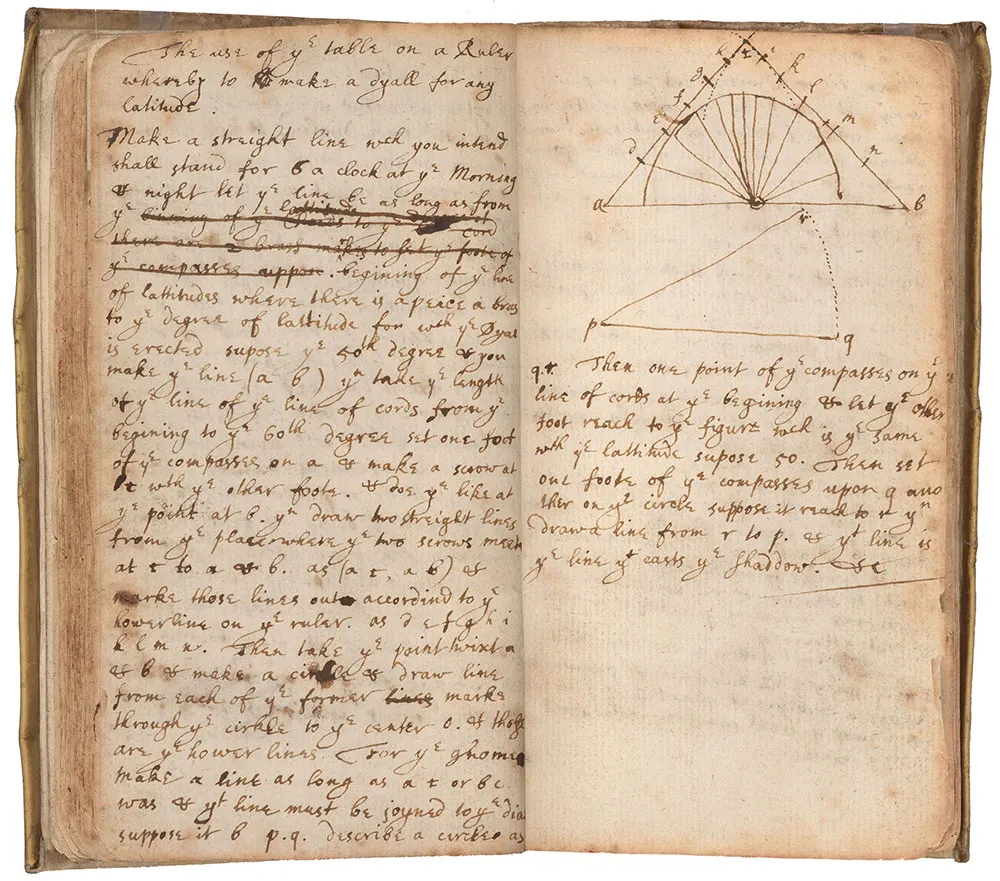
<a href="https://www.asimov.press/p/lab-notebooks">A Brief History of Lab Notebooks</a> - Asimov Press</p>

<p>“How experimental recordings have changed, from the Renaissance through today.”</p>

<p>So lovely! You know, this reminds me of something I read recently - we want to automate the process of scientific discovery using AI (e.g. see <a href="https://baincapitalventures.com/insight/we-must-know-we-will-know/">We Must Know, We Will Know</a> in #392) but we just don’t have any negative data - we know about published work that says “hey! this works” but we really don’t know about “yooo this doesn’t work”.</p>

<p>This piece about lab notebooks is cool because it sheds some “BTS” light into historical scientific discovery, and the lab notebook also serves as a semi-private/semi-public space where the negative results can be recorded.</p>

<p><img src="https://substackcdn.com/image/fetch/$s_!gELa!,w_1272,c_limit,f_webp,q_auto:good,fl_progressive:steep/https%3A%2F%2Fsubstack-post-media.s3.amazonaws.com%2Fpublic%2Fimages%2Fcefc5a4d-061b-4391-8b55-05022e5f20df_1000x881.jpeg" alt="" /></p>

<hr />

<p><strong>3</strong>
<a href="https://www.lumafield.com/first-article/posts/inside-a-contactless-credit-card">What’s Inside a Contactless Credit Card</a> - Lumafield</p>

<p>I’ve enjoyed sharing pieces from the Lumafield blog, and honestly I have to stop myself from sharing them all at once. They’re an industrial CT scan company and they do CT scans of everyday objects (the last one I shared was of plastic bottles - <a href="https://www.lumafield.com/first-article/posts/evolution-of-the-plastic-bottle">Evolution of the Plastic Bottle</a> in issue #378). This one is about contactless credit cards, which are so cool???</p>

<p>If you liked it, you might also like <a href="http://www.righto.com/2024/06/montreal-mifare-ultralight-nfc.html">Inside the tiny chip that powers Montreal subway tickets</a> (issue #341).</p>

<p><img src="https://cdn.prod.website-files.com/63e15418201b6e2a5cabb911/69e29f78125b93e770df2a8b_Credit%20card%20blog%202.png" alt="" /></p>

<hr />

<p><strong>4</strong>
<a href="https://www.thesmallbow.com/p/consider-the-sister-2b94">Consider the Sister</a> - The Small Bow</p>

<p>“Amy Wallace has spent two decades guarding the human her brother was—against a world that prefers David Foster Wallace as a puzzle.”</p>

<p>Phew. It’s always a heavy topic when you discuss DFW’s legacy, and especially when it comes from someone like his sister - who also wanted to become a writer and then didn’t.</p>

<hr />

<p><strong>5</strong>
<a href="https://www.thecut.com/2019/04/ask-polly-will-grief-destroy-my-new-marriage.html">‘Will Grief Destroy My New Marriage?’</a> - The Cut</p>

<p>I’ve loved reading “Ask Polly”, Heather Havrilesky’s advice column, see also <a href="https://www.thecut.com/2020/05/ask-polly-why-do-my-friendships-always-fade-away.html">‘Why Do My Friendships Always Fade Away?’</a> (issue #224) (<a href="https://www.thecut.com/2019/05/ask-polly-i-live-with-my-parents-and-im-miserable.html">‘I Live With My Parents and I’m Miserable!’</a> (issue #171).</p>

<p>This one is pretty heart-wrenching - the author is recently married, her brother died just after her wedding, and she’s been unable to start her marriage off on a good note because she’s afraid of tangling it up with family baggage. Polly’s response is so nice - accept that we are humans are broken in some ways but always lovable, and be honest with the ones you love because that’s how you bring them into your circle.</p>

<hr />

<p><strong>6</strong>
<a href="https://www.derekthompson.org/p/why-do-richer-dads-spend-more-time">How American Dads Became the Parents Their Fathers Never Were</a> - Derek Thompson’s Substack</p>

<p>Quite an interesting essay - “Compared to their parents, Millennial fathers have roughly tripled the amount of time they spend with kids. The new American dad is more present and more exhausted—but also, more satisfied with life.” It also reminded me of <a href="https://aeon.co/essays/how-raising-children-can-change-a-fathers-brain">The biology of dads</a> which I’d shared in issue #257. OK, not really - it didn’t remind me of that! But my cool Kable archive plugin reminded me ;)</p>

<hr />

<p><strong>7</strong>
<a href="https://www.noemamag.com/the-quest-for-clean-cargo/">A Journey By Sail In Search Of Zero-Emissions Cargo</a> - Noema</p>

<p>The return of sailships! I thought this was just a quaint thing, but no, not really - these things can actually do transatlantic voyages, and they are profitable and economically sound enterprises when the cargo is high-value - think coffee and cacao from Latin America, wine from France/Spain, Caribbean rum and such. This piece by Julian Sayarer is him recounting his experience on the <em>Tres Hombres</em>, a sailship at the vanguard of a smaller, less intensive way of oceanic shipping. It’s a lovely and optimistic account.</p>

<p><img src="https://noemamag.imgix.net/2026/02/20250712_134148-2-scaled.jpg?fm=pjpg&amp;ixlib=php-3.3.1&amp;s=f16b62fc312b6bd3f4dae1e57108b76e" alt="" /></p>

<hr />

<p><strong>8</strong>
<a href="https://archive.is/20260124012435/https://www.newyorker.com/magazine/1992/08/24/playing-docs-games-part-one">Playing Doc’s Games—I</a> - The New Yorker</p>

<p>This is possibly <em>the</em> best thing I’ve read all year. It took me a while - an hour+, but I was engrossed. William Finnegan is a staff writer at the New Yorker, and this one is a profile-of-sorts of Mark Renneker, aka “Doc”. Doc is a family-practice physician but much better known as a patron saint of surfing in the San Fransisco area, and he had an outsized influence on pretty much everyone in his orbit. Phew - he’s a crazy surfer, and Finnegan is a surfer too, so that’s pretty much all this piece is about. I felt sad at the end because it was done.. but it turns out this was just part 1?!</p>

<p><em>But this metaphor is about mood and memory, not about the waves themselves, which dance to an infinitely more complex tune. To someone sitting in the lineup trying to decipher the structure of a swell, the problem can, in fact, present itself musically. Are these waves approaching in 13/16 time, perhaps, with seven sets an hour, and the third wave of every second set swinging wide in a sort of minor-chord crescendo? Or is this swell one of God’s jazz solos, whose structure is beyond our understanding? When the surf is very big, or in some other way humbling, such questions tend to fall away. The heightened sense of a vast, unknowable design silences the effort to understand. You feel honored simply to be out there. I’ve been reduced on certain magnificent days to just drifting on the shoulder, gawking at the transformation of ordinary seawater into muscled swell, into feathering urgency, into pure energy—impossibly sculpted, ecstatically edged—and, finally, into violent foam.</em></p>

<hr />

<p><strong>9</strong>
<a href="https://archive.is/hbHB9">Pearls Before Breakfast: Can one of the nation’s great musicians cut through the fog of a D.C. rush hour? Let’s find out.</a> - The Washington Post</p>

<p>I remember reading about this when I was in school, possibly in one of the self-help-y books I read at that time. Joshua Bell, <em>the</em> violinist of our generation, busked at one of the most busy public transit stations of Washington D.C., and had a tiny audience, and about $30 for 40 minutes of playing. What a cool sociological experiment - he’s the same guy for whom people will pay $100+ for a ticket, but won’t stop and listen when it’s anonymous and for free.</p>

<hr />

<p><strong>10</strong>
<a href="https://ordinaryplots.substack.com/p/ellen-bass-wildlife">Ellen Bass’ “Wildlife”</a> - Ordinary Plots</p>

<p>Devin Kelly’s newsletter, Ordinary Plots, is all kinds of lovely. He takes a poem each week and talks about how it moved him, and why it spoke to him in that particular time of life. I’m a fan of Ellen Bass (my favourite is probably “The Thing Is”), and I jumped to it when Kelly wrote about a more recent poem of hers. It’s very enjoyable and hopeful.</p>

<hr />]]></content>


      <author>
        <name>Vishal Katariya</name>
        
        
          <uri>https://vishalkatariya.com/</uri>
        
      </author>


          <category term="katskable" />


        <summary type="html"><![CDATA[Kat's Kable #397]]></summary>


        <media:thumbnail xmlns:media="http://search.yahoo.com/mrss/" url="https://vishalkatariya.com/assets/images/social-card-v2.png" />
        <media:content medium="image" url="https://vishalkatariya.com/assets/images/social-card-v2.png" xmlns:media="http://search.yahoo.com/mrss/" />
      
    </entry>
  
    <entry>
      
      <title type="html">Kat’s Kable #396</title>
      <link href="https://vishalkatariya.com/katskable/396" rel="alternate" type="text/html" title="Kat’s Kable #396" />
      <published>2026-07-05T00:00:00+05:30</published>
      <updated>2026-07-05T00:00:00+05:30</updated>
      <id>https://vishalkatariya.com/katskable/396</id>


        <content type="html" xml:base="https://vishalkatariya.com/katskable/396"><![CDATA[<p>Hello there, and welcome to another issue of your favourite newsletter, Kat’s Kable. As always, ten great things to read. I’m just back from my amazing trip to the US, and I enjoyed it immensely. I’m sufficiently de-jetlagged to be writing this at ~5pm on a Sunday - thank you melatonin! I spent a lot of time writing this issue as compared to usual issues - partly the jetlag, but also I feel I gave things a lot more thought and did a lot less multi-tasking. I hope it comes across in my commentary!</p>

<p>What I’m most excited about is that Kat’s Kable will turn ten years old in 10 days! What an incredible thing to think about, honestly. I think I may just embrace a bit of navel-gazing and write a “ten things I learnt from ten years of the Kable” piece to commemorate the tenth anniversary. Or is it a birthday?</p>

<p>Anyhow, that’s enough from me - enjoy this week’s reads and have a good week ahead.</p>

<hr />

<p><strong>1</strong>
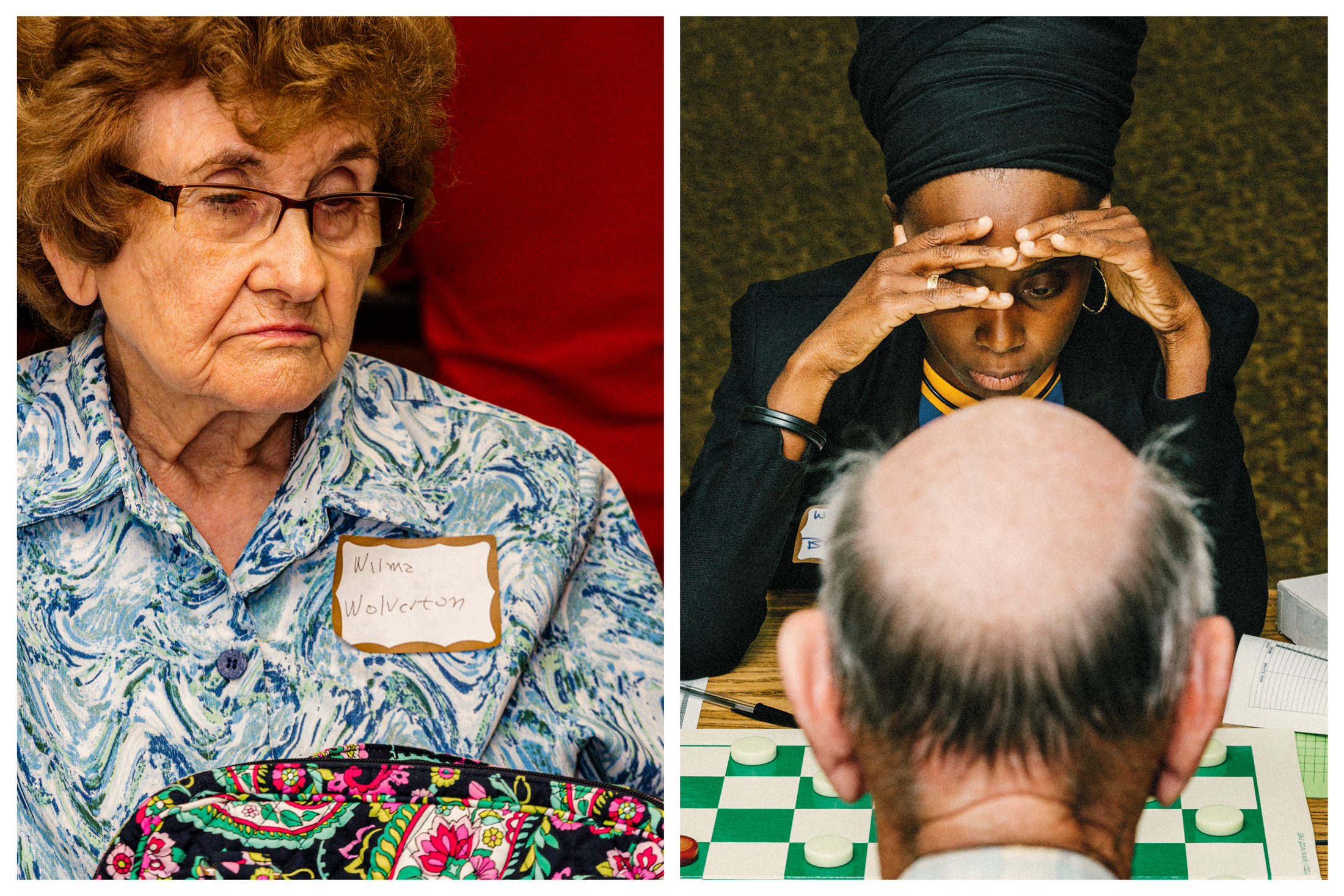
<a href="https://victoryjournal.substack.com/p/double-jump">Double Jump</a> - Victory Journal</p>

<p>Victory Journal continues to be awesome. I didn’t know that checkers was played with so much aplomb. It is, in a sense predictably, in decline - but there is a group of die-hard players who congregate and play. The money isn’t huge, but the community is quite passionate. I learnt in this piece that there are multiple types of checkers you can play - and the “three-move” style is used often in tournaments and referred to as the purest form of the game, because it forces somewhat strange opening combinations and takes away the strategy of simply memorizing game combinations.</p>

<p><img src="https://substack-post-media.s3.amazonaws.com/public/images/5bcf8632-bca2-428d-9c9b-3cc728e758fe_2200x1467.jpeg" alt="" /></p>

<hr />

<p><strong>2</strong>
<a href="https://review.firstround.com/reluctantly-influential-inside-lenny-rachitskys-demandingly-chill-life/">Reluctantly Influential: Inside Lenny Rachitsky’s Demandingly Chill Life</a> - Review</p>

<p>This somewhat reminds me of the piece I shared about Dwarkesh’s podcast (<a href="https://www.dwarkesh.com/p/progress-update">Dwarkesh Podcast Progress Update</a>) some time ago - but this one is different in the sense that it’s an interview + profile of the podcast host, Lenny Rachitsky. I again have this strange feeling sharing this piece because I’ve actually never watched a single episode of his podcast! But I loved the profile - especially the way it ties in the almost magically serendipitous steps that have gotten him from his startup to Airbnb to his podcast universe. So cool! Also the pictures of his home are just.. so cozy.</p>

<hr />

<p><strong>3</strong>
<a href="https://blundercheck.timberschroff.com/p/systems-thinking-is-brain-rot-for?ref=thebrowser.com">Systems Thinking is Brain Rot for Analysts</a> - Blundercheck</p>

<p>I really, <em>really</em> enjoyed this. The premise of the piece is that the concept of “systems thinking” is a tempting thing to use for all problems across all types of fields or sectors, but that’s misguided. The thing I really loved, though, and which spoke to me the most was the concept of “analogical range”. Timber Stinson-Schroff talks about the analogical range being your biggest asset as an analyst, which is definitely true for my current role in a venture capital fund. And if you want this range to be wide, you need to stop flattening every single problem or scenario into your flat map.</p>

<hr />

<p><strong>4</strong>
<a href="https://www.sherryning.com/p/get-inside-your-life">Get inside your life</a> - Sherry Ning’s Substack</p>

<p>This piece’s subtitle is “Do not be a spectator or a commentator on your life; instead immerse yourself fully in it.”, which obviously immediately caught my eye.</p>

<p><em>Amidst the pressure to record everything, I feel like the entire world has become a pretty dinner setup, and we’re all standing by, hungry yet afraid to dig in because we all think that documenting and sharing our memory of that moment matters more than getting inside our bodies and enjoying that moment from first-person-perspective in real-time.</em></p>

<hr />

<p><strong>5</strong>
<a href="https://www.scopeofwork.net/the-sofa/">The Sofa</a> - Scope of Work</p>

<p>I’d previously shared <a href="https://www.scopeofwork.net/on-factory-tours/">On Factory Tours</a> by Spencer Wright of Scope of Work, and I spoke highly of it. This one, where he talks about restoring an old sofa, is similarly compelling. It almost feels like a task that needn’t be done - Wright did buy a beat-up sofa that needed a lot of work, but somewhat like me, I feel anything that’s a project has a much larger appeal to him. I’m glad he did take this up, though, because the overall account of him doing this in his New York apartment with his kids in tow is a delight!</p>

<hr />

<p><strong>6</strong>
<a href="https://ambrook.com/offrange/crops/momma-I-want-to-be-a-plant-breeder">Plant Breeding Isn’t Easy</a> - Ambrook Research/Offrange</p>

<p>Well, of course plant breeding isn’t easy, but how hard is it? Very! It’s also quite open-ended and random, but that’s just the nature of it. When I was in the US for grad school and had my own garden, I marveled at all the types of seeds you could order (what do you mean you could get a <em>habanada</em>, a habanero with no spice?). This piece talks about that, and even features farms whose seeds I’ve used (like Wild Boar Farms) - so obviously I was very happy reading it.</p>

<p><img src="https://cdn.sanity.io/images/h6kk644c/production/9d44bd8dd38758018a3f1d7f0f981ba98322e4ed-2000x1050.jpg?w=1104&amp;q=75&amp;fit=clip&amp;auto=format" alt="" /></p>

<hr />

<p><strong>7</strong>
<a href="https://www.forbes.com/sites/christopherhelman/2026/04/02/acclaimed-physicist-and-his-daughter-are-burying-tiny-nuclear-reactors-a-mile-underground/">Acclaimed Physicist And His Daughter Are Burying Tiny Nuclear Reactors A Mile Underground</a> - Forbes</p>

<p>Richard Muller is the guy who devised the modern method of carbon dating - which is what we use to determine the age of plant and animal remains. He now is working with his daughter, Elizabeth, to prove out an elegant solution to many of nuclear energy’s risks. If you drill a borehole, fill it with water, and put a nuclear reactor at the bottom, then you basically have a source of steam to run a turbine at ground level. Given the depth of the borehole, nuclear waste is not an issue - just pour concrete down once you’re done. Sounds cool but of course it has its risks, not least being effects on the Earth’s seismic system.</p>

<hr />

<p><strong>8</strong>
<a href="https://scholars-stage.org/china-and-the-future-of-science/?ref=thebrowser.com">China and the Future of Science</a> - Scholars Stage</p>

<p>Lots of China articles of late - <a href="https://www.highcapacity.org/p/chinas-tech-long-game">China’s technology long game</a> in issue #394, <a href="https://www.breakthroughjournal.org/p/the-aluminum-tech-stack">The Aluminum Tech Stack</a> in issue #390, and more. This piece hits home a bit more for me, given that it’s about fundamental science research. China has moved from its primary goal being “we must make China rich” to “we must lead humanity through the next round of techno scientific revolution and industrial transformation”. Thus, the push to be world-leading on the globally relevant technologies today. Honestly a sobering read.</p>

<hr />

<p><strong>9</strong>
<a href="https://www.hollywoodreporter.com/business/digital/india-ai-filmmaking-1236548136/">The AI Revolution Hollywood Feared Is Already Happening</a> - Hollywood Reporter</p>

<p>“With no unions to slow the collision and scant regulation to cushion the aftermath, India has become the world’s most consequential live experiment in AI filmmaking — and the results may preview the future of cinema everywhere.”</p>

<p>Phew. I vividly remember reading this on an intercontinental flight a few weeks ago. The fact that I can remember this as standing out on a 16 hour flight means only one thing - it’s compelling and you should read it too!</p>

<p><em>As of now, India is becoming something nearly unprecedented in the history of the moving image: a vast, live experiment in what happens when one of the world’s most prolific film industries deploys the most disruptive technology since the advent of television, or the transition from celluloid to digital — with no unions to slow the collision and scant regulation to help with the aftermath. The results, for better and worse, might offer the rest of the global entertainment industry a preview of its own future: what is gained and what is lost when an art form built on human creativity and collaborative craft is supplanted by the output of machines.</em></p>

<hr />

<p><strong>10</strong>
<a href="https://nanransohoff.substack.com/p/the-third-wave-of-american-philanthropy">The third wave of American philanthropy</a> - Nan Ranshohoff’s Substack</p>

<p>This is actually really cool. If you combine just three things - the OpenAI Foundation, the Anthropic founders, and Anthropic employees, there will be soon about $40-100 billion dollars in philanthropic capital to give away each year. This is a large number, and it will require a new type of philanthropic capital allocation. Nan goes into this, and does a great job of the “what exists, what needs to exist, and what needs to be expanded dramatically” arguments, but I can’t help but also comment that this seems to be an… optimistic view of things? That all this capital will be used for good and useful things that help us cope meaningfully with our AI future? I don’t know honestly.</p>

<hr />]]></content>


      <author>
        <name>Vishal Katariya</name>
        
        
          <uri>https://vishalkatariya.com/</uri>
        
      </author>


          <category term="katskable" />


        <summary type="html"><![CDATA[Kat's Kable #396]]></summary>


        <media:thumbnail xmlns:media="http://search.yahoo.com/mrss/" url="https://vishalkatariya.com/assets/images/social-card-v2.png" />
        <media:content medium="image" url="https://vishalkatariya.com/assets/images/social-card-v2.png" xmlns:media="http://search.yahoo.com/mrss/" />
      
    </entry>
  
    <entry>
      
      <title type="html">Kat’s Kable #395</title>
      <link href="https://vishalkatariya.com/katskable/395" rel="alternate" type="text/html" title="Kat’s Kable #395" />
      <published>2026-06-28T00:00:00+05:30</published>
      <updated>2026-06-28T00:00:00+05:30</updated>
      <id>https://vishalkatariya.com/katskable/395</id>


        <content type="html" xml:base="https://vishalkatariya.com/katskable/395"><![CDATA[<p>Hello there, and welcome to another issue of your favourite internet newsletter - Kat’s Kable! This week we have a special issue, after what seems like forever! All the pieces this week (nine instead of the usual ten) are about food and agriculture.</p>

<p>This will also be reaching you Monday morning India time while I’m on a plane back home from my trip to the US. What a wonderful trip it’s been. As always, write back if anything (just reply to this email) and enjoy the articles!</p>

<hr />

<p><strong>1</strong>
<a href="https://www.pnas.org/doi/10.1073/pnas.2512779122">Droplet outbursts from onion cutting</a> - Research paper published in PNAS</p>

<p>Ha, so fun! This research team used high-speed cameras to study why and how exactly cutting onions results in the spray of droplets that causes us to tear up. Pungent aerosols are released at high speed whenever an onion is cut into, and that’s what causes the tearing up. Nerd out!</p>

<p><img src="https://www.pnas.org/cms/10.1073/pnas.2512779122/asset/b9cf3b37-0e87-4fbe-b102-48afb66c5851/assets/images/large/pnas.2512779122fig01.jpg" alt="" /></p>

<hr />

<p><strong>2</strong>
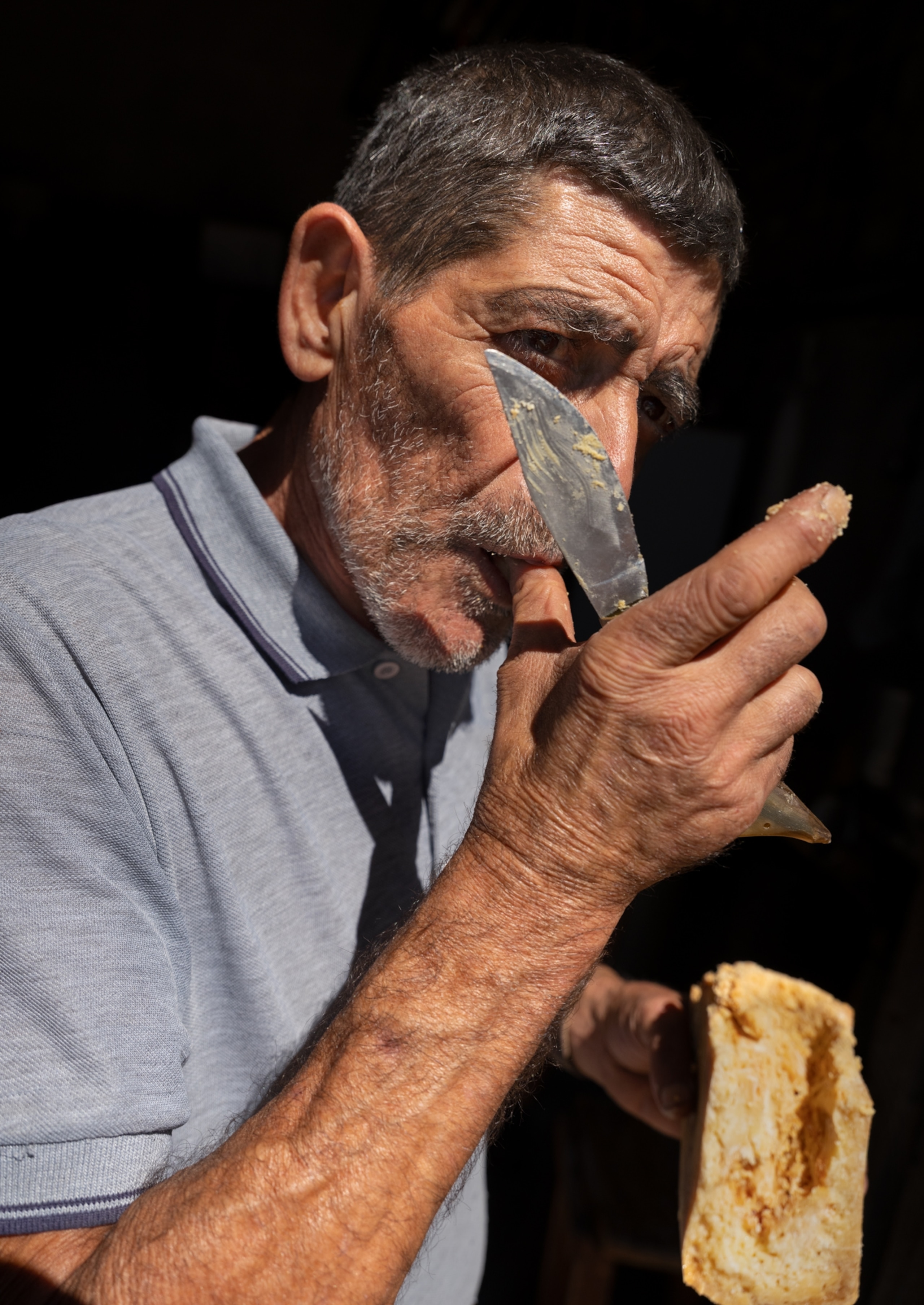
<a href="https://www.nationalgeographic.com/culture/article/maggot-cheese-casu-marzu-sardinia-italy">The strange story of casu marzu, Sardinia’s famous maggot cheese</a> - National Geographic</p>

<p>Well, this is weird. There is a cheese from Sardinia called casu marzu, which gets its unique characteristic from the growth of maggots inside the cheese as it ages and gets ready. Not an article for the faint of heart, to be honest, but it’s also quite cool to see the extent of human… creativity?</p>

<p><img src="https://i.natgeofe.com/n/8cb1a377-eaf3-4dfb-9956-11cf99e94642/MM10406_250904_00749.jpg?w=2560&amp;h=3616" alt="" /></p>

<hr />

<p><strong>3</strong>
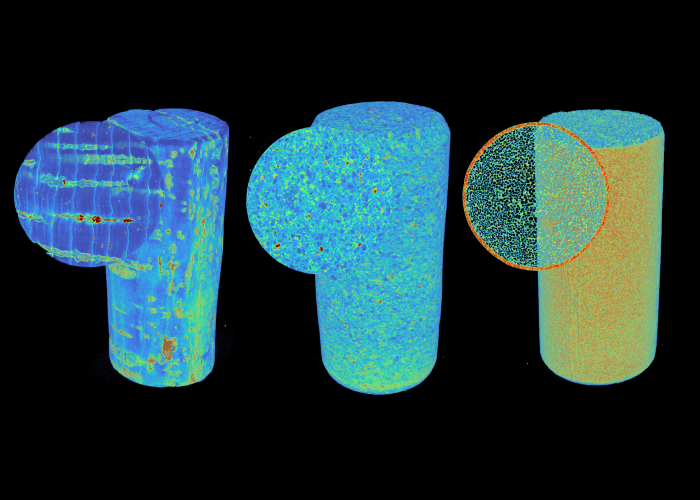
<a href="https://www.lumafield.com/first-article/posts/comparing-wine-corks-natural-technical-and-synthetic">How the Wine Industry Engineered Around Cork’s One Flaw</a> - Lumafield</p>

<p>I like sharing pieces from the Lumafield blog (also <a href="https://www.lumafield.com/first-article/posts/evolution-of-the-plastic-bottle">Evolution of the Plastic Bottle</a> (issue #378) and <a href="https://www.lumafield.com/article/real-vs-fake-apple-products-through-industrial-ct-airpods-pro-macbook-magsafe-charger">Looking inside real vs. fake AirPods with industrial CT</a> (issue #324)), and this one is no exception. A wine bottle’s cork can get contaminated when certain mould species interact with chlorine compounds in the cork, and this can change wine from fruity and complex to damp and flat. You can see very cool CT scans of corks as they’ve evolved over the ages to overcome this big problem.</p>

<p><img src="https://cdn.prod.website-files.com/63e15418201b6e2a5cabb911/689d291ce201f07a77b59762_cork%20main%20image.png" alt="" /></p>

<hr />

<p><strong>4</strong>
<a href="https://www.townandcountrymag.com/leisure/drinks/a71219491/japanese-whisky-house-of-suntory-history-facts/">The Founding Story Behind Japan’s Oldest Whisky Maker</a> - Town and Country Mag</p>

<p>The House of Suntory is a company founded over a hundred years ago that put Japanese whiskey on the global map. I enjoyed reading this piece into how this came about and especially how things changed with the world wars.</p>

<hr />

<p><strong>5</strong>
<a href="https://tastecooking.com/i-want-to-live-like-costco-people/">I Want to Live Like Costco People</a> - Taste</p>

<p>My America trip was incomplete until I got my best friend to take me to Costco! The altar of American capitalism, or at least one of them. I read this piece a few weeks before my Costco trip, though, and ha, it got a bunch of laughs out of me.</p>

<p><em>I stop at a large endcap display proffering huge tubs of cabbage kimchi next to huge tubs of sauerkraut. No matter who we are or where we’re from, at Costco, we’re more alike than we are different. There’s no such thing as the real America, but if there were, you’d find it here. And you’ll find me here, too, for I have become the Costco person I was always destined to be, preordained by geography and epigenetics, nature and nurture. Yes, I’d like a box to take my groceries to the car. I’m pretty sure all this stuff will fit.</em></p>

<hr />

<p><strong>6</strong>
<a href="https://atmos.earth/climate-solutions/one-solution-for-invasive-species-put-them-on-the-menu/">One Solution for Invasive Species? Put Them on the Menu.</a> - Atmos</p>

<p>I’d shared <a href="https://emergencemagazine.org/essay/here-come-the-lionfish/">Here Come the Lionfish</a> in issue #357, and honestly this Atmos piece broke my heart a bit because of the previous one. Marine “invader” species are being put on menus and plates in many restaurants, and while I understand the rationale behind that, my view is that we view invasiveness and colonization as a black-and-white thing. Anyhow, this piece is still cool - another example of human… creativity?</p>

<p><img src="https://atmos.earth/wp-content/uploads/2026/05/atmoslionfish-2-1280x1024.jpg?quality=100&amp;auto=webp" alt="" /></p>

<hr />

<p><strong>7</strong>
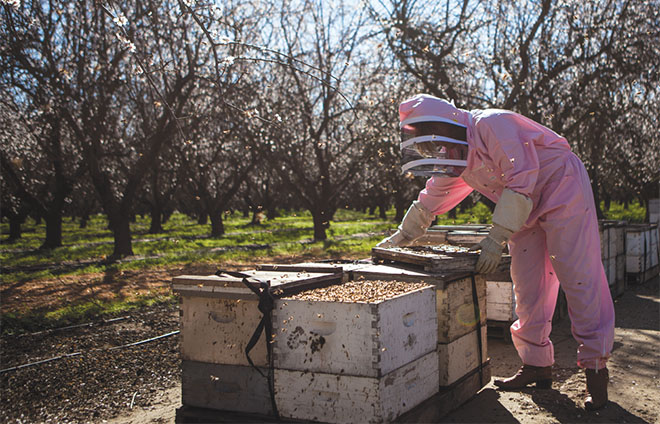
<a href="https://psmag.com/social-justice/save-the-honeybee-sterilize-the-earth-pollination-industrial-complex-95566/">Save the Honeybee, Sterilize the Earth</a> - Pacific Standard</p>

<p>“A decade ago, people started panicking about the collapse of the honeybee population and the crash of our food supply. But today there are more honeybees than there were then. We have engineered our way to a frenzied and precarious new normal.”</p>

<p>Woof. There is a <em>lot</em> we have done to honeybees, some good, some not. Honeybees are still struggling to cope with some of the existential risks facing them, like colony collapse disorder, but because we rely on them so much for industrial agriculture, we’ve found a way to keep them powering on for us.</p>

<p><em>Most beekeepers I spoke with would prefer the latter but can see agriculture trending toward the former. That means a fundamental change in their lives. “We’re not beekeepers anymore, we’re bee doctors,” says one Florida man who pollinates crops in 14 states. “We’re paid to keep making beehives. They pay us to patch ’em up, send ’em out, patch ’em up, send ’em out.” As stressful and costly as the new methods are, they’re a large part of the reason the apocalyptic predictions of 2007 never came to pass. Beekeepers haven’t figured out how to stop the losses, but they’ve found a way to outrun them, for now, by multiplying their hives faster than they can die off.</em></p>

<p><img src="https://psmag.com/wp-content/uploads/2024/07/bees-5.jpg" alt="" /></p>

<hr />

<p><strong>8</strong>
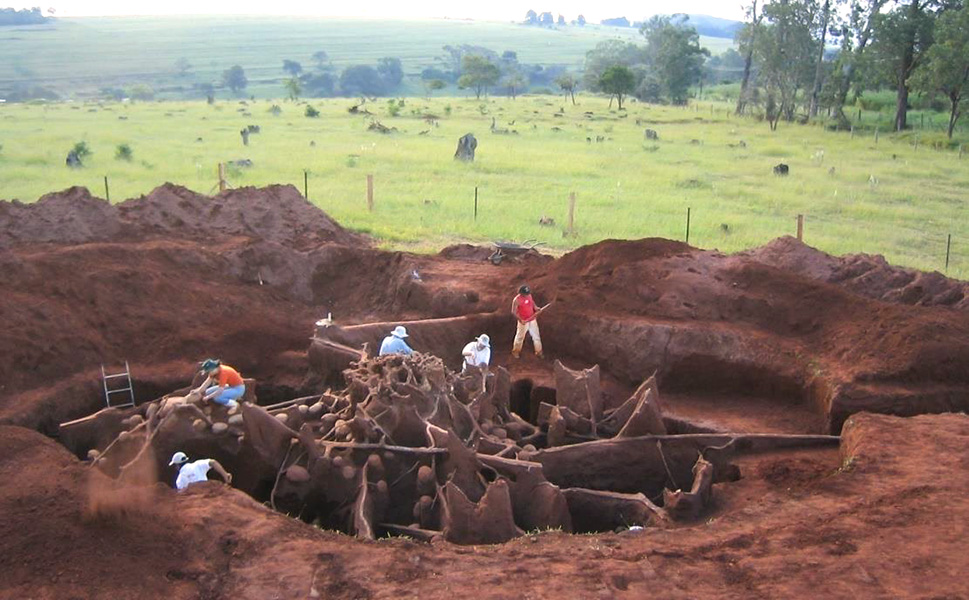
<a href="https://knowablemagazine.org/content/article/living-world/2026/crazy-nests-leaf-cutter-ants-build">The crazy nests built by leaf-cutter ants</a> - Knowable Magazine</p>

<p>Leaf-cutter ants are amazing! They make absolutely crazy nests. This piece nerds out significantly about the way they do it, the way they organize themselves, and a bunch more cool facts.</p>

<p><img src="https://knowablemagazine.org/docserver/fulltext/p-atta-laevigata-nest-cast.jpg" alt="" /></p>

<hr />

<p><strong>9</strong>
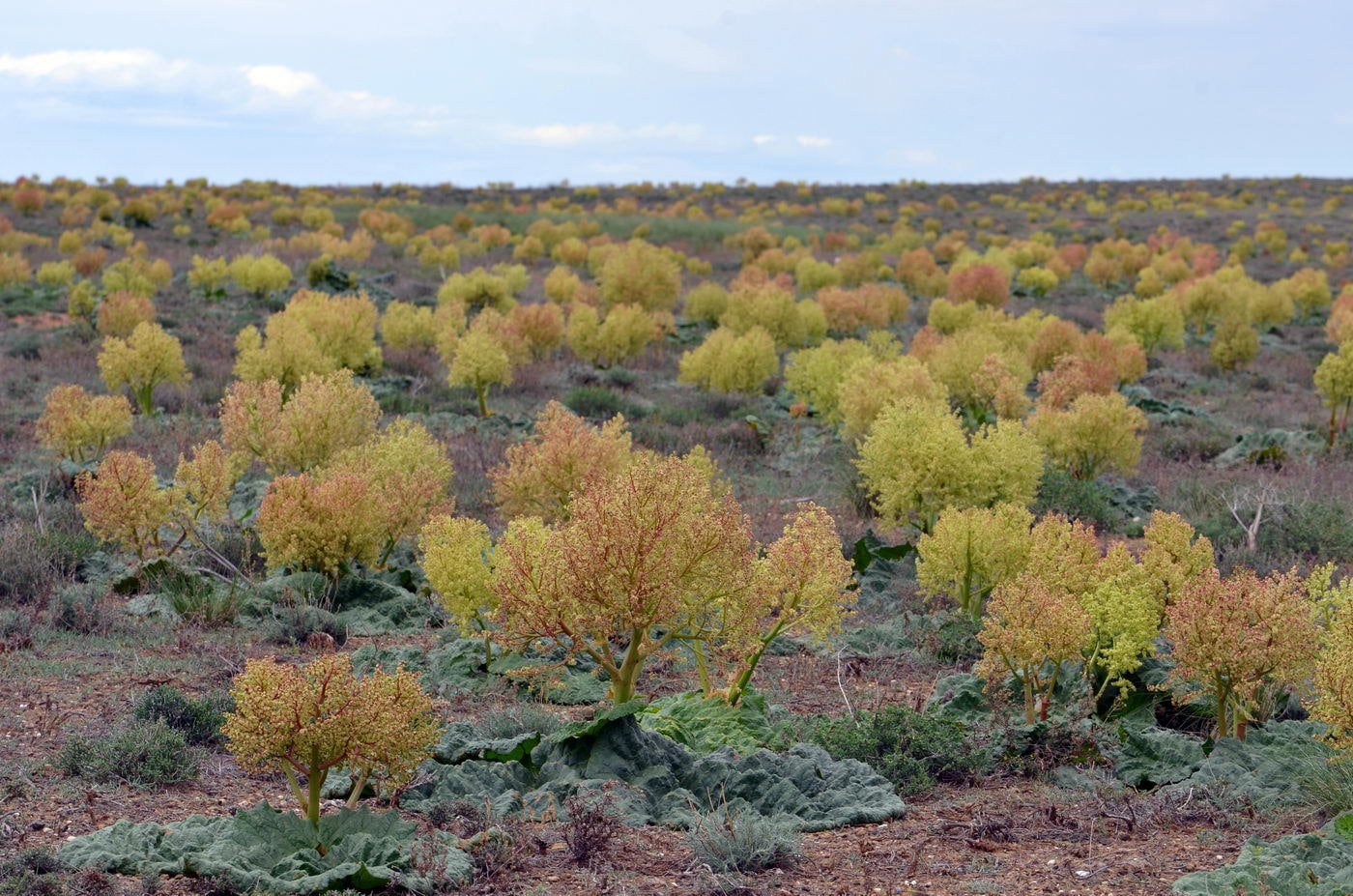
<a href="https://placesjournal.org/article/rheum-rhabarbarum-social-history-of-rhubarb/">Rheum rhabarbarum: A Social History of Rhubarb</a> - Places Journal</p>

<p>“Lost among tangles of rhubarb, consumed by roots, thinking about how a precious, “uncivilized” drug made its way from ancient China to a backyard garden in Cedar Rapids, Iowa.”</p>

<p>What a fun piece combining the personal and historical. I really enjoyed it.</p>

<p><img src="https://placesjournal.org/wp-content/uploads/2026/05/schuettpelz-15-rhubarb.jpg" alt="" /></p>

<hr />]]></content>


      <author>
        <name>Vishal Katariya</name>
        
        
          <uri>https://vishalkatariya.com/</uri>
        
      </author>


          <category term="katskable" />


        <summary type="html"><![CDATA[Kat's Kable #395]]></summary>


        <media:thumbnail xmlns:media="http://search.yahoo.com/mrss/" url="https://vishalkatariya.com/assets/images/social-card-v2.png" />
        <media:content medium="image" url="https://vishalkatariya.com/assets/images/social-card-v2.png" xmlns:media="http://search.yahoo.com/mrss/" />
      
    </entry>
  
    <entry>
      
      <title type="html">Kat’s Kable #394</title>
      <link href="https://vishalkatariya.com/katskable/394" rel="alternate" type="text/html" title="Kat’s Kable #394" />
      <published>2026-06-21T00:00:00+05:30</published>
      <updated>2026-06-21T00:00:00+05:30</updated>
      <id>https://vishalkatariya.com/katskable/394</id>


        <content type="html" xml:base="https://vishalkatariya.com/katskable/394"><![CDATA[<p>Hello there, reader, and welcome to another issue of your favourite newsletter - Kat’s Kable. I’m just wrapping up my 10-day long vacation in the US, and it’s been all kinds of amazing! After my almost 5 year stint earlier, I’m reminded of the things I missed - the beauty and abundance of this country, the diversity, the focus on technology, and I’m also reminded of the things I don’t particularly like - the car dependence, the deprioritization of community, and the focus on materiality. It’s been wonderful, though, and I’ll be sad to leave.</p>

<p>As always, though, ten great things to read. I’ll leave you to it.</p>

<hr />

<p><strong>1</strong>
<a href="https://om.co/2026/01/21/velocity-is-the-new-authority-heres-why/">Velocity Is the New Authority. Here’s Why</a> - Om Malik</p>

<p>Interesting premise and I found myself nodding quite a lot while reading this piece. Good food for thought:</p>

<p><em>Authority used to be the organizing principle of information, and thus the media. You earned attention by being right, by being first in discovery, or by being big enough to be the default. That world is gone. The new and current organizing principle of information is velocity.</em></p>

<p><em>What matters now is how fast something moves through the network: how quickly it is clicked, shared, quoted, replied to, remixed, and replaced. In a system tuned for speed, authority is ornamental. The network rewards motion first and judgment later, if ever. Perhaps that’s why you feel you can’t discern between truths, half-truths, and lies.</em></p>

<hr />

<p><strong>2</strong>
<a href="https://web.archive.org/web/20141024092140/https://www.newyorker.com/magazine/2011/02/14/the-information">The Information</a> - The New Yorker</p>

<p>Interesting complementary essay to the previous one - this is in fact from 2011, and Alan Gopnik writes about the new information age that we were entering then. It honestly feels like we’re entering a new information age every five years?</p>

<hr />

<p><strong>3</strong>
<a href="https://www.theatlantic.com/health/2026/05/monotasking-inside-the-box-excerpt-david-epstein/687015/">The Secret to Success Is ‘Monotasking’</a> - The Atlantic</p>

<p>David Epstein is well known for his books, in particular <em>Range</em> which was published in 2019 and talks about the strengths of generalists in an era of increasing professional specialization. This particular piece is an excerpt from his upcoming book <em>Inside the Box: How Constraints Make Us Better</em>, which talks about constraints like deadlines and how those actually improve our productivity and ability to work on challenging projects.</p>

<hr />

<p><strong>4</strong>
<a href="https://blundercheck.timberschroff.com/p/mentabolism">Mentabolism</a> - Blundercheck</p>

<p>I really loved this essay. Timber Stinson-Schroff coins a new term called “mentabolism” - how we transform information into sustained performance. The idea is that we need a way to think about performance in the knowledge economy, and how to think about overall output across a career and not just raw intellectual ability. His theory is that you need to be an endurance athlete - you don’t need to blow it out of the park, but you need to have staying power and allow low-level stressors to build up your capacity over time. Quite cool and honestly a way of thinking that I’ll be using for my own career.</p>

<hr />

<p><strong>5</strong>
<a href="https://www.quantamagazine.org/what-causes-lightning-the-answer-keeps-getting-more-interesting-20260506/">What Causes Lightning? The Answer Keeps Getting More Interesting.</a> - Quanta Magazine</p>

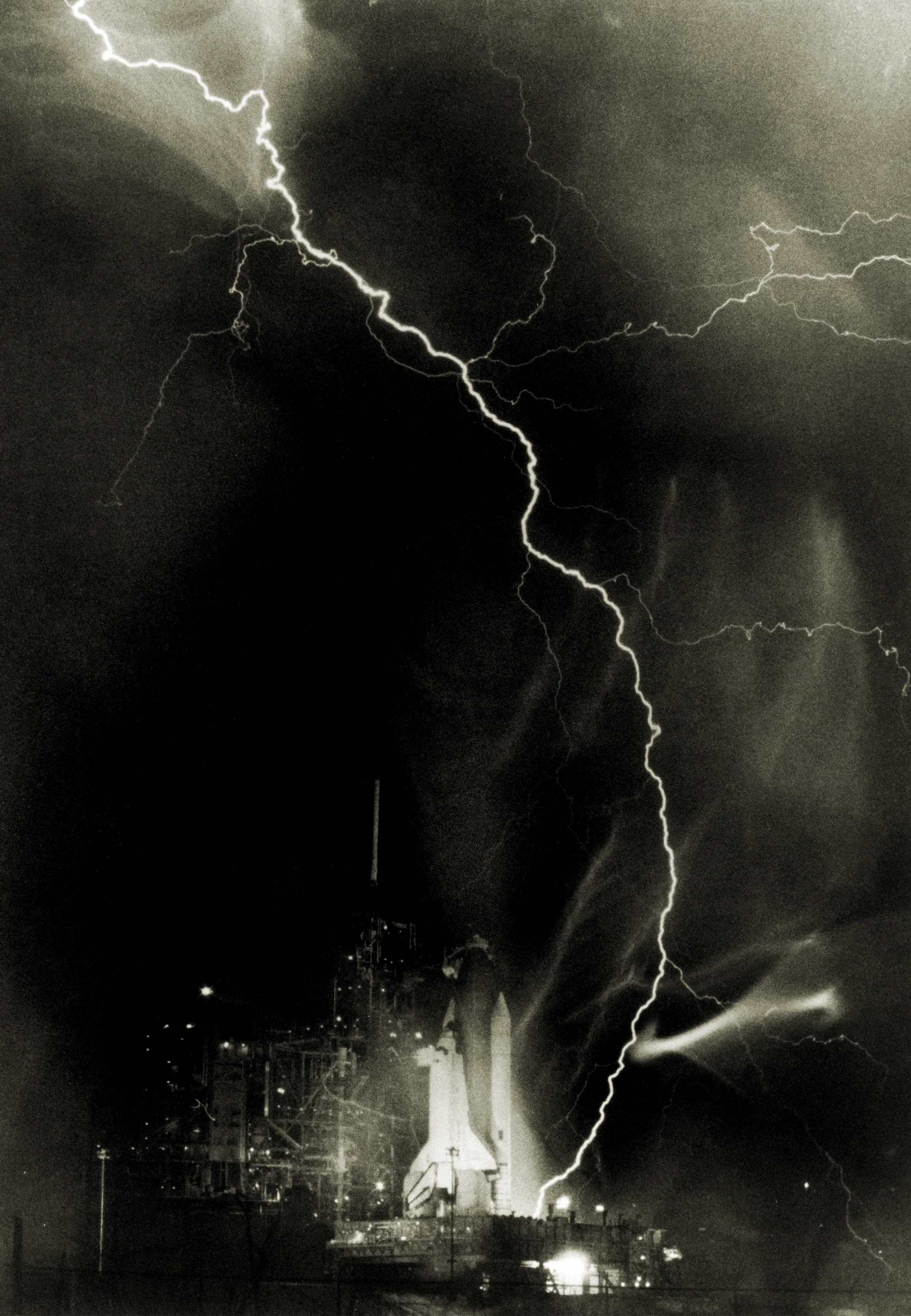
<p>Whoa - I didn’t know how complicated lightning is, and how incomplete our knowledge of it is, too. I used to think it was simple - there’s enough charge in the air to cause a high electric field and breakdown of the atmosphere, and boom, lightning. But it’s not so simple! The high electric field can be caused by all sorts of esoteric causes - cosmic ray showers, gamma ray bursts arising from sharp ice clouds? Wow?</p>

<p><img src="https://www.quantamagazine.org/wp-content/uploads/2026/05/Launch-Pad-Lightning-cr-NASA-1993x2880.webp" alt="" /></p>

<hr />

<p><strong>6</strong>
<a href="https://magazine.atavist.com/2011/island-of-secrets">Island of Secrets</a> - The Atavist</p>

<p>I’ve been on a kick of reading the backissues of Atavist (lots recently!). I last shared <a href="https://magazine.atavist.com/2024/the-extra-mile-ultramarathon-vol-state-barcelonas-lazarus-lake">The Extra Mile</a> (issue #385) and <a href="https://magazine.atavist.com/2024/watch-it-burn-france-europe-carbon-fraud-scam-vat-betrayal">Watch It Burn</a> (issue #383). This 2011 piece is about John Lane, an American geologist, who mounted ambitious cave expeditions in Borneo and then got pulled into the massive sidequest of proving the existence of an animal called the tree kangaroo.</p>

<p><img src="https://magazine.atavist.com/wp-content/uploads/2011/10/oldkangals1-1395023645-84-5.jpg" alt="" /></p>

<hr />

<p><strong>7</strong>
<a href="https://www.highcapacity.org/p/chinas-tech-long-game">China’s technology long game</a> - High Capacity (Kyle Chan’s Substack)</p>

<p>“What reading through China’s Five-Year Plans reveals about its evolving tech strategy–and its plans for the industries of the future.”</p>

<p>Pretty interesting read about China’s overall technology plans - I would pair this with <a href="https://www.breakthroughjournal.org/p/the-aluminum-tech-stack">The Aluminum Tech Stack</a> (issue #390).</p>

<hr />

<p><strong>8</strong>
<a href="https://www.nytimes.com/2026/04/30/opinion/ai-labor-work-force-silicon-valley.html">Silicon Valley Is Bracing for a Permanent Underclass</a> - The New York Times</p>

<p>Interesting letter to the editor in the NYT (which you might have trouble accessing, sorry!) about the “permanent underclass” - the increasing inequality that AI will bring and accelerate, but also the strange sense of solidarity between white-collar and blue-collar workers (who are both anxious about the rising inequality and escaping the underclass). Honestly a bit surreal.</p>

<hr />

<p><strong>9</strong>
<a href="https://victoryjournal.substack.com/p/never-die">Never Die</a> - Victory Journal</p>

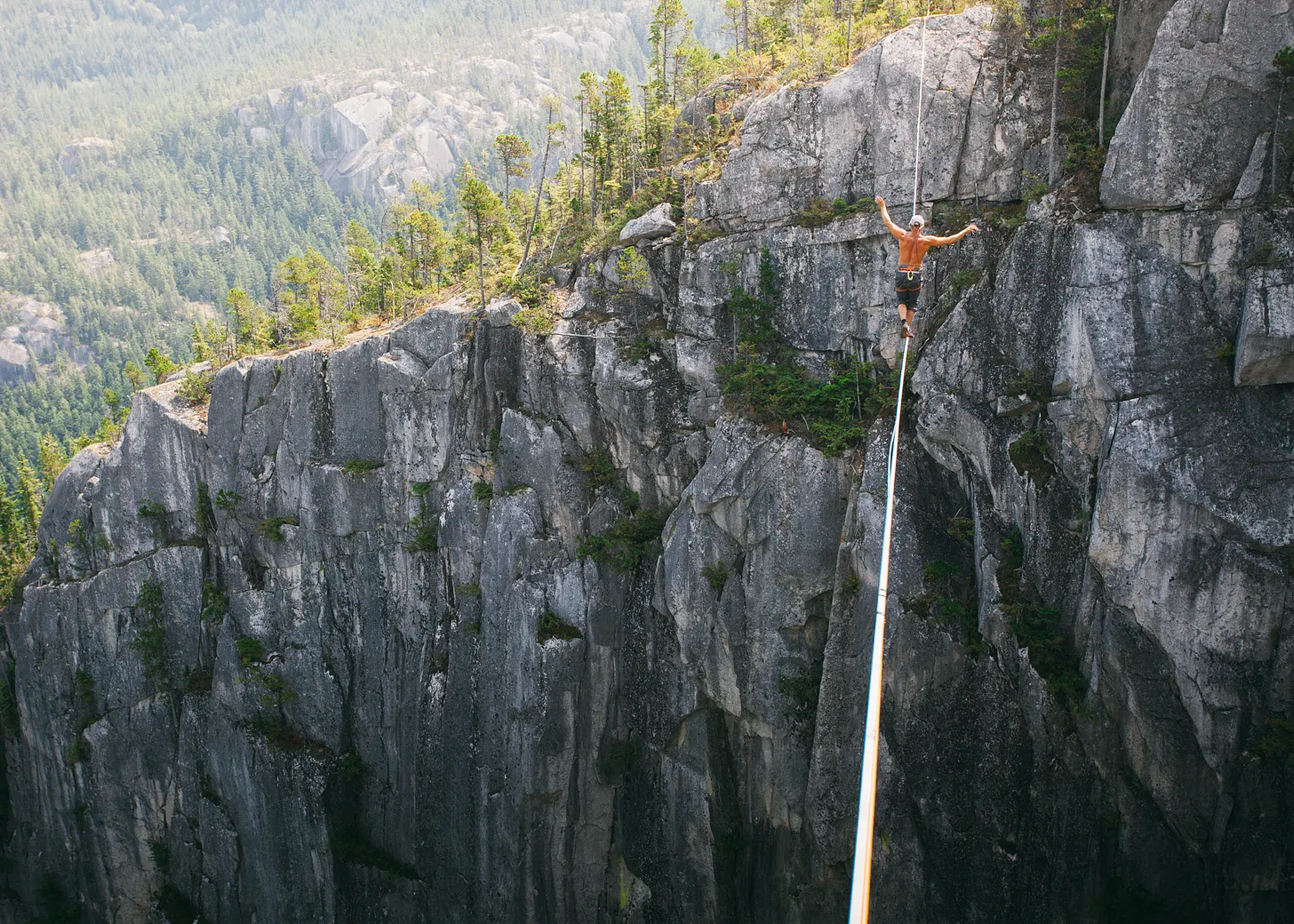
<p>So good! Victory Journal is a sports publication and I’ve shared <a href="https://victoryjournal.substack.com/p/3100">3100</a> in issue #355, which is about the world’s longest foot race around a single city block in NYC. This piece is about one person -   Spencer Seabrooke, who is a slackliner. Slacklining is terrifying to me - it’s about crossing a chasm while on a slack piece of thread connecting the start and finish points. It’s a great piece - about him, the difficulty of his task, and how others rally around him.</p>

<p><img src="https://substackcdn.com/image/fetch/$s_!D_lw!,w_1456,c_limit,f_webp,q_auto:good,fl_progressive:steep/https%3A%2F%2Fsubstack-post-media.s3.amazonaws.com%2Fpublic%2Fimages%2F588888fe-02a7-46df-97d7-a75d4b75e912_2000x1429.jpeg" alt="" /></p>

<hr />

<p><strong>10</strong>
<a href="https://www.derekthompson.org/p/three-reasons-to-be-a-parent">On Being a Dad</a> - Derek Thompson’s website</p>

<p>Such a touching and thoughtful piece on the process of becoming a dad and the way it adds richness to life.</p>

<hr />]]></content>


      <author>
        <name>Vishal Katariya</name>
        
        
          <uri>https://vishalkatariya.com/</uri>
        
      </author>


          <category term="katskable" />


        <summary type="html"><![CDATA[Kat's Kable #394]]></summary>


        <media:thumbnail xmlns:media="http://search.yahoo.com/mrss/" url="https://vishalkatariya.com/assets/images/social-card-v2.png" />
        <media:content medium="image" url="https://vishalkatariya.com/assets/images/social-card-v2.png" xmlns:media="http://search.yahoo.com/mrss/" />
      
    </entry>
  
    <entry>
      
      <title type="html">Kat’s Kable #393</title>
      <link href="https://vishalkatariya.com/katskable/393" rel="alternate" type="text/html" title="Kat’s Kable #393" />
      <published>2026-06-14T00:00:00+05:30</published>
      <updated>2026-06-14T00:00:00+05:30</updated>
      <id>https://vishalkatariya.com/katskable/393</id>


        <content type="html" xml:base="https://vishalkatariya.com/katskable/393"><![CDATA[<p>Hello there, reader, and welcome to another issue of Kat’s Kable, your favourite internet newsletter! As always, there are ten great things to read here. This newsletter is reaching you Monday morning India time because I’m back in a different time zone - the one I did my PhD in! I’m writing this Sunday evening and having a fun weekend reminiscing old memories.  Of course, I couldn’t miss the Kable, so here we are.</p>

<p><strong>1</strong>
<a href="https://www.are.na/editorial/notes-on-taste">Notes on “Taste”</a> - Are.na</p>

<p>2022 piece by Brie Wolfson on the concept of taste - it means <em>something</em>, right? But what exactly does it mean? Is it something tangible that can we can closely define? Is it a binary property, or does it exist on a spectrum? Wolfson goes into a bunch of these questions and comes back out with a 23 point list on how to think about taste. I imagine I’ll keep going back to this every once in a while.</p>

<hr />

<p><strong>2</strong>
<a href="https://www.worksinprogress.news/p/how-disposable-diapers-conquered">The smelly baby problem</a> - Works in Progress</p>

<p>Wow! I’ve been on a bit of a roll with recent pieces from Works in Progress - the last one I shared was <a href="https://worksinprogress.co/issue/why-japan-has-such-good-railways/">Why Japan has such good railways</a> in issue #391. This deep dive into the development of disposable diapers (yup!) was oddly… inspiring? There’s <em>so</em> much engineering that’s gone into them, it’s not even funny.</p>

<hr />

<p><strong>3</strong>
<a href="https://longwoodgardens.org/blog/2023-05-17/beauty-bonsai-styles">The Beauty of Bonsai Styles</a> - Longwood Gardens</p>

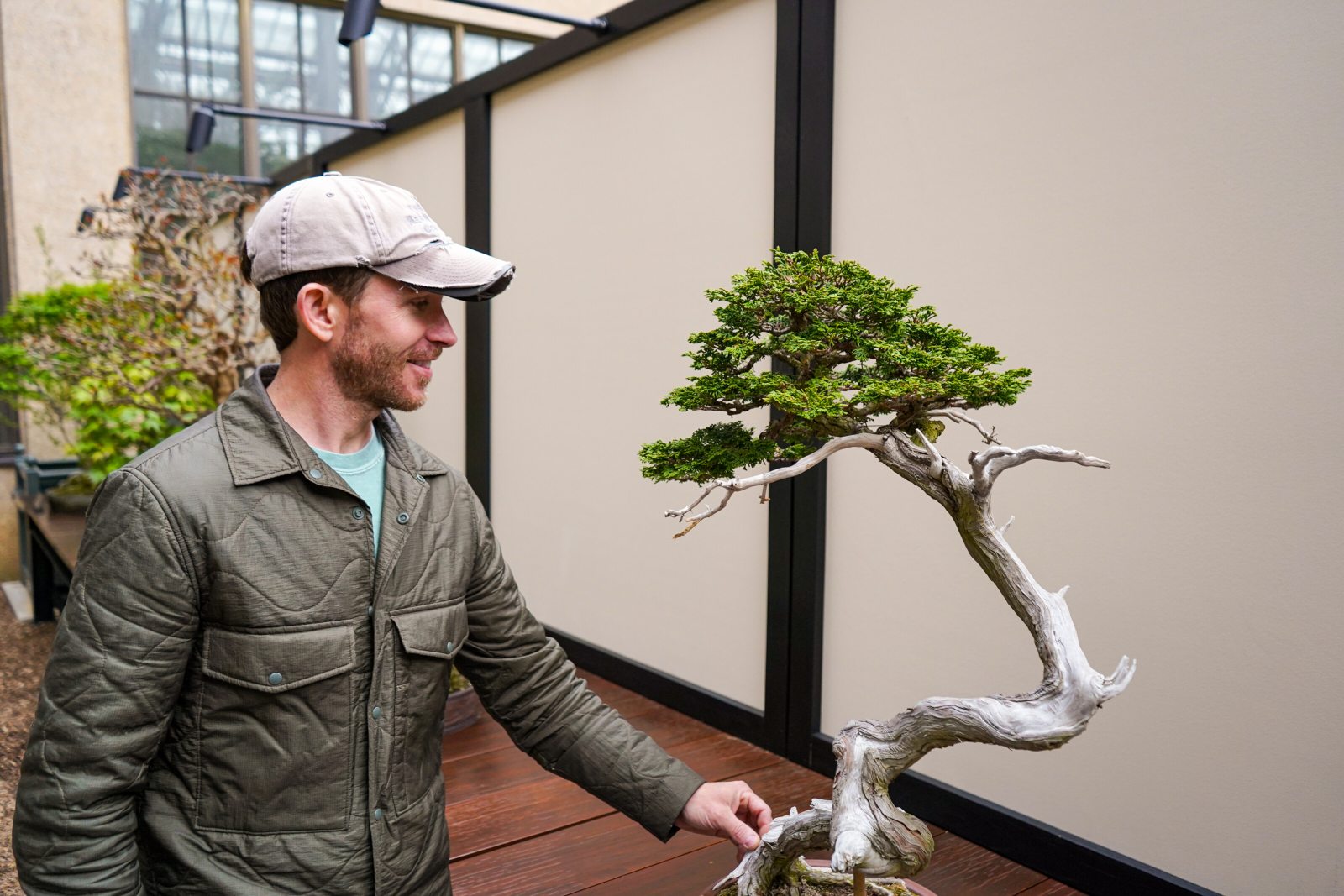
<p>Not a longform piece by any means, but such a fun exploration of the different styles of Bonsai. My two favourites: literati and slant (pictures below).</p>

<p><img src="https://longwoodgardens.org/sites/default/files/styles/scale__w__max/public/2023-05/639648_Bonsai%20Forms_Gross_%20Carol.jpg?itok=UTznfOIr" alt="" /></p>

<p><img src="https://longwoodgardens.org/sites/default/files/styles/scale__w__max/public/2023-05/639650_Bonsai%20Forms_Gross_%20Carol.jpg?itok=ObTEzLmo" alt="" /></p>

<hr />

<p><strong>4</strong>
<a href="https://emergencemagazine.org/essay/wildflower-beauty-and-the-search-for-home/">Wildflower Beauty and the Search for Home</a> - Emergence Magazine</p>

<p>Nice complement to the previous one - “Biologist David George Haskell turns to the deep-time evolutions and tangled histories of wildflowers that grow around his home in Atlanta, Georgia, to learn how we might find a deeper sense of belonging in the places we live.”</p>

<p>I’m a big fan of Haskell’s writing - and this one is no exception. Also. Also! You can listen to him reading this essay aloud on the webpage. It has great pictures. I learnt something new too:</p>

<p><em>The word “seasons” carries this knowledge in its origins. Descended from the Latin serere, meaning “to sow,” the word changed from verb to noun and came to mean not only the act of sowing crops, but the right time to sow.</em></p>

<p><img src="https://emergencemagazine.org/app/uploads/2026/03/Wildflower-013_WR-1400x1121.jpg" alt="" /></p>

<hr />

<p><strong>5</strong>
<a href="https://www.theatlantic.com/magazine/archive/2004/05/a-sea-story/302940/">A Sea Story</a> - The Atlantic</p>

<p>Oof. This one hits hard.</p>

<p>“One of the worst maritime disasters in European history took place a decade ago. It remains very much in the public eye. On a stormy night on the Baltic Sea, more than 850 people lost their lives when a luxurious ferry sank below the waves. From a mass of material, including official and unofficial reports and survivor testimony, our correspondent has distilled an account of the Estonia’s last moments—part of his continuing coverage for the magazine of anarchy on the high seas.”</p>

<hr />

<p><strong>6</strong>
<a href="https://www.esquire.com/lifestyle/a1098/perfect-fire-0700/">The Perfect Fire</a> - Esquire</p>

<p>If you liked the previous one, or even if it piqued your interest, this one will too. This is the story of the Worcester (Massachusetts, USA) fire in 1999, where a meat cold-storage building caught fire, and was one of the worst recorded fires ever. The building had the ingredients to make it the worst possible conflagration to fight, and it took many lives - cruelly, only firefighters’ lives as it had no inhabitants. What a great piece of reporting centred around the people and the hard decisions they had to make, and the guilt they had to live with after making those decisions. Wow.</p>
<hr />

<p><strong>7</strong>
<a href="https://visakanv.substack.com/p/to-feel-and-to-fail">to feel and to fail</a> - Visakan Veerasamy’s Substack</p>

<p>I’m a fan of Visa’s writing, and unfortunately haven’t shared as much of his writing on the Kable as I’d like. The key unifying idea across all his writing and exploration of ideas is “focus your time and energy on what you want to see more of” (see this <a href="https://www.visakanv.com/blog/focus/">blog post</a>). This piece is about how an artist’s job is simple: to feel and to fail.</p>

<p><em>I have a ton to say about how, if you look at human history, you might think that progress is probably kinda steady and linear, but when you look closer, you see that it’s really not. Progress of any kind happens in tremendous leaps and bounds in very small clusters of space and time, at the hands of remarkably small groups of people. And it’s in spaces where people encourage each other to think and feel and fail, publicly. These scenes are magical and generative. Practically everything good that we have in the world comes out of this understanding. And yet this understanding itself often seems weirdly fragile. It’s usually present at the founding of any great organization, but it seldom endures for very long. Why is that?</em></p>

<hr />

<p><strong>8</strong>
<a href="https://www.poetryfoundation.org/featured-blogger/67400/the-average-fourth-grader-is-a-better-poet-than-you-and-me-too">The Average Fourth Grader Is a Better Poet Than You (and Me Too)</a> - Poetry Foundation</p>

<p>OK, wow? I <em>loved</em> this. Hannah Gamble wrote this for Poetry Foundation in 2013, and she talks about her experience as a writer in residence for WITS (Writers in the Schools) when she visited 3rd/4th/5th grade classrooms to share poetry with them. Some of the poems shared by her young students will blow your mind (there’s a bunch in the essay) and the interesting thing is how much less interesting these poems become when written by older (7th grade kids). In her own words:</p>

<p><em>When first hired by WITS, I expected that working to explain some of my favorite poems to fourth graders would result in me becoming a better teacher of poetry. What I wasn’t expecting was that (thanks to having my brain blown apart on a weekly basis as I browsed my students’ folders of barely legible poems) I would become a better poet.</em></p>

<hr />

<p><strong>9</strong>
<a href="https://www.newyorker.com/magazine/2012/07/30/bruce-springsteen-profile-we-are-alive">We Are Alive</a> - The New Yorker</p>

<p>I’m a big, big fan of Bruce Springsteen. I read his <em>On The Run</em> some years ago and re-read it earlier this year. This 2012 profile of him by David Remnick is really nice - it’s a deep dive into the entirety of the Springsteen canon and history. If you like it, check out <a href="https://www.esquire.com/entertainment/a25133821/bruce-springsteen-interview-netflix-broadway-2018/">Beneath the Surface of Bruce Springsteen</a> (issue #155) and <a href="https://www.theatlantic.com/ideas/archive/2020/10/bruce-springsteen-and-art-aging-well/616826/">Bruce Springsteen and the Art of Aging Well</a> (issue #229).</p>

<p><img src="https://media.newyorker.com/photos/590966eaebe912338a375b03/master/w_2240,c_limit/120730_r22408_g2048.jpg" alt="" /></p>

<hr />

<p><strong>10</strong>
<a href="https://aeon.co/essays/geel-where-the-mentally-ill-are-welcomed-home">Geel: where the mentally ill are welcomed home</a> - Aeon</p>

<p>Interesting! I read this essay just this past week, and it’s a history of the Dutch town of Geel which has a long history of its family taking on the mentally unwell as boarders, and giving them a sense of acceptance and a lot more normalcy than they’d expect in a conventional institution. That trend is coming to an end now, which is honestly not that surprising with modern life moving increasingly towards nuclear family units and corporate jobs (thus you can’t really make use of the physical labour of an additional hand at home).</p>

<hr />]]></content>


      <author>
        <name>Vishal Katariya</name>
        
        
          <uri>https://vishalkatariya.com/</uri>
        
      </author>


          <category term="katskable" />


        <summary type="html"><![CDATA[Kat's Kable #393]]></summary>


        <media:thumbnail xmlns:media="http://search.yahoo.com/mrss/" url="https://vishalkatariya.com/assets/images/social-card-v2.png" />
        <media:content medium="image" url="https://vishalkatariya.com/assets/images/social-card-v2.png" xmlns:media="http://search.yahoo.com/mrss/" />
      
    </entry>
  
    <entry>
      
      <title type="html">Kat’s Kable #392</title>
      <link href="https://vishalkatariya.com/katskable/392" rel="alternate" type="text/html" title="Kat’s Kable #392" />
      <published>2026-06-07T00:00:00+05:30</published>
      <updated>2026-06-07T00:00:00+05:30</updated>
      <id>https://vishalkatariya.com/katskable/392</id>


        <content type="html" xml:base="https://vishalkatariya.com/katskable/392"><![CDATA[<p>Good morning, or evening, wherever in the world you are. Welcome to another issue of Kat’s Kable, your favourite internet newsletter. As always, there are ten great things to read from across the reaches of the internet.</p>

<p>Two cool things. First is that I am traveling this week onwards for three weeks! I am visiting old friends from grad school and going to California to imbibe the vibes, I guess, and I’m super excited both for the travel and the opportunity to take some time off work. It’s been hectic.</p>

<p>Second, some Kat’s Kable milestones are coming up. We’re close to issue #400 (wow!) and the <em>tenth</em> birthday of the Kable (double wow!). Honestly, I can’t believe it and am enjoying the satisfaction of having done something sustainably for this long.</p>

<p>Enjoy the Kable while I go make myself a cup of coffee (V60, medium-light roast, three pour method) and start packing my suitcase.</p>

<hr />

<p><strong>1</strong>
<a href="https://baincapitalventures.com/insight/we-must-know-we-will-know/">We Must Know, We Will Know</a> - Bain Capital Ventures</p>

<p>I currently work in venture capital, and I really like well-written “why we invested in XYZ company” memos. This one is one I go back to once in a while, because it’s well written and it’s also a very cool company! Bain Capital wrote this when they invested in Periodic, which is an AI lab aiming to accelerate scientific discovery.</p>

<hr />

<p><strong>2</strong>
<a href="https://www.technologyreview.com/2026/02/27/1133624/ai-is-rewiring-how-the-worlds-best-go-players-think/">AI is rewiring how the world’s best Go players think</a> - MIT Technology Review</p>

<p>I enjoyed reading this - in the last ten years, we’ve gone from an artificial intelligence (AlphaGo) defeating the world’s best Go player to all the world’s top Go players using AI heavily to train for competitive play. Some cool things: this has reduced the barriers to entry and thus there are more women playing Go, and it’s shifted the interesting expressing-your-style part of the game to the middle game rather than in creative openings.</p>

<hr />

<p><strong>3</strong>
<a href="http://danny.oz.au/danny/humour/phd_lotr.html">Lord of the Rings: an allegory of the PhD?</a> - Dave Pritchard</p>

<p>Well, not sure whether to laugh or cry. A humurous pieces about how the Lord of the Rings is similar to the journey of a PhD - starting from the PhD advisor (Gandalf) disappearing, betrayal from your research group (Boromir) and finally the solitary painful experience of writing your thesis (going to Mount Doom).</p>

<hr />

<p><strong>4</strong>
<a href="https://arstechnica.com/space/2025/11/for-stoke-space-nothing-else-matters-but-full-and-rapid-rocket-reuse/">Stoke Space goes for broke to solve the only launch problem that “moves the needle”</a> - Ars Technica</p>

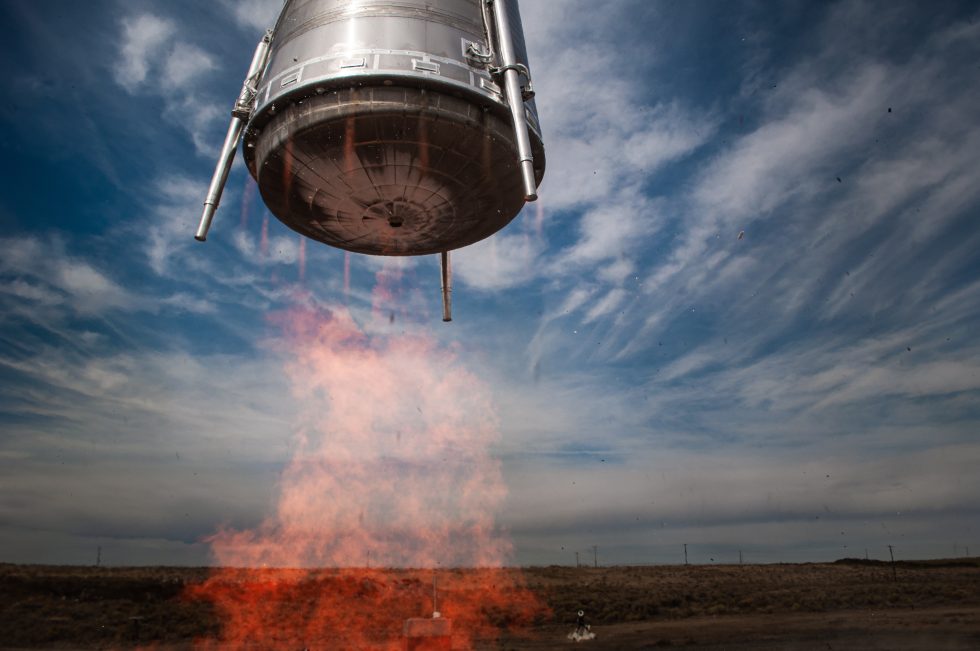
<p>This piece’s subtitle is “Does the world really need a 151st rocket company?” - and that’s really the premise of it. Again, this is something I’ve been doing a bit of research on for work, and it’s interesting to see the evolution of rocket launch companies, all of which is happening in the shadow of SpaceX. What’s interesting about this startup, Stoke Space, is that it’s rockets are more reusable than SpaceX’s, whose upper stage is not reusable.</p>

<p><img src="https://cdn.arstechnica.net/wp-content/uploads/2023/09/20230917-DSC_0796-980x651.jpg" alt="" /></p>

<hr />

<p><strong>5</strong>
<a href="https://www.henrikkarlsson.xyz/p/unfolding">Everything that turned out well in my life followed the same design process</a> - Henrik Karlsson’s Substack</p>

<p>Quite a lovely piece from Henrik Karlsson about Christopher Alexander’s “unfolding” design process. Instead of writing about it, I’ll just quote the first bit of the piece here:</p>

<p><em>If I look at things that have turned out well in my life (my marriage, some of my essays, my current career) the “design process” has been the same in each case. It has been what Christopher Alexander called an unfolding. Put simply:</em></p>
<ul>
  <li><em>I paid attention to things I liked to do, and found ways to do more of that. I made it easy for interesting people to find me, and then I hung out with them. We did projects together.</em></li>
  <li><em>I kept iterating—paying attention to the context, removing things that frustrated me, and expanding things that made me feel alive.</em></li>
  <li><em>Eventually, I looked up and noticed that my life was nothing like I imagined it would be. But it</em> fit <em>me</em>.</li>
</ul>

<hr />

<p><strong>6</strong>
<a href="https://oxfordamerican.org/oa-now/greyhound-racing-in-west-virginia?src=longreads">The Tangled Past and Unsettled Future of Greyhound Racing in West Virginia</a> - Oxford American</p>

<p>Michelle Orange writes about greyhound racing in West Virginia, home of America’s last active tracks. Phew. I knew that Greyhound racing was a big thing of the past - but I didn’t know that there were still some tracks active along with a strong base of supporters. I don’t like the idea of keeping animals in captivity and for racing, but I found this essay intriguing.</p>

<p><img src="https://oxfordamerican.org/media/pages/oa-now/greyhound-racing-in-west-virginia/415608f5c3-1747853135/wheeling-island-flcc-glindsay65-1_upres_cc.jpg" alt="" /></p>

<hr />

<p><strong>7</strong>
<a href="https://solar.lowtechmagazine.com/2026/04/rediscovering-the-handcart/">Rediscovering the Handcart</a> - Low Tech Magazine</p>

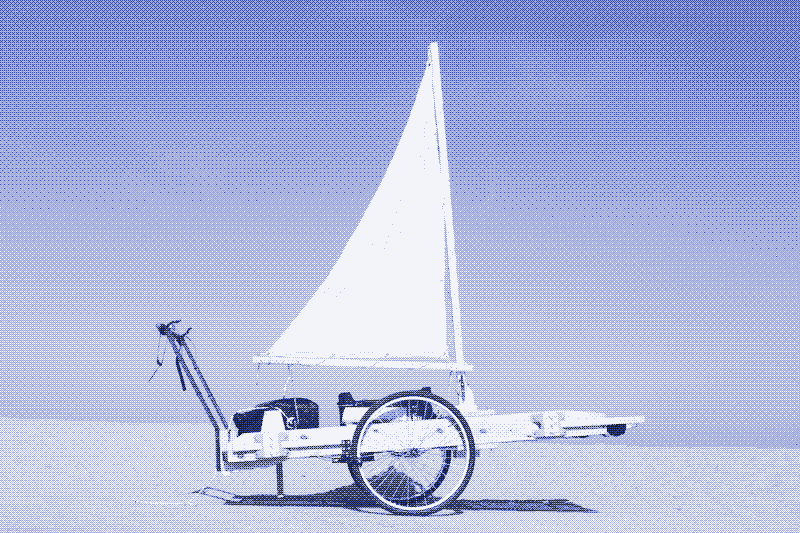
<p>“A pleasure to drive, Low-tech Magazine’s handcart demonstrates the advantages of slow, human-powered transportation.”</p>

<p>Compared to some of the older pieces from Low Tech Magazine (<a href="https://solar.lowtechmagazine.com/2015/12/fruit-walls-urban-farming.html">Fruit Walls: Urban Farming in the 1600s</a> in issue #210 and <a href="https://solar.lowtechmagazine.com/2023/08/direct-solar-power-off-grid-without-batteries/">Direct Solar Power: Off-Grid Without Batteries</a> in issue #330), this one I feel is a bit more whimsical. It’s about handcarts and how low-powered or human-powered carts can do a lot of heavy lifting. And you can even equip them with a sail!</p>

<p><img src="https://solar.lowtechmagazine.com/2026/04/rediscovering-the-handcart/images/dithers/IMG_2725_dithered.png" alt="" /></p>

<hr />

<p><strong>8</strong>
<a href="https://www.noemamag.com/the-secret-magical-life-of-lithium/">The Secret, Magical Life Of Lithium</a> - Noema</p>

<p>What a cool history lithium has had! I loved reading this article about this supposed-to-be-abundant-but-mysteriously-rare element.</p>

<hr />

<p><strong>9</strong>
<a href="https://www.texasmonthly.com/being-texan/still-life/">Still Life</a> - Texas Monthly</p>

<p>“Thirty-five years ago Dallas—and the country—was gripped by the tragic story of John McClamrock, a high school football player paralyzed during a violent tackle. But after the newspapers moved on, another story was quietly unfolding, one of courage, perseverance, and a mother’s fierce love.”</p>

<p>Oh lord. I read this 2009 piece last Saturday morning and couldn’t stop crying when I got to the middle and end of it. Sit down, give yourself 30 minutes to read it, and yup, keep some tissues at hand.</p>

<hr />

<p><strong>10</strong>
<a href="https://asteriskmag.com/issues/13/language-birth">Language Birth</a> - Asterisk Magazine</p>

<p>Since 1960, the world has lost hundreds of languages - but it’s gained thousands. This essay, by Karson Elmgren and published in the always-excellent Asterisk Magazine (I’ve shared 19 pieces from them!), talks about language disappearance and also the birth of new languages - whether “conlangs” (constructed languages) or specific lingo invented by groups of people (say, software engineers). Quite fun.</p>

<p><em>Perhaps it’s more accurate to say that linguistic diversity is not so much collapsing as radically transforming, with decimation on some dimensions coexisting with explosive growth on others. The losses are relatively uncontroversial, and have attracted wide attention with good reason. But the gains, I believe, are comparatively underappreciated, or even unfairly disdained, despite being of an arguably similar humanistic value.</em></p>

<hr />]]></content>


      <author>
        <name>Vishal Katariya</name>
        
        
          <uri>https://vishalkatariya.com/</uri>
        
      </author>


          <category term="katskable" />


        <summary type="html"><![CDATA[Kat's Kable #392]]></summary>


        <media:thumbnail xmlns:media="http://search.yahoo.com/mrss/" url="https://vishalkatariya.com/assets/images/social-card-v2.png" />
        <media:content medium="image" url="https://vishalkatariya.com/assets/images/social-card-v2.png" xmlns:media="http://search.yahoo.com/mrss/" />
      
    </entry>
  
    <entry>
      
      <title type="html">Kat’s Kable #391</title>
      <link href="https://vishalkatariya.com/katskable/391" rel="alternate" type="text/html" title="Kat’s Kable #391" />
      <published>2026-05-31T00:00:00+05:30</published>
      <updated>2026-05-31T00:00:00+05:30</updated>
      <id>https://vishalkatariya.com/katskable/391</id>


        <content type="html" xml:base="https://vishalkatariya.com/katskable/391"><![CDATA[<p>Hello hello, reader, and welcome to another issue of your favourite internet newsletter - Kat’s Kable. As always, there are ten great things for you to read. I’ve had a super busy week, and a relatively relaxing weekend, so my aim now is to send this newsletter out and promptly fall into a Sunday afternoon nap, or at least stupor. Enjoy the newsletter!</p>

<hr />

<p><strong>1</strong>
<a href="https://www.newyorker.com/magazine/2005/02/14/andy">Roger Angell: Missing E. B. White</a> - The New Yorker</p>

<p>Roger Angell, EB White’s stepson, writes lovingly about EB White - Andy. I’ve read Charlotte’s Web, of course, and bawled my eyes out as a kid, but I never really thought to learn more about White as a person. What a fun personal recollection - going ice skating with him, dealing with his hypochondriac nature, dealing with his extreme fear of social events, and most importantly, being enchanted by his sense of play. Really, really nice to read.</p>

<hr />

<p><strong>2</strong>
<a href="https://knowablemagazine.org/content/article/food-environment/2025/how-herbivores-get-their-essential-amino-acids">How plant-eaters snag their essential amino acids</a> - Knowable Magazine</p>

<p>This was super fun, honestly. I’ve wondered, often, how various organisms get their proteins. In particular - animals who eat only plants (as a vegan myself, I qualify!). This article is a pretty in-depth exploration of how this happens, and essentially explains the tradeoff that animals made when they decided to stop producing all amino acids themselves.</p>

<hr />

<p><strong>3</strong>
<a href="https://www.smithsonianmag.com/science-nature/when-coyotes-threatened-livestock-central-texas-ranches-solution-unlock-ancient-ability-dogs-180988099/">When Coyotes Threatened Livestock on Central Texas Ranches, the Solution Was to Unlock an Ancient Ability in Dogs</a> - Smithsonian</p>

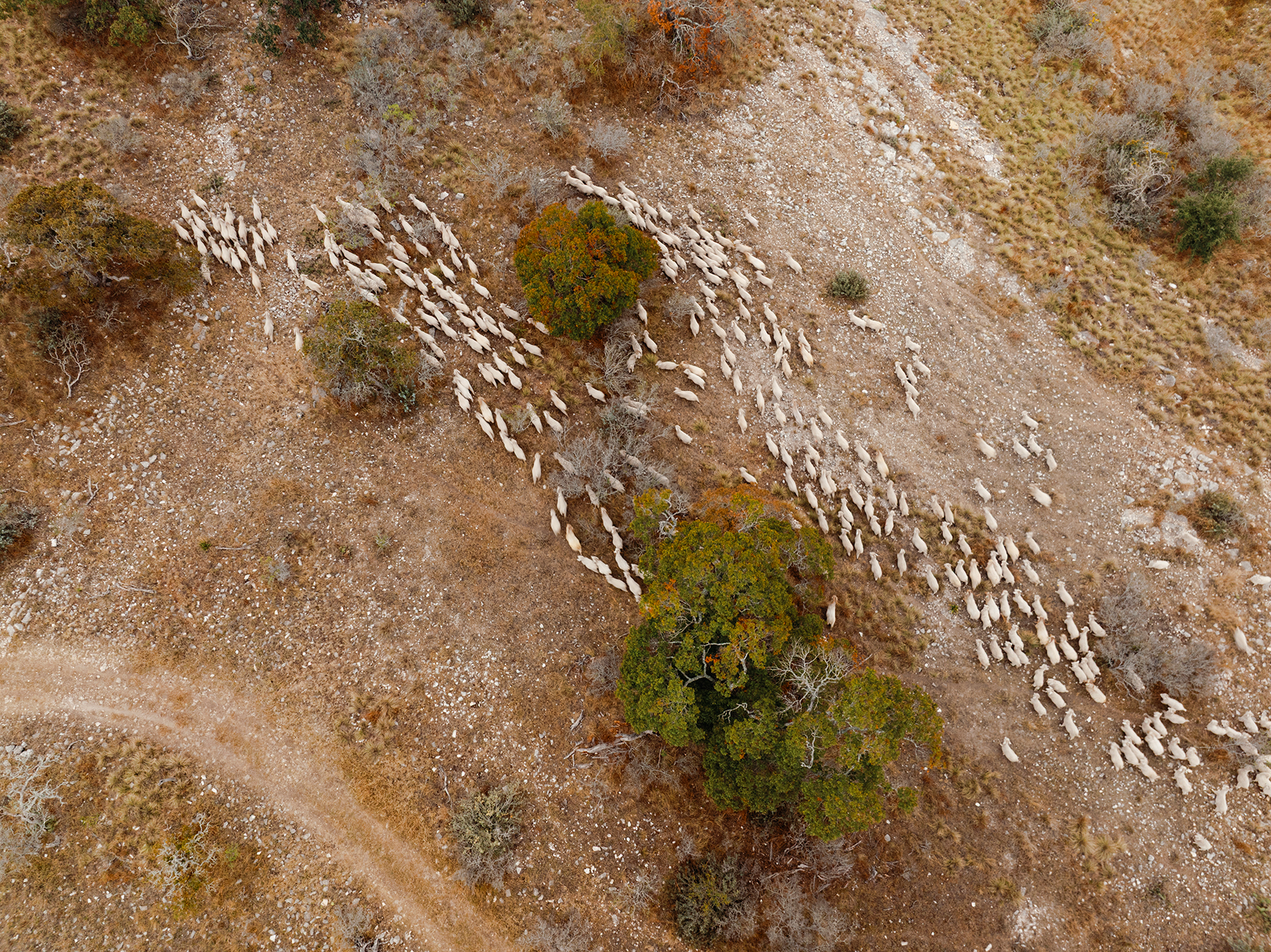
<p>“Killing the predators is not nearly as effective as the intimidating presence of well-trained guardians, a role some breeds have played for 5,000 years”</p>

<p>Phew - well, this is an article about sheep and goats and cows, all animals that can’t produce all their amino acids. This essay though is about how these animals have been decimated by predators such as coyotes in Texas, and the resurgence of special breeds of dogs to guard the pack.</p>

<p><img src="https://tf-cmsv2-smithsonianmag-media.s3.amazonaws.com/filer_public/c8/56/c856add4-cd8a-4330-af0f-239d3fc63838/guardiandog_fullres_jv_dji_0077.jpg" alt="" /></p>

<hr />

<p><strong>4</strong>
<a href="https://www.grubstreet.com/2020/05/coffeeeeee.html">A Brief Chat With a Guy Who Drinks 25 Cups of Coffee Per Day</a> - Grubstreet</p>

<p>“Charlie Anderson is a cartoonist who drinks 25 cups of coffee per day. Why? He was inspired by Balzac’s famed 50-cup-per-day intake, and says it helps fuel his creativity.”</p>

<hr />

<p><strong>5</strong>
<a href="https://arjunkrishanpuri.substack.com/p/rail-travel-vs-income-growth-in-india">Rail Travel vs Income Growth In India</a> - Arjun Krishan Puri’s Substack</p>

<p>I enjoyed this deep dive into passenger and ridership data of the Indian Railways over the past 50 years. Railway passengers in India peaked in FY13 (13 years ago!) and haven’t returned to that level since. That’s actually quite crazy if you think about it. The author argues that the historical trends show little evidence of upward mobility between fare segments (unreserved to reserved to AC reserved). This, in the context of the belief that Indian consumerism is increasing greatly, is a bit of a reality check.</p>

<hr />

<p><strong>6</strong>
<a href="https://worksinprogress.co/issue/why-japan-has-such-good-railways/">Why Japan has such good railways</a> - Works in Progress</p>

<p>Well, isn’t this a great juxtaposition to the previous piece. Great stuff from <em>Works in Progress</em>, as usual. They talk about how Japan has dealt with a fragmented private railway industry while building it up to one of the world’s best. Lots of surprises and learnings for me - what I found particularly interesting was that the railway companies do a lot of other stuff - office buildings, real estate, supermarkets, etc. - and them becoming these types of “supercompanies” means that the railways they build are not the end to themselves, but rather the means to the end (getting people to spend at their other, more profitable, businesses).</p>

<p><img src="https://worksinprogress.co/.netlify/images?url=https%3A%2F%2Fassets.worksinprogress.co%2Fwp-content%2Fuploads%2F2026%2F04%2Fimage-11.png&amp;w=1080&amp;h=810&amp;fit=cover" alt="" /></p>

<hr />

<p><strong>7</strong>
<a href="https://www.nytimes.com/interactive/2018/11/15/magazine/tech-design-ai-prediction.html">The Human Brain Is a Time Traveler</a> - The New York Times</p>

<p>Lovely piece by Steven Johnson - who has written so many amazing things. He talks here about how our brains are rarely “in the moment” and are often here and there in the future and the past.</p>

<p><em>In just a few minutes of mental wandering, you have made several distinct round trips from past to future: forward a week to the important meeting, forward a year or more to the house in the new neighborhood, backward five hours to today’s meeting, forward six months, backward five years, forward a few weeks. You’ve built chains of cause and effect connecting those different moments; you’ve moved seamlessly from actual events to imagined ones. And as you’ve navigated through time, your brain and body’s emotional system has generated distinct responses to each situation, real and imagined. The whole sequence is a master class in temporal gymnastics. In these moments of unstructured thinking, our minds dart back and forth between past and future, like a film editor scrubbing through the frames of a movie.</em></p>

<hr />

<p><strong>8</strong>
<a href="https://restofworld.org/2025/satellites-space-based-internet/">Out of space: Picturing the big, crowded business of satellite internet</a> - Rest of World</p>

<p>Satellite internet is growing rapidly, and is one of the fastest growing businesses in the world. This 2025 visual exploration goes into the evolution of these internet-beaming satellites (they’ve grown from fridge- to car-sized) and how much space they take in low earth orbit where they communicate with earth-based receivers. The crazy thing, whether you see it as positive or not, is that out of the ~12,000 satellites in space, almost 8000 belong to Starlink! And the UN has said that it’s fine for a <em>million</em> satellites to be in space. It’s about to get crowded.</p>

<p><img src="https://fastly.restofworld.org/uploads/2025/06/RoWSatellites_Moto_2.1_01_Mobile.png?width=560&amp;dpr=2" alt="" /></p>
<hr />

<p><strong>9</strong>
<a href="https://www.theverge.com/c/2019/9/5/20699849/climate-change-cloud-storm-chasers-argentina-floods-heat-planet">Storm chasers are searching the clouds for the key to climate change</a> - The Verge</p>

<p>Clouds are super important for us to understand because their behaviour contributes heavily to our best climate models and our predictions about the world’s climate. Sadly, we know next to nothing about them! There’s very little data that scientists have been able to gather about the insides of clouds - this piece, about some daredevil scientists who chase storms in Argentina and try to collect the invaluable cloud data, is fun!</p>

<p><em>A former bush pilot now working for the Department of Energy, Eveland has flown through just about every type of cloud the planet has to offer: sprawling stratus decks above the Alaskan tundra, atmospheric rivers flowing toward the coast of California, low ocean haze in the Azores, and orange pyrocumulus plumes sent up by firestorms in Washington state (which he describes as a “hoot”). Eveland likens skimming along the Argentine mountains to surfing, though every time he says something like that, he’s quick to boast about his caution. “This isn’t like Twister. We don’t just drive around looking for bad stuff to happen,” he says in his Arkansan twang. “Our sensors have sensors.” Laughing, he gestures to a plastic hula girl suctioned to the cockpit dashboard. “And when she falls off, it’s time to go home.”</em></p>

<hr />

<p><strong>10</strong>
<a href="https://magazine.atavist.com/2014/a-thousand-pounds-of-dynamite">A Thousand Pounds of Dynamite</a> - Atavist</p>

<p>“The race to stop one of history’s most bizarre extortion plots.”</p>

<p>Well, phew. This took me a solid hour to read, and it’s worth it. This is a really crazy story about a crazy family.</p>

<p><img src="https://magazine.atavist.com/wp-content/uploads/2014/07/bombfrontp-1406825180-45-13-1024x749.png" alt="" /></p>

<hr />]]></content>


      <author>
        <name>Vishal Katariya</name>
        
        
          <uri>https://vishalkatariya.com/</uri>
        
      </author>


          <category term="katskable" />


        <summary type="html"><![CDATA[Kat's Kable #391]]></summary>


        <media:thumbnail xmlns:media="http://search.yahoo.com/mrss/" url="https://vishalkatariya.com/assets/images/social-card-v2.png" />
        <media:content medium="image" url="https://vishalkatariya.com/assets/images/social-card-v2.png" xmlns:media="http://search.yahoo.com/mrss/" />
      
    </entry>
  
    <entry>
      
      <title type="html">Kat’s Kable #391</title>
      <link href="https://vishalkatariya.com/katskable/391" rel="alternate" type="text/html" title="Kat’s Kable #391" />
      <published>2026-05-30T00:00:00+05:30</published>
      <updated>2026-05-30T00:00:00+05:30</updated>
      <id>https://vishalkatariya.com/katskable/391</id>


        <content type="html" xml:base="https://vishalkatariya.com/katskable/391"><![CDATA[<p><em>Write your intro here…</em></p>

<hr />

<p><strong>1</strong>
<a href="https://www.newyorker.com/magazine/2005/02/14/andy">Roger Angell: Missing E. B. White</a> - The New Yorker</p>

<p>Roger Angell remembers the author of “Charlotte’s Web.” This is really cool huh.</p>

<hr />

<p><strong>2</strong>
<a href="https://knowablemagazine.org/content/article/food-environment/2025/how-herbivores-get-their-essential-amino-acids">How plant-eaters snag their essential amino acids</a> - Knowable Magazine</p>

<p>Early in evolution, we animals lost the ability to manufacture nine of the 20 building blocks needed to make proteins. Herbivores evolved an impressive array of tricks to ensure their dietary needs are met.</p>

<hr />

<p><strong>3</strong>
<a href="https://www.grubstreet.com/2020/05/coffeeeeee.html">A Brief Chat With a Guy Who Drinks 25 Cups of Coffee Per Day</a> - Grubstreet</p>

<p>Charlie Anderson is a cartoonist who drinks 25 cups of coffee per day. Why? He was inspired by Balzac’s famed 50-cup-per-day intake, and says it helps fuel his creativity.</p>

<hr />

<p><strong>4</strong>
<a href="https://www.smithsonianmag.com/science-nature/when-coyotes-threatened-livestock-central-texas-ranches-solution-unlock-ancient-ability-dogs-180988099/">When Coyotes Threatened Livestock on Central Texas Ranches, the Solution Was to Unlock an Ancient Ability in Dogs</a> - Smithsonian</p>

<p>Killing the predators is not nearly as effective as the intimidating presence of well-trained guardians, a role some breeds have played for 5,000 years</p>

<hr />

<p><strong>5</strong>
<a href="https://arjunkrishanpuri.substack.com/p/rail-travel-vs-income-growth-in-india">Rail Travel vs Income Growth In India</a> - Arjunkrishanpuri</p>

<p>What 50 years of Railways passenger data shows - and what it doesn’t.</p>

<hr />

<p><strong>6</strong>
<a href="https://worksinprogress.co/issue/why-japan-has-such-good-railways/">Why Japan has such good railways - Works in Progress Magazine</a> - Works in Progress</p>

<p>Japan’s railways are the finest in the world. Other countries can copy its formula.</p>

<hr />

<p><strong>7</strong>
<a href="https://www.nytimes.com/interactive/2018/11/15/magazine/tech-design-ai-prediction.html">The Human Brain Is a Time Traveler (Published 2018)</a> - The New York Times</p>

<p>Looking to the future has always defined humanity. Will A.I. become the best crystal ball of all?</p>

<hr />

<p><strong>8</strong>
<a href="https://restofworld.org/2025/satellites-space-based-internet/">Out of space: Picturing the big, crowded business of satellite internet</a> - Restofworld</p>

<p>Starlink and its rivals are investing billions to expand space-based internet, and the race for global satellite coverage is just beginning.</p>

<hr />

<p><strong>9</strong>
<a href="https://www.theverge.com/c/2019/9/5/20699849/climate-change-cloud-storm-chasers-argentina-floods-heat-planet">Storm chasers are searching the clouds for the key to climate change</a> - The Verge</p>

<p>Clouds are complex, elusive, and the greatest source of uncertainty about how hot the Earth will get in response to carbon dioxide. Meet the scientists who try to catch them.</p>

<hr />

<p><strong>10</strong>
<a href="https://magazine.atavist.com/2014/a-thousand-pounds-of-dynamite">A Thousand Pounds of Dynamite</a> - Atavist</p>

<p>The race to stop one of history’s most bizarre extortion plots.</p>

<hr />]]></content>


      <author>
        <name>Vishal Katariya</name>
        
        
          <uri>https://vishalkatariya.com/</uri>
        
      </author>


          <category term="katskable" />


        <summary type="html"><![CDATA[Kat's Kable #391]]></summary>


        <media:thumbnail xmlns:media="http://search.yahoo.com/mrss/" url="https://vishalkatariya.com/assets/images/social-card-v2.png" />
        <media:content medium="image" url="https://vishalkatariya.com/assets/images/social-card-v2.png" xmlns:media="http://search.yahoo.com/mrss/" />
      
    </entry>
  
    <entry>
      
      <title type="html">Kat’s Kable #390</title>
      <link href="https://vishalkatariya.com/katskable/390" rel="alternate" type="text/html" title="Kat’s Kable #390" />
      <published>2026-05-24T00:00:00+05:30</published>
      <updated>2026-05-24T00:00:00+05:30</updated>
      <id>https://vishalkatariya.com/katskable/390</id>


        <content type="html" xml:base="https://vishalkatariya.com/katskable/390"><![CDATA[<p>Hello, good afternoon, and welcome to another issue of your favourite internet newsletter - Kat’s Kable. As always, there are ten great things to read, and a curator who’s had a rough week but a really good and relaxing weekend. I’m an active relaxer - I need to <em>do</em> relaxed things to relax rather than do nothing to relax. Weird but true.</p>

<p>I just finished reading book #8 of the Culture series by Iain M. Banks and enjoyed it - the plot was pretty random but the action was fun! I’m currently waiting for my Claude limits to reset (half an hour to go) to continue working on a few fun personal things, and I’m about to go watch a play my friend is acting in! Fun weekend. Enjoy the Kable, as always, and write to me always by just replying to this email.</p>

<hr />

<p><strong>1</strong>
<a href="https://colossus.com/article/raspberry-pi-eben-upton/">Raspberry Pi: Interview with Eben Upton</a> - Colossus</p>

<p>I loved this! I’ve been thinking about mini electronics/hardware projects at home, especially now that LLMs are pretty good at writing code for small  hobby projects. I recently hooked up an old Kindle to check on a web server every hour and update its screensaver based on whatever message (or picture!) Samira or I want to put on it, and it was totally the most satisfying vibe-coded project ever.</p>

<p>This interview with Eben Upton, co-founder of Raspberry Pi, was so fun and inspiring to me. I’m going to buy a couple of Pi Zeros very soon.</p>

<p><img src="https://colossus.com/wp-content/uploads/2026/04/20260318_RasberryPi_2789-982x1449.jpg" alt="" /></p>

<hr />

<p><strong>2</strong>
<a href="https://worksinprogress.co/issue/the-worlds-most-complex-machine/">The world’s most complex machine</a> - Works in Progress</p>

<p>Uff. I knew that ASML is one of the most amazing companies in the world because of their leadership in lithography, the technology that etches patterns into silicon and gives us the complex semiconductor chips we have today. I didn’t know <em>how</em> they got to this point though - couple of near-death situations (saved by a Philips board member), partnership and investment from their customers, and willingness to work with all partners across continents. Each extreme UV (EUV) lithography machine has over one hundred thousand components. “To ship one requires 40 freight containers, three cargo planes, and 20 trucks.”.</p>

<p><img src="https://worksinprogress.co/.netlify/images?url=https%3A%2F%2Fassets.worksinprogress.co%2Fwp-content%2Fuploads%2F2026%2F04%2FASML_HighNA_cleanroom_Veldhoven_069-1-scaled.jpg&amp;w=1080&amp;h=567&amp;fit=cover" alt="" /></p>

<hr />

<p><strong>3</strong>
<a href="https://www.breakthroughjournal.org/p/the-aluminum-tech-stack">The Aluminum Tech Stack</a> - Breakthrough Journal</p>

<p>Great deep dive into China’s industrial capabilities, and how a lot of their current strength comes from aluminum processing. Granted, aluminum is important, but is it <em>that</em> important? Like, you know, as important as semiconductors? Steel? The point this essay makes is that in creating a great aluminum processing value chain, you can do a lot more things (including semiconductors, EV batteries, and so on).</p>

<p><em>As goods like aluminum and graphite electrodes illustrate, strategic industries are interconnected and linked to “non-strategic” industries in surprising and unpredictable ways. The broader aim of industrial policy is to cultivate an energy-industrial ecosystem that can effectively procure upstream capabilities on its own to adapt to the evolving technological cutting edge. The operative test of such an ecosystem may well be whether it can build and commission a new metallurgical or chemical plant as necessary. The challenge for Japan, India, the United States, or the European Union will be developing a non-Chinese formula for bringing that plant into operation.</em></p>

<hr />

<p><strong>4</strong>
<a href="https://vector.news/does-kingmaking-actually-work/">Does “Kingmaking” actually work?</a> - Vector</p>

<p>Interesting exploration into the way venture capital works today. This piece has unfortunately been paywalled since I first read it, so here’s the first paragraph:</p>

<p><em>The term “kingmaking” has a medieval ring to it, which is fitting: venture capitalists have begun behaving less like investors and more like feudal lords, anointing monarchs and then daring the market to disagree. The strategy — flooding a single startup with enough capital to make it appear dominant before it has proved much of anything — is not new. What has changed is the audacity of its timing, and the institutional machinery that now exists to make the prophecy self-fulfilling.</em></p>

<hr />

<p><strong>5</strong>
<a href="https://bigthink.com/the-future/progress-conference-2025-metascience/">Inside the movement that’s rewriting how we do science</a> - Big Think</p>

<p>This essay is a deep dive into the new field (or movement) called metascience - the study and redesign of how science operates. As an aspiring scientist myself who dropped off that track recently, I like this a lot. I think the way we’ve done science is awesome - but of late (relatively speaking, given modern science is a few hundred years old) we’ve stagnated. I’m glad to learn more about new ways to fund, conduct and distribute science. To me, the most interesting thing is the way we now are incentivized to publish and share “negative” results, basically when we try something and it doesn’t work. Earlier, you’d have no positive incentive to do so. Now, if you want AI systems to accelerate science, they can’t do so without the negative result data.</p>

<hr />

<p><strong>6</strong>
<a href="https://archive.is/spe96">Our Very Strange Search for “Sea Level”</a> - The New Yorker</p>

<p>Ha, very fun. A 2024 piece about how we’ve collectively struggled to define and measure “mean sea level”. Why is it hard? Because mean sea level depends on many things! Tides! Where in the world you are. Things change over time. And so on. That hasn’t stopped us, though.</p>

<hr />

<p><strong>7</strong>
<a href="https://aethermug.com/posts/darwin-the-fun-loving-young-fellow">Darwin the Fun-Loving Young Fellow</a> - Aether Mug</p>

<p>I’d shared <a href="https://aethermug.com/posts/darwin-the-witness">Darwin the Witness</a> in issue #380, and this is actually the first essay in the same series. You’ll see both in this piece and the next how Darwin was just really an adorable person traveling the world, doing what he loved, and having a lot of fun doing it. Some examples of his shenanigans: sitting on and hitching rides from Galapagos tortoises and having staring conversations with iguanas. I can’t believe I never thought to read his writing before, but now it’s on priority.</p>

<hr />

<p><strong>8</strong>
<a href="https://michaelnotebook.com/dci/index.html">Developing creative identity</a> - Michael Nielsen</p>

<p>I’m a big, big fan of Michael Nielsen’s work - I recently shared 
<a href="https://michaelnotebook.com/whichfuture/index.html">Which Future?</a> in issue #379 about artificial superintelligence. This particular essay, though, is quite different. It’s not about a particular topic, but rather a personal essay contemplating the nature of Nielsen’s work. The fundamental point he’s grappling with is, “am I a writer?”. He uses many examples, including Darwin, Einstein and Maxwell, to conclude that his “am I a writer?” question is far more subtle than he initially thought, and it’s better to ignore the question and reframe himself differently: as a thinker who is chasing a question, for which words are often a good way to convey the thinking and the output. The primary identity is “creative explorer and researcher”, and temporary roles are “scientist, a physicist, an interface designer, a writer, and many more identities.”</p>

<hr />

<p><strong>9</strong>
<a href="https://www.avabear.xyz/p/passive-obsession">passive obsession</a> - bookbear express</p>

<p>Ava, from bookbear express, talks about passive obsession. I’m sharing a quote from the piece below that I really liked, and the other thing I’ll mention is that this ties in somewhat with a book I’m rereading, <em>The Inner Game of Tennis</em>. In that book, Timothy Gallwey talks about the key to athletic (and general) performance being getting into a zone of “effortless concentration”.</p>

<p><em>Creativity is not something you can force. That’s why the term “passive obsession” feels fitting to me: my ideas tend to bubble up from fixations that I bat away more than I encourage. I’ve never been someone who enjoys brainstorming on command or making top-down decisions about what to work on. I prefer letting my attention wander, believing that it’ll lead me to the right place if I just watch and wait.</em></p>

<hr />

<p><strong>10</strong>
<a href="https://victoryjournal.substack.com/p/tour-de-force">Tour de Force</a> - Victory Journal</p>

<p>Whoa. What a great piece to end today’s issue with - this is a profile of Misty Copeland, who I hadn’t heard of earlier. She’s one of the few ballerinas who has achieved widespread celebrity status in America of late. And she’s Black.</p>

<p><em>The group milled around for a moment, and when nobody was really paying attention, Copeland sprung to life and leapt across the floor in a flash. It was like watching a pterodactyl wake from rest and take flight in a split second. Without the inhibiting force of a partner—a second body, with all of its quirks and unfamiliarities—Copeland’s sheer explosiveness came to light. Her wingspan and the height of her vertical jump took my breath away. Ballet is a sport in which athleticism and grace are often at odds with one another, even when they are both necessary. Here, leaping through the air in an unrehearsed moment, Copeland was able to channel her own athleticism and use it to power her grace.</em></p>

<hr />]]></content>


      <author>
        <name>Vishal Katariya</name>
        
        
          <uri>https://vishalkatariya.com/</uri>
        
      </author>


          <category term="katskable" />


        <summary type="html"><![CDATA[Kat's Kable #390]]></summary>


        <media:thumbnail xmlns:media="http://search.yahoo.com/mrss/" url="https://vishalkatariya.com/assets/images/social-card-v2.png" />
        <media:content medium="image" url="https://vishalkatariya.com/assets/images/social-card-v2.png" xmlns:media="http://search.yahoo.com/mrss/" />
      
    </entry>
  
</feed>