Hi there. How are you? A bit rushed this week, thus the abbreviated issue and slowly petering down enthusiasm. So much is going on. I’m going to go take a nap.
If you got this from a friend and want to subscribe, here’s the link. Also, if any of the links are paywalled and if you don’t want to pay for a subscription, try opening the link in incognito mode in your browser; it works sometimes. If that doesn’t work, you can access the website using a different browser on the same device, or use a different device altogether.
1. We never paid for Journalism
Something I’ve been thinking about is how an increasing number of online publications are now behind paywalls and ask for weekly or monthly subscriptions. I understand that publications need money, but I can’t pay for all of them. Something I didn’t appreciate so much was the fact that print newspapers’ sole stream of revenue wasn’t subscriber costs: it was also advertising. The fact that online advertisers can optimize their ads to be selective and discerning means that it’s a less profitable business for the publication. In something related, I was really surprised when I found out that most public transit systems make at most 50% of their revenue from ridership fees.
2. This economist has a plan to fix capitalism. It’s time we all listened
(paywalled, Wired UK)
I just read about Mariana Mazzucato via this piece, and she is amazing! Yes, we have to fix capitalism, which would mean a shift in focus: “growth” as we know it now has to be replaced with something more circular, and less exploitative. Another interesting thing brought up here is how drug companies, especially in the US, charge exorbitant amounts for their drugs while not repaying to the public what they receive as public funding for their research. How many such things happen that we just don’t know about?
3. Why a hipster, vegan, green tech economy is not sustainable
I liked this piece. And it’s also a nice complement to the previous one. The best and most elegant way to work to combat climate change is to change the very root of how we do things. This piece argues that replacing industrially farmed animals with industrially farmed vegan food plays into the same capitalistic machinery that we have now. It will find a way to be exploitative and zero-sum. We need solutions that are unique to their locations, that respect native traditions and people, and which are basically …respectful.
4. Fatal Dose
What…? This was crazy. It’s about the Therac radiation machine, used from the 1980s to give radiation therapy for cancer patients. A couple of coding bugs caused horrifying repercussions. If the machine were set at some particular instants in time, then the patient would receive about a hundred to a thousand times their needed dosage, which would often lead to death. This is a story of how these bugs were found, and how bad software can be catastrophically bad.
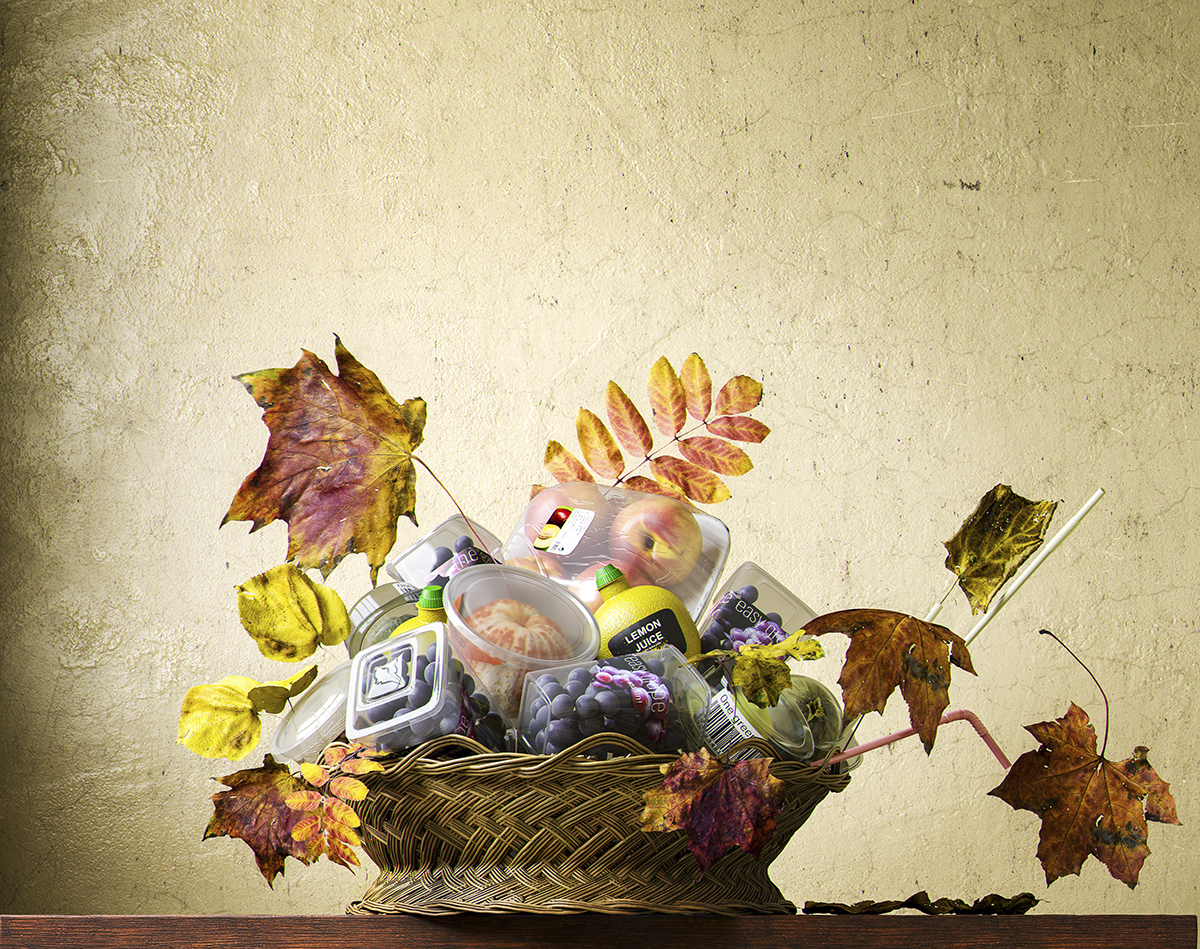
5. Not Longer Life
Lovely. A series of paintings have been redone to show the modern profusion of plastics.
6. Having the guts to say no to bad money
I really enjoyed this, because it’s something I’ve been thinking about for a while now. This piece talks about how a design firm, once somewhat established, could take a stand and only work for clients whose missions were not unreasonable. The point of view that I think of this from is academia, where a significant amount of funding comes from the military arms. Is that “bad money”? I don’t know. But if you want to develop a set of rules/principles to follow, you could do far worse than read this piece.
7. Counting women in physics
A nice piece. Again, there should be more women in most science fields. Why they’re not there is due to a bunch of difficulties that they have to deal with from their childhoods.

8. Richard Hamming : You and Your Research
A classic talk whose introductory paragraph is so:
The title of my talk is “You and Your Research.” It is not about managing research, it is about how you individually do your research. I could give a talk on the other subject — but it’s not, it’s about you. I’m not talking about ordinary run-of-the-mill research; I’m talking about great research. And for the sake of describing great research I’ll occasionally say Nobel-Prize type of work. It doesn’t have to gain the Nobel Prize, but I mean those kinds of things which we perceive are significant things. Relativity, if you want, Shannon’s information theory, any number of outstanding theories — that’s the kind of thing I’m talking about.
9. Do You Bake Bread? You Just Might Be a Community Scientist.
Citizen science is science! This article made me happy.