Hello hello, this is Kat with another issue of Kat’s Kable. I’ve had a nice week and am starting to get a bit busy again. I’ve been attempting to bake bread with the wheat we have at home these days, and it’s a fun experiment. I realized that with this wheat I’m unfamiliar with, I’m like a beginner again! Lots to observe and tweak and so on. I’m also going to be away for a couple of weeks, so there won’t be a Kat’s Kable next Sunday. Anyhow, I hope you enjoy this week’s list and see you next time!
If you got this from a friend and want to subscribe, here’s the link. Also, if any of the links are paywalled and if you don’t want to pay for a subscription, try opening the link in incognito mode in your browser. This works if the website has a “soft” paywall. If that doesn’t work, you can access the website using a different browser on the same device, or use a different device altogether. Another, slightly involved, method is to try to disable JavaScript and reload the page. This works on some websites for me.
1. Your Attention Is Not a Resource - The Convivial Society (a Substack newsletter)
I love, love this newsletter. In this issue, the author L.M. Sacasas comments on the way we talk about “attention” these days, especially in the context of online media consumption and social media. A popular sentiment is that everyone has a finite amount of attention, which various sources compete for. However, his counterpoint is that attention is not a resource in a scarcity-driven economic sense. Rather, everyone has just the right amount of attention that they need. It’s a fascinating read.
2. Do Elephants Have Souls? - The New Atlantis
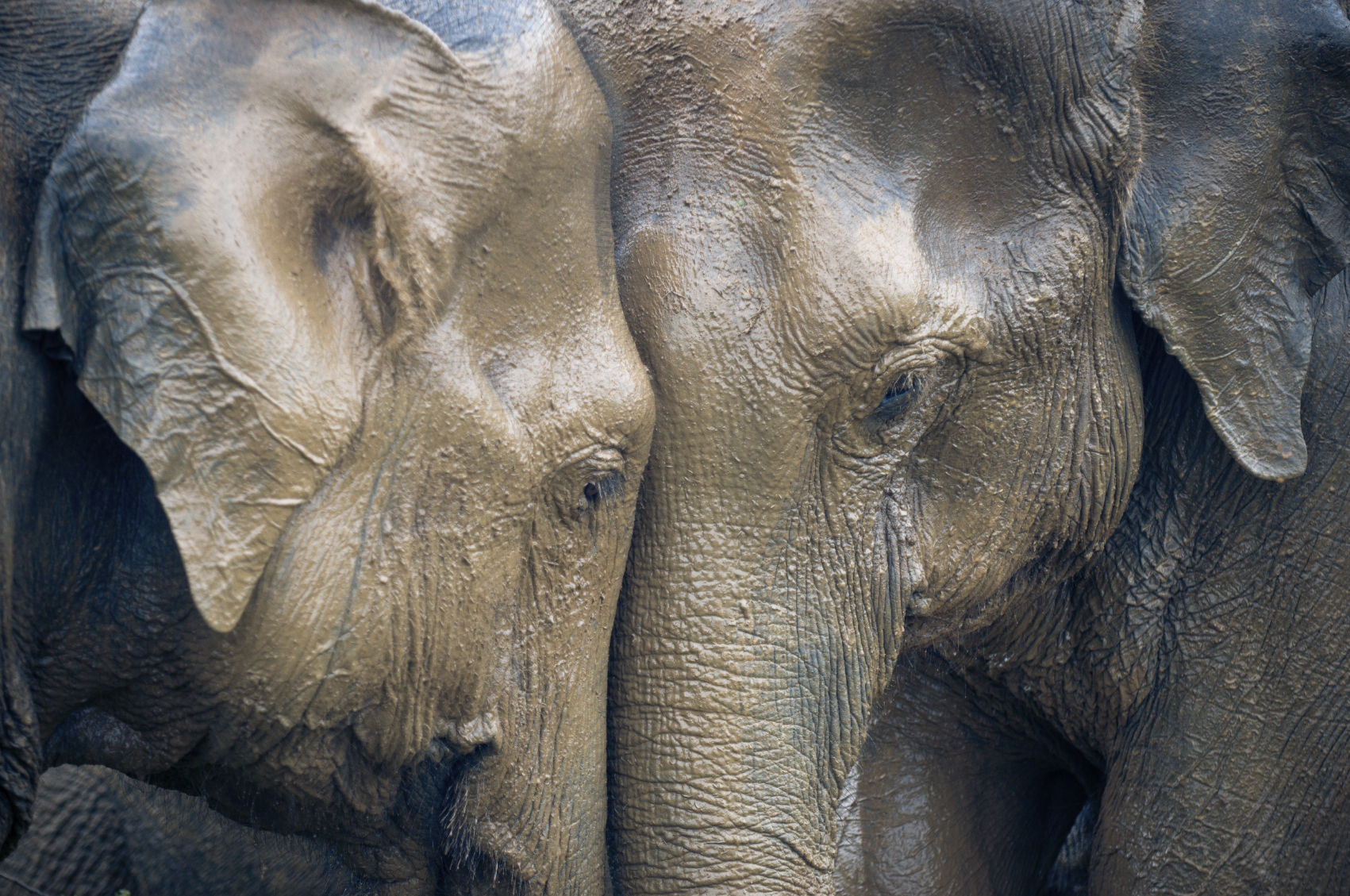
This is a long, long read. It took me about three sittings to get through entirely. But I think it’s worth it. The author, Caitrin Keiper, takes you on a deep dive into the psyche of elephants and how we perceive them through our gaze. Elephants are like us in some ways, but also so unlike us too. It was sad to read about the destructive ways in which our worlds intersect, but the major feeling I had after reading this was, “wow, I’m really glad to live in the same world as elephants.”
3. Tragedy as Emotional Vaccination - The Pamphlet
Ha, this was interesting. It’s something I’ve thought about on and off, but of course never put down into words. It starts with the premise:
“Why would anyone enjoy tragedy in fiction while no one would like tragedies to happen to us or our friends in life? Isn’t there something perverse in the pleasure of watching people’s suffering on the screen or reading about their misfortune in a novel?”
However, the argument made by this essay is that exposing ourselves to tragedy in stories, we build up some protection to tragedy that might strike us in real life. The essay also spends some time in making the tragedy in stories/vaccination analogy concrete, but I don’t really care for that. I think the broad idea is pretty useful even without establishing its rigor.
4. On Cat Pictures - LA Review of Books
Well, of course I’m going to share an article about cat pictures.
5. How Music Can Literally Heal the Heart - Scientific American
Ooh this is quite nice. It’s an article written by a big group of people, who are researchers working on the connection between music and health. At some level, it’s glaringly obvious that music can improve our health and reverse some maladies, because it makes us feel so good. But it’s still nice to see a short summary of quantitative ways that music can literally repair hearts. This actually reminds me of another article that I shared a while ago: ‘It’s a Superpower’: How Walking Makes Us Healthier, Happier and Brainier.
6. Food fraud and counterfeit cotton: the detectives untangling the global supply chain - The Guardian
Wooo. This was super cool. It’s about a company called Oritain, whose job is to ascertain the authenticity or origin of food and other products around the world. In a world of connected and nebulous supply chains, it often happens that companies that market their products as coming from somewhere actually don’t know for sure if it’s coming from that particular somewhere. Oritain’s job is to do that for companies. A lot of discrepancies and misconduct (suppliers passing their products off as things that they’re not) can be identified by chemically analyzing the product in question. It’s interesting how it’s done, and how modern and global this kind of work is. The weirdest part, in my opinion, is how companies ask Oritain to check if products being sold under their label are actually authentic, thus trying to catch dubiously behaving middlemen in the act.
7. How Inuit Parents Teach Kids To Control Their Anger - NPR
Inuit parents in the northernmost parts of the American continent do parenting quite uniquely. They have systems and procedures in place to make sure that nobody gets angry, and of course this begins with their kids. What ends up happening is that the entire Inuit people rarely show frustration, or anger.
8. Imperial Wars Always Come Home - Patrick Wyman’s Substack
Patrick Wyman, incisive as usual, writes about how imperial wars have always led to domestic blowback. This has been true of history, and is true now too, which he explains taking the US as an example. The USA’s imperial project is slowing down and has not been super successful in the recent past. The technology that the US used in its imperialist wars and explorations is now coming back home, to be used for surveillance, security, border control, and so on.
9. How China Got Sri Lanka to Cough Up a Port - The New York Times (soft paywalled)
Well, speaking of imperialism.. this piece is from 2018 but I read it just recently. It’s scary, to be honest.
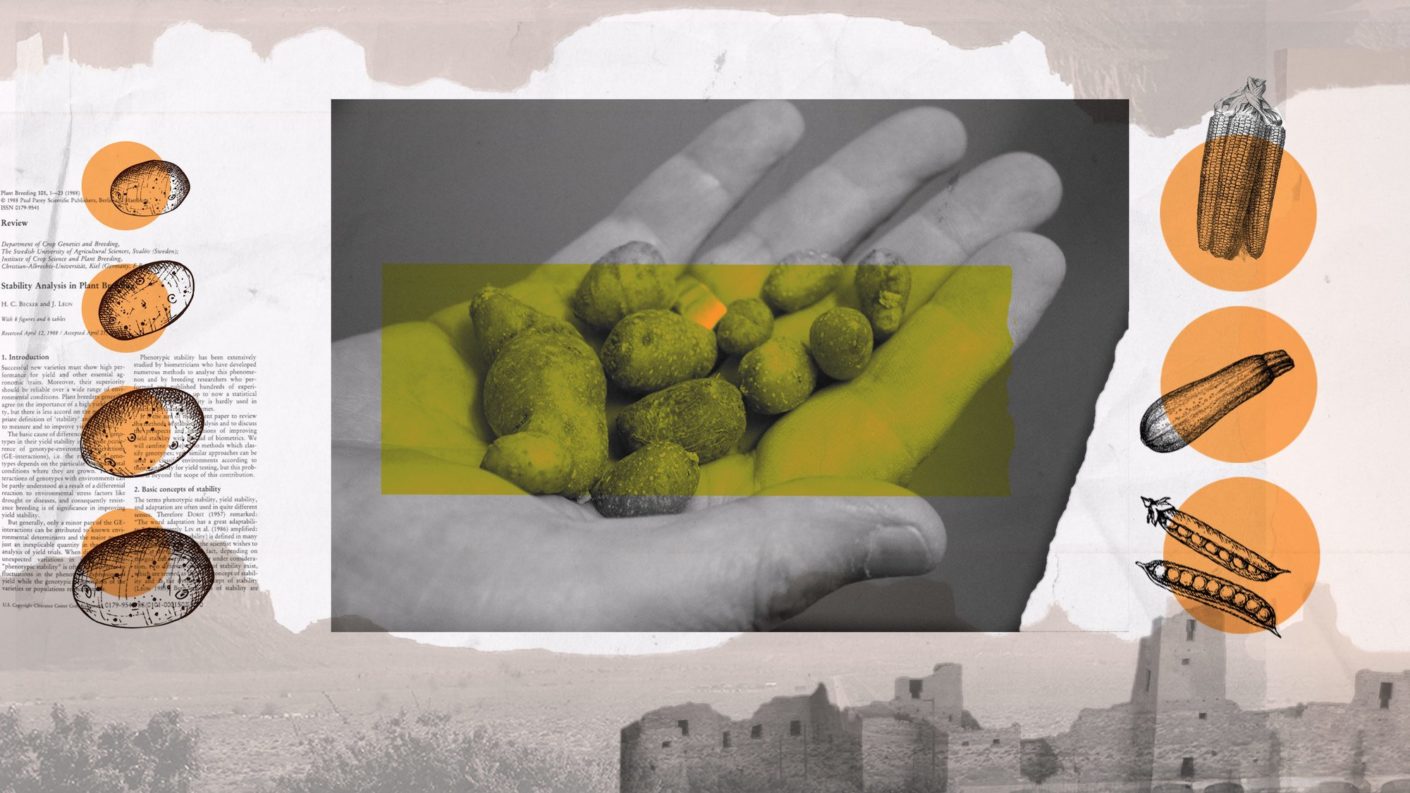
10. The ancient potato of the future - The Counter
I learnt something really cool from this piece, namely that the potato all of us eat is Solanum tuberosum , but there are other potatoes too. This article is a deep dive into a potato native to the harsh desert of North America, the Solanum jamesii. It’s also called the “Four Corners potato”. This potato has an eight year shelf life (!) and has been stewarded and grown by Indigenous folk in the area for a long time. In a future of increasingly harsh climate, this potato might become very important. We might not eat it, but its genetic material might find a way (through breeding) into the potatoes we do eat now.