Hi! This is Vishal with another issue of Kat’s Kable. So many good things to read this week in the list. I am quite pleased with it. After a few weeks’ break, I’ve picked up my juggling balls again and learnt a few tricks–two up one up, the half-shower, and juggler’s tennis. The names are quite charming, and a friend recommended I learn “Mill’s Mess” next, so that’s what I’ll do. I also signed up for an online course about Tolkien’s world and the ancient world, which should be fun! Life is good when there’s a bunch of things going on. Anyhow, I have things to do and places to be, so I’ll leave you to enjoy this week’s list. As always, I’d love to hear back from you, and if you ever feel like saying hi or telling me that this is your favourite newsletter ever (I know, obviously it is, but it doesn’t hurt to tell me every now and again), just reply to this email.
If you got this from a friend and want to subscribe, here’s the link. Also, if any of the links are paywalled and if you don’t want to pay for a subscription, try opening the link in incognito mode in your browser. This works if the website has a “soft” paywall. If that doesn’t work, you can access the website using a different browser on the same device, or use a different device altogether. Another, slightly involved, method is to try to disable JavaScript and reload the page. This works on some websites for me.
1. Notes on Grief - The New Yorker (soft paywalled)
This is a very long piece by Chimamanda Adichie about her dad who passed away in 2020. It goes in all sorts of directions, but it is a privilege to read this account of her father and also of the way she and her family deal with their loss.
Grief is forcing new skins on me, scraping scales from my eyes. I regret my past certainties: Surely you should mourn, talk through it, face it, go through it. The smug certainties of a person yet unacquainted with grief. I have mourned in the past, but only now have I touched grief’s core. Only now do I learn, while feeling for its porous edges, that there is no way through. I am in the center of this churning, and I have become a maker of boxes, and inside their unbending walls I cage my thoughts. I torque my mind firmly to its shallow surface alone. I cannot think too much; I dare not think too deeply, or else I will be defeated, not merely by pain but by a drowning nihilism, a cycle of thinking there’s no point, what’s the point, there’s no point to anything.
2. What do caged animals really tell us about our mental lives? - Aeon
I think this is a pretty contentious topic? I am not sure. Garet Lahvis, the author of this essay, is a neuroscientist. He explores two things in this essay questioning the motivations and efficacy of performing experiments on lab animals. First, do animal experiments actually lead to new drugs or treatments for humans; or in other words, do the results of experiments on mice translate to humans? Second, how effective is it to perform experiments on animals that are in artificial environments, more stressed than they should be, and hence with weaker immune systems than their natural or wild counterparts? Lab animals may be hypersensitive to new drug candidates; does this always happen because these drugs are toxic or because these lab animals are not healthy enough to reflect the drugs’ effects in reality? This is all very interesting, and more importantly than that, something urgent too. Lastly, of course, are the ethics of the whole thing: we are denying animals agency and access to lives that they are used to, and is it “worth it” in some way?
3. How Animals Perceive the World - The Atlantic (soft paywalled)
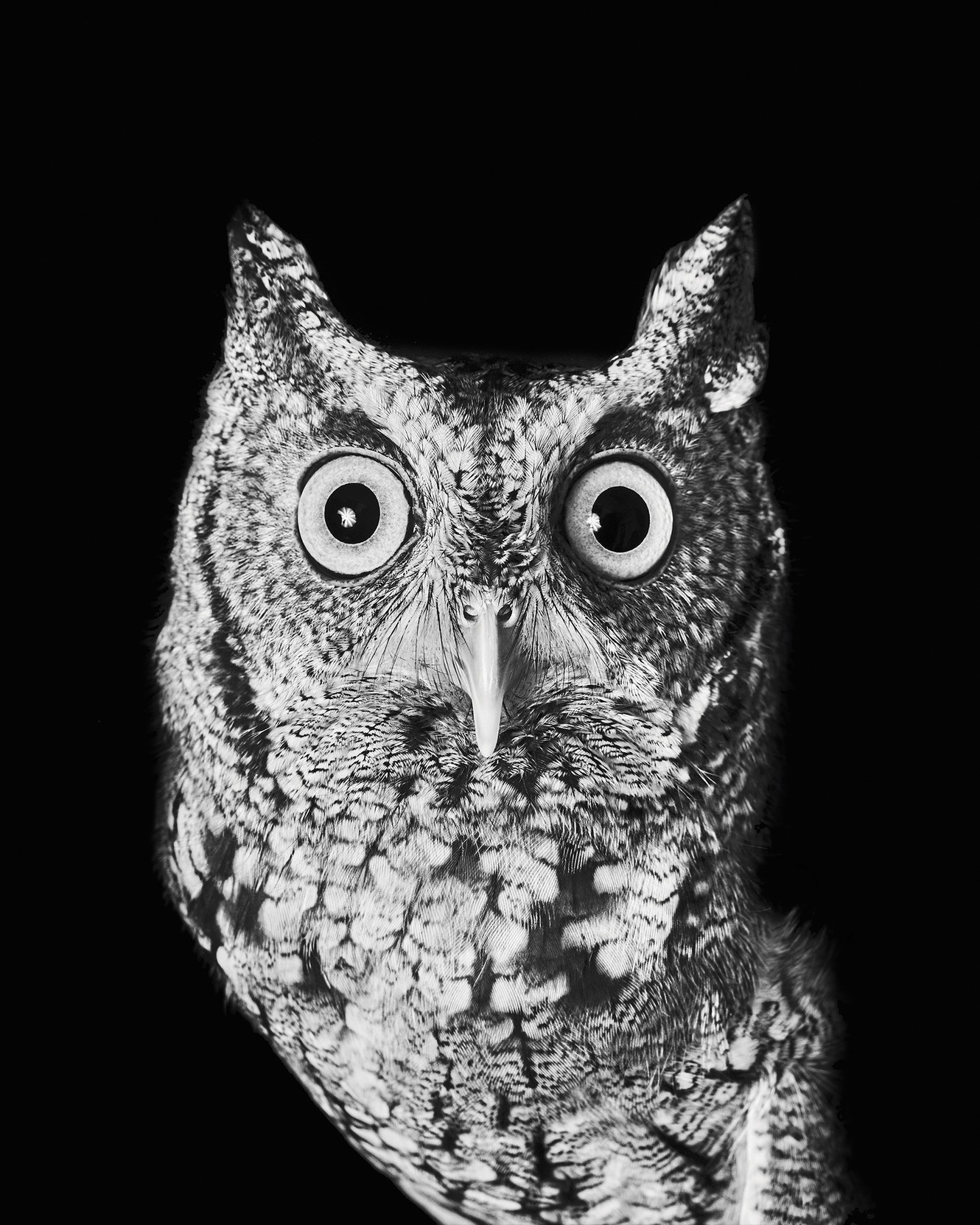
Ed Yong has a new book out: An Immense World: How Animal Senses Reveal the Hidden Realms Around Us , and this is an adapted excerpt from it (it has some lovely photographs too, by Shayan Asgharnia). The premise of this essay, and the book presumably, is that different animals have specialized in different subdomains of the sensory world. Humans occupy a special position because we’re able to appreciate and study the experiences of other species–this is a privilege which comes with its own responsibilities. Every creature has an Umwelt , “the part of those surroundings that an animal can sense and experience—its perceptual world.” We as humans have imposed our own effects on the sensory environments of so many other species around us, with some of the glaring (hehe) examples being light and sound pollution. Since we are able to somewhat appreciate the sensory perception of other animals, do we not also have a duty to be respectful towards it and lighten the effects we have on them?
4. Tastes from the Underground - Whetstone Magazine
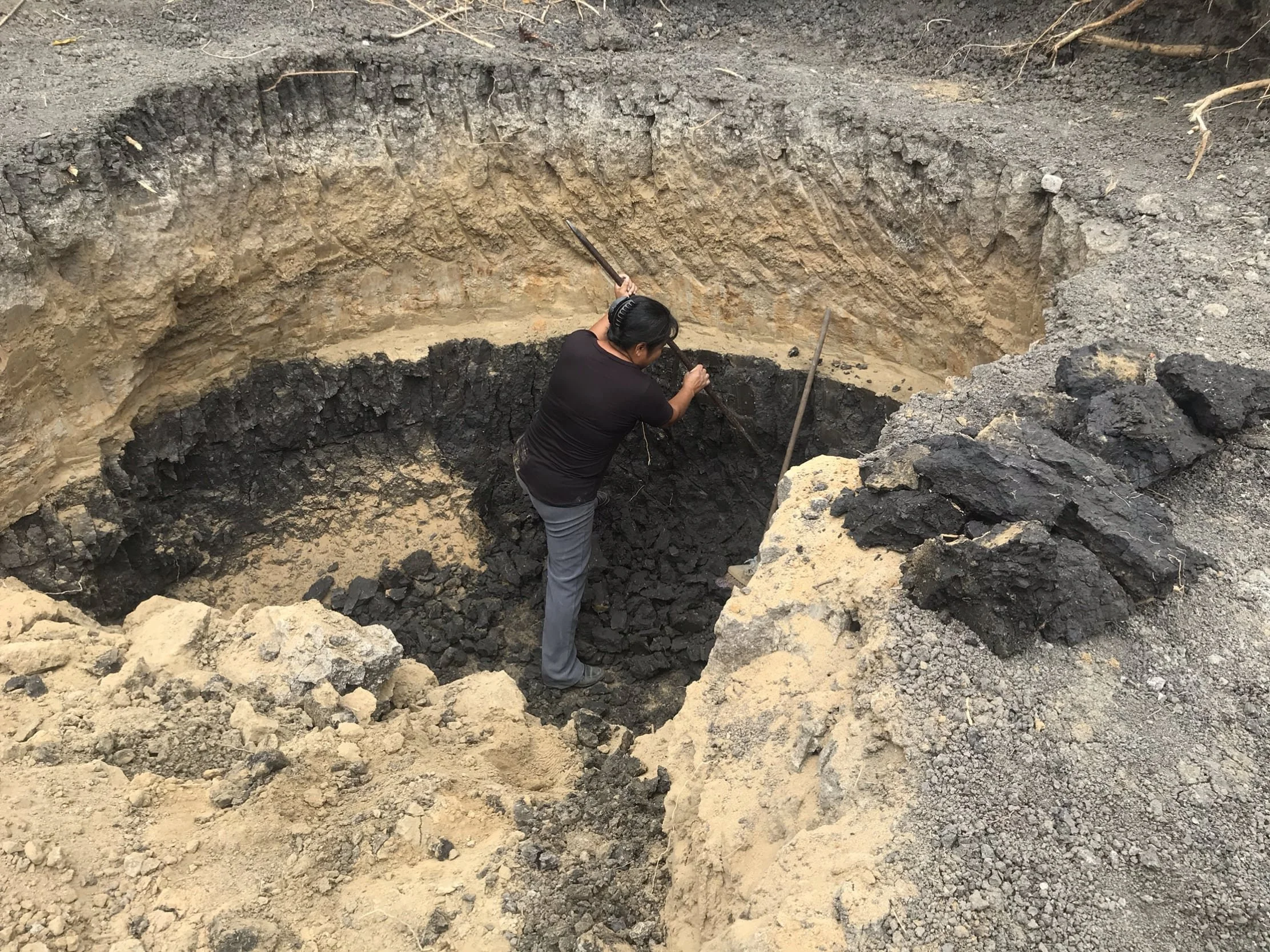
Ha! This is quite fun. I did not know that people ate clay. And I did not know that it is quite a widespread practice! One of the places mentioned in this article about people eating clay is Kentwood, Louisiana, which is just an hour away from Baton Rouge (where I lived for five years). And I had no idea then that people would come to a specific spot and take some clay home to… bake. And eat. It is not that surprising that clay is eaten–rich in minerals, it’s a natural mineral supplement.
5. Obsessed: A Man and His Mold - Serious Eats
It is a true reflection of my personality that I am far more interested in different moulds we eat than clay. Koji is a wonder-mould of sorts. When a cooked grain is inoculated with spores of it, the koji quickly grows over the grains and digests the starches and proteins, converting them into sugars, amino acids (umami!) and a host of other things. Even if you’ve never seen koji as is, you’ve probably eaten or drank something made from it–soy sauce, miso and sake are the best-known examples. This is an interview with Rich Shih, who is obsessed with koji, experiments tirelessly with it, and uses it to build community with people online. What’s not to love!

6. Fathomless Fungi: Monsoon Mysteries on Goa’s Forest Floor - RoundGlass Sustain
More about fungi! This has lovely images. It also has some fascinating (and disconcerting) pictures of parasitic fungi taking over the bodies and minds of hapless insects. Nature is quite metal.

7. How Momo Aunties Changed Delhi - Third Eye Magazine
This is also nice to read (and look at). Momos are a popular street food in India, and in Delhi they seem to have taken on a wide breath of character. Initially seen as a foreign food, as momos are a cultural import from Nepal and Tibet, momo stalls have now become ubiquitous. This essay focuses particularly on Dolma Aunty Momos, a stall in central Delhi named after its chef Dolma Tsering. She has sold momos for a long time, so much so that she is considered an authority in the field and is sought after for advice and mentorship.

8. A Cook Who Never Used a Cookbook Now Has Her Own - The New York Times (soft paywalled)
Emily Meggett is another revered figure in her local food world. She’s 89 years old and comes from the Lowcountry region of South Carolina. She seems to be a cultural institution by herself, cooking regularly for a community center and her church. She now has a cookbook of her own, in which most recipes serve ten people. This is an accurate reflection of her cooking, as she is comfortable cooking for big groups of people, and if her side door is ever open, it means you can step in for something to eat. She is quite inspiring.
9. Inside the secret world of tennis umpires: ‘You can’t be the player’s friend’ - The Guardian
Tennis umpires, at the professional level, have assistance from line judges and a host of technologies available to them to perform their umpiring. However, in certain aspects, this has not made their lives easier. They have to often deal with upset, rude, boorish and uncooperative tennis players. More than anything, it is a psychological exercise now, especially when you read about the kinds of advice senior umpires give to their juniors: e.g., “by calling it [the score] early, umpires can shut down the doubt in the player’s minds and support their line judges”.
10. The Irreplaceable: Palm Oil Dependency - London Review of Books
I am a big fan of Bee Wilson’s writing, and I learnt a lot about the history and trajectory of palm oil from this essay. Right now, palm oil is by far the most consumed fat on the planet, and it almost has a life of its own as it guides and shapes the actions and lives of millions of people (and billions of consumers!)around the world.
Cheap palm oil is part of an interlocking late capitalist system. When we say there is a demand for RBD palm oil, we mean there is a demand for instant noodles and foamy shampoo in plastic bottles and cheap ice cream all year round. Robins notes that campaigners tend to be more hostile towards palm oil than towards other tropical products such as cocoa and soy which also pose threats to ecosystems. He suggests that this hostility comes down to the fact that ‘palm oil is perceived as being in things, rather than a thing in its own right.’
See you next week!-Kat.