Reader, please accept my midweek greetings. This is Vishal with another issue of Kat’s Kable, where I share good ten things to read from the corners of the internet. I really don’t have too much to say this week, apart from the fact that I slowly but surely seem to be getting back to (book) reading habit that is closer to what I had last year and before that too. I will say that I didn’t send out the Kable on Sunday because I was engrossed in a book and wanted to finish it quickly. Right now I’m reading All the Birds in the Sky by Charlie Jane Anders and it’s fun! I will probably finish it now just after I send the newsletter. Toodles, then, and I hope you enjoy this week’s list as usual.
If you got this from a friend and want to subscribe, here’s the link. Also, if any of the links are paywalled and if you don’t want to pay for a subscription, try opening the link in incognito mode in your browser. This works if the website has a “soft” paywall. If that doesn’t work, you can access the website using a different browser on the same device, or use a different device altogether. Another, slightly involved, method is to try to disable JavaScript and reload the page. This works on some websites for me.
1. They Bent to Their Knees and Kissed the Sand - The Atlantic (soft paywalled)
The Chagos archipelago is located near Mauritius and was (and still is, really) a colonial outpost of the British. During the Cold War, the US wanted to establish a military base there, so the 2000 or so people there were removed. International law stated that the islands could be separated only if they had no permanent population, so that’s what Britain ensured. Now, many Chagossians and trying to win back access to their homeland, which is an admirable fight. This essay has details of the legal efforts that some Chagossians have made, ranging from winning back the right to return to their homeland to deeming Britain’s actions illegal at the outset.
2. The ghostly radio station that no one claims to run - BBC Future
Apparently there’s a radio station that anyone in the world can listen to on 4625 kHz. Nobody knows who runs the station, and what the point of it is. It’s usually static but once in a while someone will say a couple of words in Russian.
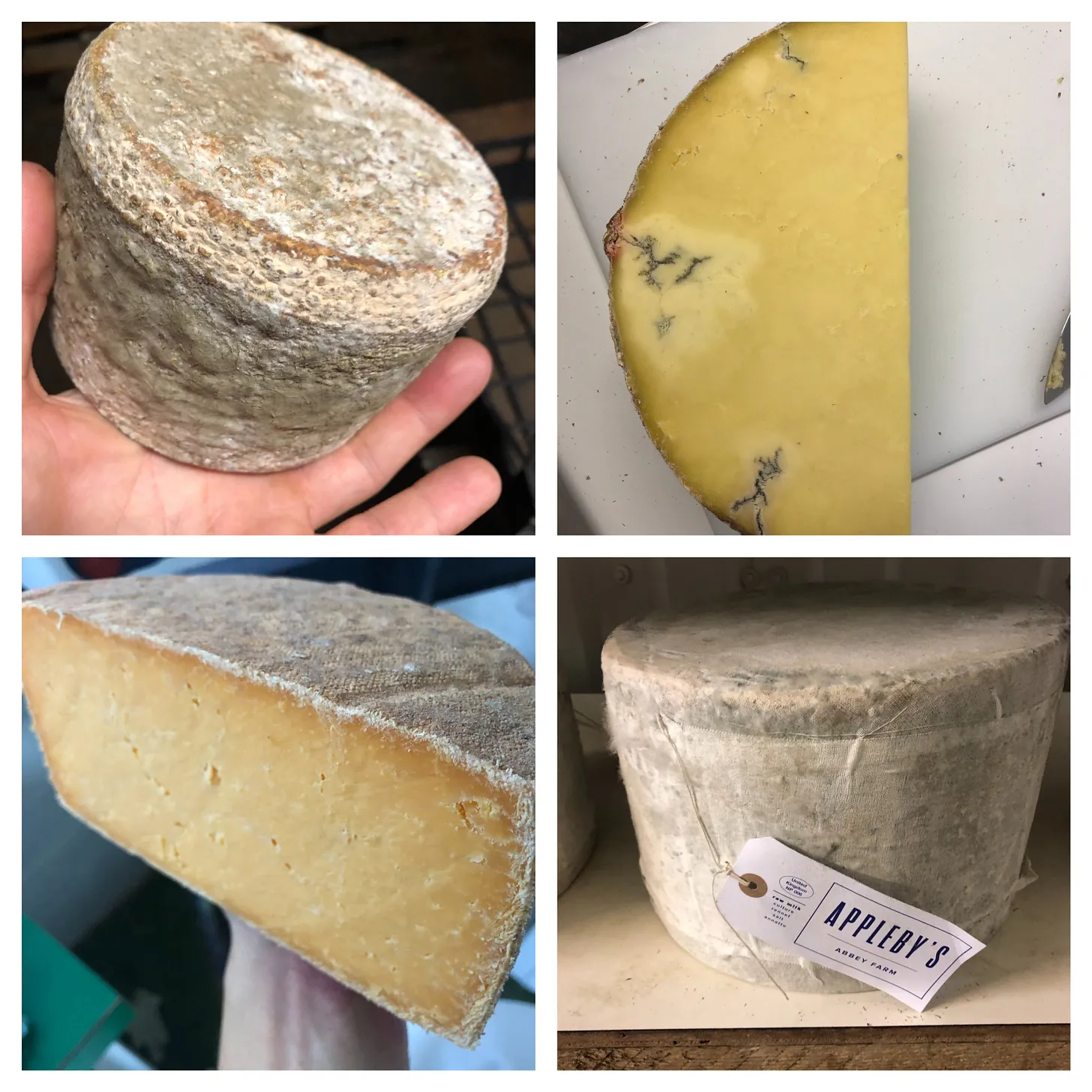
3. Beyond the Raw/Pasteurized divide - Milk Trekker (on Substack)
I don’t eat dairy, but I still found this post about cheeses to be quite interesting. I think that generally cheeses are divided into “raw” and “pasteurized”, but Trevor Warmedahl in this post argues that it is far more nuanced than that. There are degrees of heat that can be applied. For example, you can keep the milk in the “mesophillic” temperature range, which is 10-40C. That results in a very different cheese than what you’d get if you stayed between 38-42C, where you engage both mesophillic and thermophilic bacteria. I like fermentation and so I really enjoyed learning about this.
4. Controversy Continues Over Whether Hot Water Freezes Faster Than Cold - Quanta Magazine (soft paywalled)
Ha! This is known as the Mpemba effect, named after Erasto Mpemba, who as a 13 year-old student in Tanzania, found that hot water froze quicker than his peers’ cold water while they were making ice cream. We still don’t have consensus, though, and I find that really funny. There are many plausible reasons why it may occur. However, some scientists say that the effect itself may be false, attributed to errors in measurement, such as placing a thermometer at the edge of the sample rather than at its center.
5. An unlikely elixir - Current Conservation
This isn’t really a long read, but it’s a nice introduction to snake venom as an elixir and drug. There are indications that the venom can be used to treat ailments such as infertility. And already, it forms part of drugs such as Tirofiban, which is used to treat unstable angina.
6. After the Zodiac Killer’s ‘340’ Cipher Stumped the FBI, Three Amateurs Made a Breakthrough - Popular Mechanics
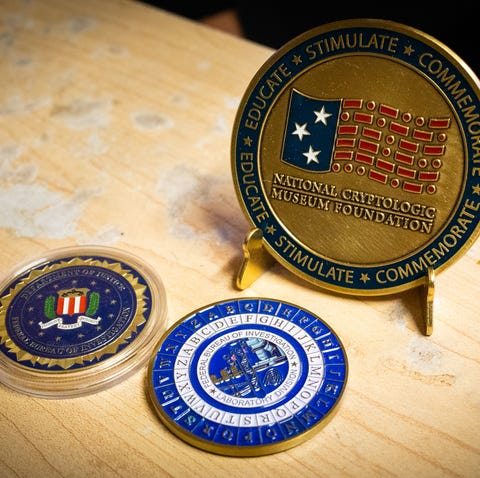
I hadn’t known about the Zodiac killer, a serial killer who terrorized people in the 60s in the US. His most outrageous stunt was to publish a long encrypted cipher, which was 340 letters long, in the San Fransisco Chronicle. Decades later, a group of three enterprising folks put their heads (and supercomputer access) together and decoded the cipher. Part of what made it hard to decode was that the encryption itself was done in a seemingly random manner, with a number of different techniques applied in haphazard ways so as to escape detection.
7. How Istanbul Became the Global Capital of the Hair Transplant - GQ
Ha! Wow. This is fun to read.
“Transplant surgery has gotten extremely good—and extremely expensive. But in Turkey, a brand-new hairline (and a stay in a plush hotel) are available for a fraction of the cost of a stateside clinic. Our writer hopped a flight to go under the knife and find out if it was all too good to be true.”
It’s a weird phase. Your head looks even worse than it did before the surgery; this will last for months. (Unlike fillers or botox, a hair transplant is not a treatment with plausible deniability.) A few weeks after the operation, the relocated hairs go through something called “shock loss,” aka a “shedding” phase, meaning that most of the new hair actually falls from your head. It’s expected but it’s demoralizing; on Reddit it’s known as the Ugly Duckling phase. Under the surface, however, the transplanted follicles are effectively taking root and growing before finally bursting through with a vengeance in months four, five, or six. (Hopefully.) You won’t know the true results for a full year. This is always a leap of faith, but all the more so if your surgeon is all the way back in Turkey.
8. How OXO Conquered the American Kitchen - Slate
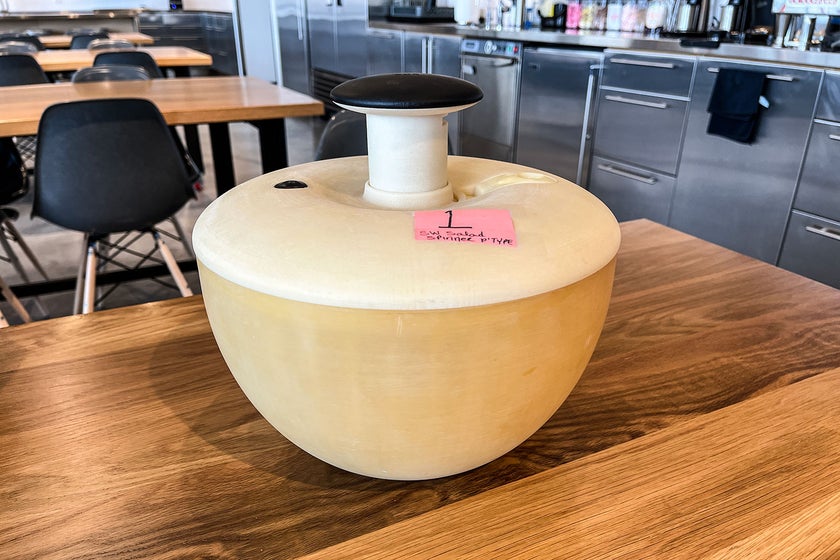
I’d shared another piece about Oxo’s peeler way back, in issue #178: The Untold Story of the Vegetable Peeler That Changed the World. It’s a cute story, of how the first peeler was invented by the founder of Oxo because regular peelers weren’t easy to use for his arthritic wife. Oxo has made a lot of products now, and most of them are very good. I enjoyed this article about their design and engineering practice and the factors that have led them to become a mainstay in American kitchens.
9. What the Mississippi Delta teaches me about home—and hope - National Geographic (soft paywalled)
Disclaimer: this piece was published in June 2020, so it’s tinged with pandemic reflection, as almost everything written at that time was. But it’s really nice, a tribute to home as a place and a marker for nostalgia.
Sitting there with her, in a place where something used to be, I never felt more strongly connected to my hometown. I grew up serenaded by the lullabies of vanished worlds. By songs of regret and decay. Now I find I crave those feelings. I find myself communing with them, seeking them out, as if the bittersweet in them might inoculate me against future pains and regrets.
I’ve been worried the virus might leave a similar inheritance for my daughter. I worry that she, too, might grow up surrounded by stories of places lost, of how things used to be. I wondered if bringing her back here was good or bad, whether to sit tight or run from that spot.
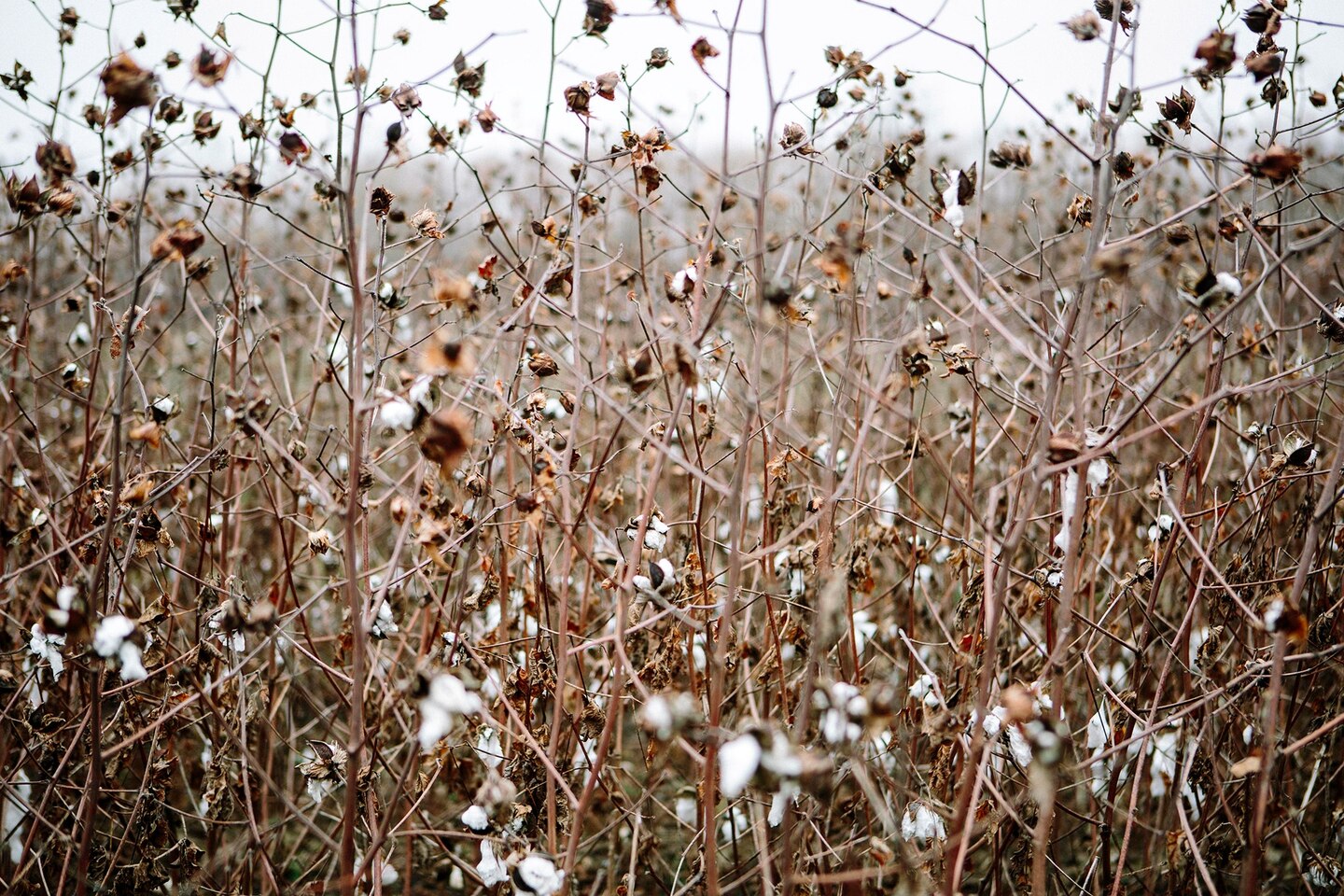
10. The Fading Ways of Indigenous Arctic Hunters - The New Yorker (soft paywalled)
Enjoyable short essay paired with wonderful photos.
