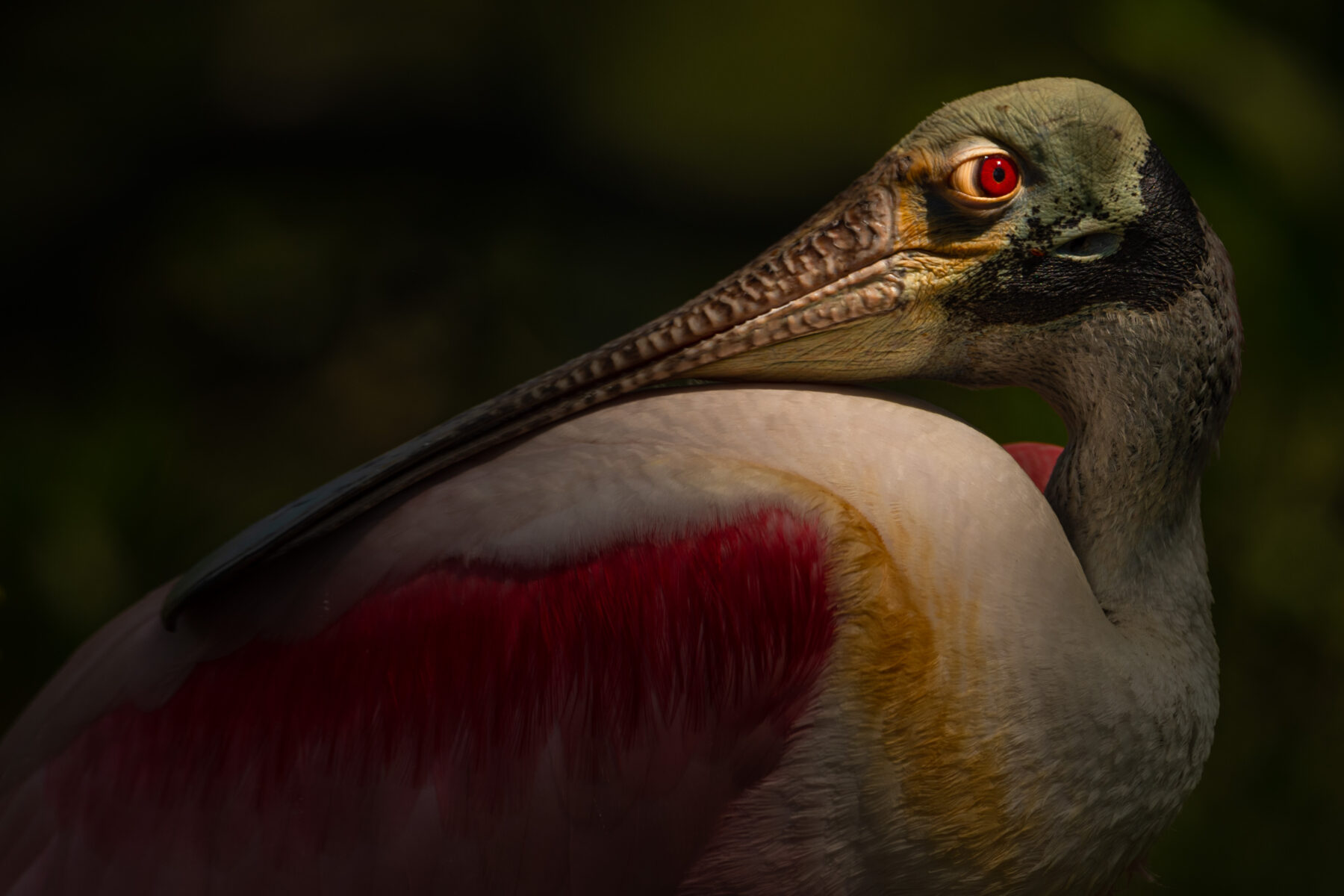
Hello there, reader, and welcome back to your favourite internet newsletter Kat’s Kable. I was busy with a bunch of stuff this past week and even though that doesn’t explain my absence last weekend, I will cite it as the reason regardless.
I’ve not been trawling my usual feeds as frequently these days as I used to, and an effect of that is that I’m approaching that magical moment where I will soon finish reading all the articles I’ve saved to Pocket (the read-it-later service/app). Absolutely amazing. There have been times when I’ve had backlogs of 200+ articles to read and now I’m down to about 10. One of the reasons this is happening, aside from the simple fact that I’m spending less time finding things, is that I have a much higher threshold now for what I even want to read. There are so many types of articles and essays I’d have read earlier and I simply won’t even touch now. I guess it’s a recognition of the fact that my reading time is precious and I can’t, or won’t, read things that don’t appeal directly to me. And secondly the reading time is precious because I seem to be able to carve less and less of it out for myself these days. So yeah, I think this is a good way to go about it.
At some point, I’d like to do some quantitative analysis of all the articles I’ve shared on the newsletter so far. Given that we’re over 300 issues in, there’s about three thousand articles. I’m curious to know what the primary sources are, how that’s changed over time, have my descriptions and summaries gotten shorter or longer, and so on. The next time I take a break from the newsletter, I think I’ll spend a couple of evenings working on this. It’ll be fun, I think.
As always, just reply to this email if you wanna say something, and please do, because I love hearing from you.
If you got this from a friend and want to subscribe, here’s the link. Also, if any of the links are paywalled and if you don’t want to pay for a subscription, try opening the link in incognito mode in your browser. This works if the website has a “soft” paywall. If that doesn’t work, you can access the website using a different browser on the same device, or use a different device altogether. Another, slightly involved, method is to try to disable JavaScript and reload the page. This works on some websites for me.
1. The Little-Known World of Caterpillars - The New Yorker (soft paywalled)
Elizabeth Kolbert’s journalism is always fun to read, and it’s no different here. This long article is a profile of David Wagner, an entomologist at the University of Connecticut. It seems like one of his favourite activities is to spread a nylon sheet under a bush and then whack it hard to see which bugs fall out, so much so that he’s even instructed friends to do it at periodic intervals in their geographies. It’s really fun to read about someone who takes their passion so seriously and dedicates their life to it, so much so that they even believe their passion is why they’re no longer married.
Wagner likes to say “It takes a village,” by which he means that no one person, no matter how ardent, can beat every bush. During the last decade, he has built up—or, you might say, collected—an extensive network of helpers. Some have professional training in entomology; others are amateurs he has persuaded to keep an eye out for strange-looking larvae. Still others own ranches where rare species might lurk, or know people who do. Not infrequently, his collaborators FedEx him their discoveries.
2. He Who Fishes - Guernica Magazine
Really nice story by Garen Torikian about how kids in his village growing up would be given their surnames only on their fifteenth birthday depending on the skill in which they displayed aptitude. The author’s grandfather was a master fisher (and thus got his surname), but Garen never made it to be a good fisher himself. The essay is marked as Fiction, so I’m honestly not sure if this is true or not, but it is fun to read nonetheless.
3. Effortless Grace - Coonoor and Co.
I’ve shared a couple of really nice articles from Coonoor and Co. already, and this one is no exception. The author Jenny Pinto talks about how an increasing number of people are moving to the Nilgiri Hills after spending some in unyielding urban areas and careers, and how the Nilgiris offers “with effortless grace”.
Whatever forms and functions “gathering” takes in our lives, it is the gathering of self that is something most of us strive for all our lives. Finding the missing pieces, gathering the grace and gratitude to find joy in what we have. That is something these mountains, and all mountains, help you do. Losing, finding and gathering yourSelf. As John Muir wrote, “Into the mountains I go, to lose my mind and find my soul.”
4. How Writers Lose When ‘Piracy’ Gets Harder - Publishers Weekly
This is a pretty old essay (from 2013) by Cory Doctorow and it raises a bunch of interesting points. Basically, if you are an author, being obscure is a bigger problem than piracy of your work. And essentially if piracy can create more new sales (via increased visibility) than it costs, then it’s a net good for the author. Finally, a lot of the online tools that have been developed to control piracy (this is back in 2013, remember) hearken back to and necessitate a much smaller internet, one without as many public forums, places to share what you’ve made, and so on.
When the entertainment titans of the last century struggle to lock down the Internet, they claim it’s to stop piracy and protect artists. But if they shut down the Internet and all the innovation and opportunity that comes with it, who will protect us from them?
5. The last word on curry - Paticheri (Deepa Reddy’s blog)
I’m a big fan of Deepa and her writing both on her blog and Instagram. I even had the honour of a joint Instagram post a few months ago when we wanted to learn more about the use of certain native woods and plants in the making of the famed wootz steel of South India (post here). This essay is about the word “curry” and what it means, or if it means anything at all in the modern sense of the word especially with modern usages of the word. It’s pretty interesting to realize, via Deeepa’s explorations, that the word curry essentially boils down to “kari” which in Tamil means “black”. As always, engaging writing and lovely photography.
6. Why I adore the night - The Guardian
I’ve mentioned this earlier in the newsletter too, and maybe more than once. I really love the idea of seasons, especially coming from a tropical country like India. I loved my time in the US because of the pronounced differences between summer and winter. This 2009 essay by Jeanette Winterson (ha!) about the virtues of nights and particularly long nights in winter is really lovely.
I have noticed that when all the lights are on, people tend to talk about what they are doing – their outer lives. Sitting round in candlelight or firelight, people start to talk about how they are feeling – their inner lives. They speak subjectively, they argue less, there are longer pauses.
To sit alone without any electric light is curiously creative. I have my best ideas at dawn or at nightfall, but not if I switch on the lights – then I start thinking about projects, deadlines, demands, and the shadows and shapes of the house become objects, not suggestions, things that need to done, not a background to thought.
7. Highway Star - n + 1 Magazine
Meg Bernhard writes about her time with trucker Jess in the US, and it’s really fantastic. She spends a bunch of days with Jess on the road, and explores the various aspects of Jess’ life, both on the road and off. Jess is also part of REAL Women in Trucking, which is an advocacy group focused on labour rights in particular for women truckers. This long piece winds around, just like Jess on her long journeys across the US and ranges from the mundane (how do you use the toilet) to the profound (Jess trucking around and not having a home is what enables her daughter at least to have one).
8. Where to Find the Energy to Save the World - Wired (soft paywalled)
Looks like it’s back to back profiles of cool American women in this issue of the newsletter. This Wired profile is about Jamie Beard, a woman who’s pouring all her energies into converting the USA’s massive oil drilling infrastructure to geothermal (controversial!). At the same time, she’s also contending with and dealing with the fact that her young son is expected to only live to ten years of age because of a disorder called MPS type II. It’s a really poignant piece, and the author of the profile, Maria Steshinsky, does a wonderful job especially with comparing Beard’s pre-emptive grief with her own grief at losing her husband to cancer over the course of writing this article.
9. A peek inside Japan’s largest Dagashi store - One from Nippon Blog
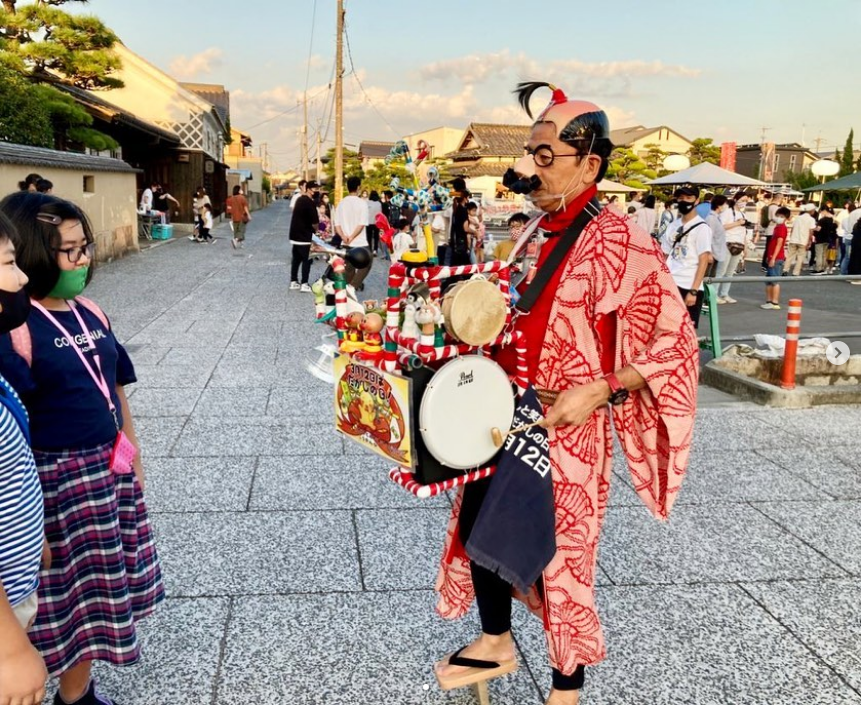
“Dagashi” refers to small inexpensive sweet confectionery and snacks. Once considered to be a dying business, it is being resurrected by Hideyuki Akiyama who has opened a 25,000sqft Dagashi store with a rotating stock of over 50,000 types of dagashi at any given time. It’s crazy and wonderful! He’s the CEO of the company but he also does silly stuff like walk around in a costume and entertain kids at the store.
10. Editorial Vibrant Encounters: Melissa Cormican’s Colorful Animal Portraits - The Independent Photographer
Gorgeous photographs.