Well, hello there, reader. This is Vishal with another issue of Kat’s Kable, where you receive your weekly assignment: read the nine or ten articles I share, or else.. well, I’m kidding. It’s that time of the year in Mumbai when we complain about the air quality, try to console ourselves by comparing it with other Indian cities, and so on, but really, it’s bad. The levels of air pollution we live with are terrible, and personally, I can’t wait to live in better air (by moving out), but there’s a lot to be done to make our cities more liveable and less actively hostile towards us.
I missed last week’s newsletter because, well, there was a lot going on! I’m not sure if it’s a me thing or a circumstances thing, but there is a pretty clear mismatch right now between the things on my plate and the bandwidth I have to attend to them all. I’m doing a few things: starting my days off well, carving out my own pockets, and journaling, but it all seems miniscule. I’ve been toying with the idea of taking a break from the Kable, but I shan’t do that just yet.
I made a new dish for lunch today, baingan bharta, which I am very pleased about. I’ll be off now, about to potate and watch the cricket match and ponder what to make for dinner in an hour’s time. Peaceful choices.
If you got this from a friend and want to subscribe, here’s the link. Also, if any of the links are paywalled and if you don’t want to pay for a subscription, try opening the link in incognito mode in your browser. This works if the website has a “soft” paywall. If that doesn’t work, you can access the website using a different browser on the same device, or use a different device altogether. Another, slightly involved, method is to try to disable JavaScript and reload the page. This works on some websites for me.
1. The Truth is Always Made of Details - Raptitude
This essay from David Cain’s blog Raptitude reminds me of On the nature of elegance from issue #321. It’s a meditation on how looking closer at things reveals more, and how real things exist in “essentially infinite resolution”. This point is made in combination with the fact that the Information Age is pushing us to mile-wide centimetre-deep perspectives and “low-res conclusions on questions that warrant deep, long, high-res consideration.” Good reading.
2. The Balkans’ alternative postal system: an ad-hoc courier’s tale - The Guardian
This is an edited version of a piece that was runner-up in the European Press Prize 2023. It’s brilliant! Ilir Gashi talks about his experience working as an informal courier in the Balkans, and the ad-hoc yet somehow systematic system that exists to carry items, parcels and documents from one part of the region to the other, often across country borders.
Who would you trust more: a) a company with a slogan that guarantees your shipment will be delivered in the next 48 hours, and offers you the possibility to follow your shipment through a special code; or b) a driver who, when asked “When will it arrive, approximately?” – asked bashfully so as not to appear as if you are, God forbid, rushing him, because he has every right to get there whenever he wishes – first looks into the distance, inhales a smoke, and exhales: “It depends on the rush hour, but not before nine”? And they always give you a time that’s too early. Better for you to wait, than for the whole bus.
Somehow, for an astonishingly high number of people in the Balkans, the answer is b.
3. It from Qubit: The Last Hurrah - Quantum Frontiers
Another essay that throws me back to my PhD days. The “It from Qubit” collaboration was funded by the Simons Foundation for many years and has just come to an end. At its base, it attempts to tie together the material world (“it”) and the quantum information theory/quantum gravity world (“bit”). It’s an ambitious project, and by no means fully done. John Preskill, one of the key proponents of this global effort, talks about the project in his characteristic engaging, humorous and scientifically accurate manner.
4. All I wanted was a swimming pool. What I got was a $31,000 lesson in Zelle fraud. - Business Insider
Well.. this is funny. It takes a certain amount of gumption, or courage, or whatever you will, to write about being at the center of a scam. It reminds me of what I often tell my friends about some pickle or the other I get stuck in: “I have the popcorn ready and this is really funny, with the only snag being that I’m at the centre of it all”. On a more serious note… it looks like Zelle (a US-based bank-to-bank money transfer platform) is seriously flawed. It’s owned by a consortium of banks but they seem to have no interest in keeping it safe and up.
5. Menstruating in Silicon Valley - Rae Katz on Substack
Rae Katz founded a Y Combinator-funded startup in Silicon Valley, successfully secured an exit in 2020, and now talks about her slow move out of the Valley especially as she saw it as an inhospitable place for women. Pretty hard-hitting but also poignantly written.
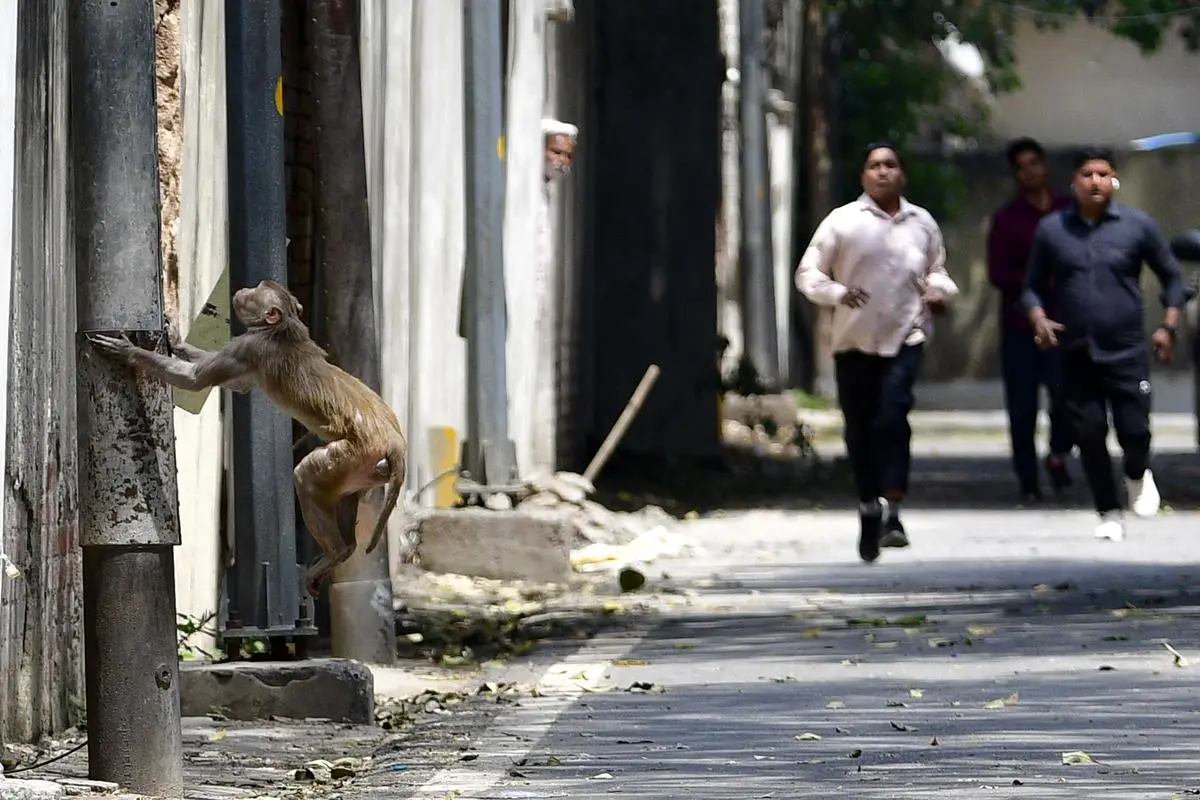
6. The monkey whisperers of Delhi - Frontline
Khan understands monkeys like no one else does. “Just like humans, the monkeys also have a pradhan (head),” he said. “They also have informers. They recognise us monkey chasers. If we skip one day, one of the monkeys will inform the other monkeys and all of them would just come out to attack. The news travels fast with them.” Further, he said that monkeys were very smart animals who could recognise monkey chasers by their body language and smell.
“The trick is to create fear in the monkeys and not hurt them, scare them enough so they don’t cause destruction or panic,” he said.
7. Changing Landscapes, Altered Realities: The Making of Arikomban - The Wire Science
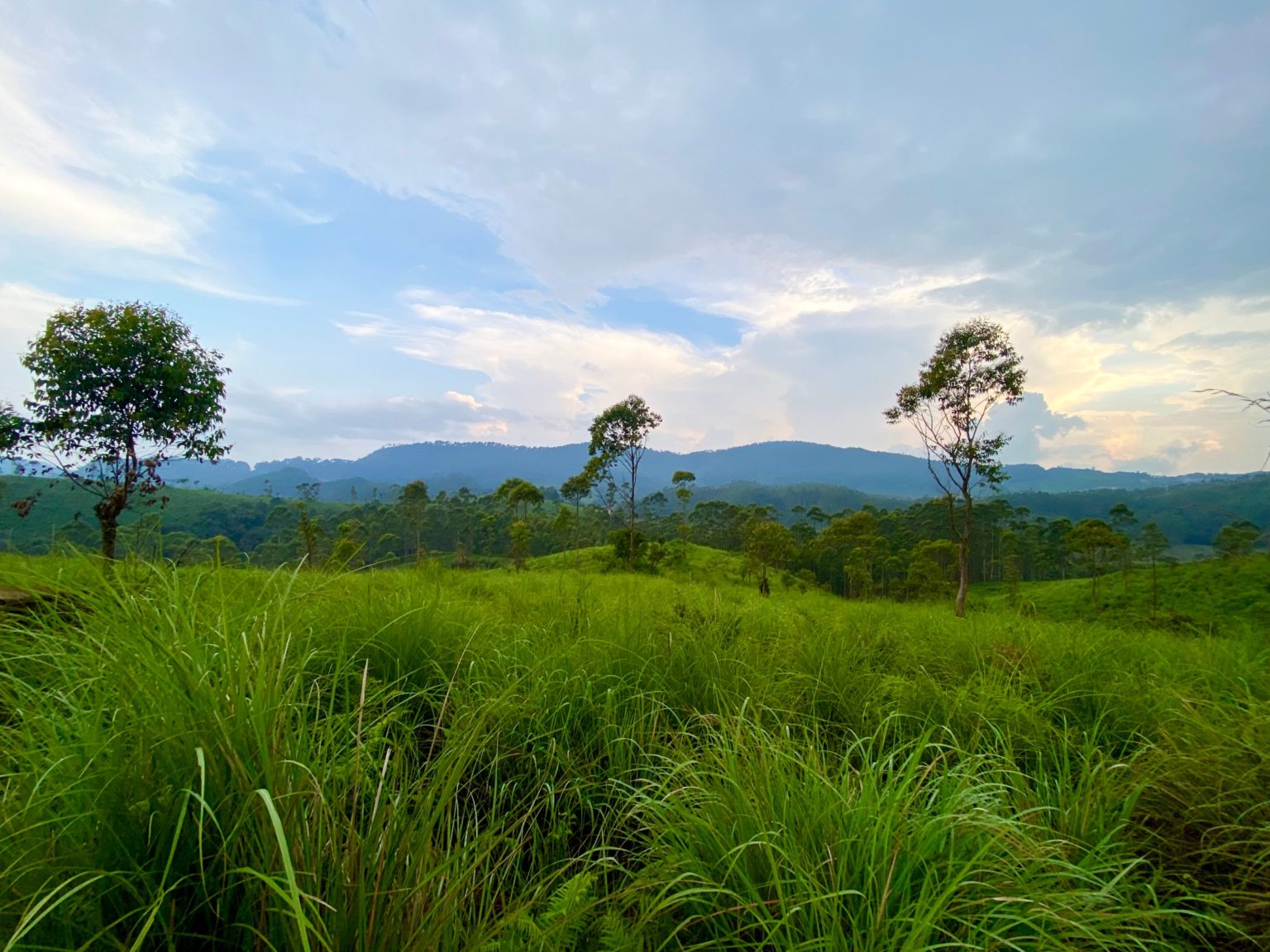
“Arikomban” is an elephant, whose name translates to “rice tusker” because of his fondness for rice and his willingness to enter human-use areas in search of it. Nice account overall of the now continuous conflict between humans and elephants across South India.
8. As We May Think - The Atlantic (link via Web Archive)
Phew! This is really good. It’s a post-WW2 essay by Vannevar Bush about what scientists’ research priorities could, or should, be as they move past their intense involvement in wartime research and development. It has a lot of far-reaching ideas which seem quite sensible right now and obviously are prophetic given that they come from 1945.
9. In Telangana, Experimenting With a Low-Cost Way To Improve Soil Fertility - The Wire
I was lucky to do my permaculture design certificate course at Aranya Farm in Telangana, India last year. This is a nice overview of the farm, their educational efforts as well as their efforts in the upliftment of farmers especially marginal ones in their state and the neighbouring one of Andhra Pradesh. In particular the one solution highlighted in this article is the conversion of cotton crop residues to biochar, a valuable agri-input.