Hello there, reader! Welcome back to another issue of Kat’s Kable, and ten great things from around the internet. This issue, in fact, has more than ten - one of the items is a list of essays by itself, and it’s titled “Why your cat is weird” - need I say any more? It’s 7am on a rainy gloomy Tuesday morning as I type this out, and I’m loathe to go into work but I’m also enjoying a nice cup of coffee to get me started. The funny thing is that coffee’s caffeine does absolutely nothing for me - no jitters, no wakefulness, no added burst of energy. There’s another nice piece this week about the origins of adding chicory to coffee - how that started in France and got exported as a practice to multiple parts of the world.
I gotta go now. A busy day awaits me, and I shall be off to meet it. Enjoy this week’s reading, and I’ll no doubt see you again very soon.
If you got this from a friend and want to subscribe, here’s the link. Also, if any of the links are paywalled and if you don’t want to pay for a subscription, try opening the link in incognito mode in your browser. This works if the website has a “soft” paywall. If that doesn’t work, you can access the website using a different browser on the same device, or use a different device altogether. Another, slightly involved, method is to try to disable JavaScript and reload the page. This works on some websites for me.
1. Our Braided Bread - Longreads
Really nice piece from 2022 by Benjamin DuBow, a writer and chef, about how he feels the need to “perfume the air around me with the sweet scent of challah” in Iowa in a way he never felt in New York. I love reading about food and culture, and this one felt especially nice considering it’s about community and bringing people together.
I do enjoy having an audience, it’s true. But I’ve learned that it’s even more satisfying to be alone in my kitchen-cave and hear the heartwarming chorus of hellos and how’ve-you-beens as more friends arrive, grab a drink, and gather by the fire to unwind and warm. (Heart, stomach, cheeks, toes.)
2. Fighting Through Mental Struggles: Incredible Renderings Created with Only a Pencil - Core77
Sometimes I feel a slight bit nervous and ashamed sharing these pieces on Kat’s Kable given that they’re more like email forwards circa 2005, but at the same time they’re wonderful and a good break between longform and sometimes heavy pieces. Kohei Omori’s journey from OCD diagnosis in high school to creating these marvelous pencil drawings is just wow.

This is made just with pencils! Amazing.
3. How to Be a Kimchi Goddess in Bengaluru - Goya Journal
I love following Saina Jayapal on Instagram because of her wholesome stories about Bangalore, food and community. This article is about how to shop for Korean groceries in Bangalore, and it’s really sweet. As an aside: I’ve found myself recently using the word “sweet” quite often, and sometimes I can’t disambiguate between sweet as in “that was so cute, so sweet” and sweet as in “that trick was really cool! Sweet.”.
4. Why Your Cat Is Weird - Pocket
What a fun list! List-ception - this is a list that the folks at Pocket have put together. With titles like “Can a cat have an existential crisis”, “why do cats knead” and “the great European house cat migration”.. well, need I say more?
:extract_focal\(\)/https%3A%2F%2Fs3.amazonaws.com%2Fpocket-collectionapi-prod-images%2F2f35b047-dc7e-4012-bdd7-84ad7eb75e36.jpeg)
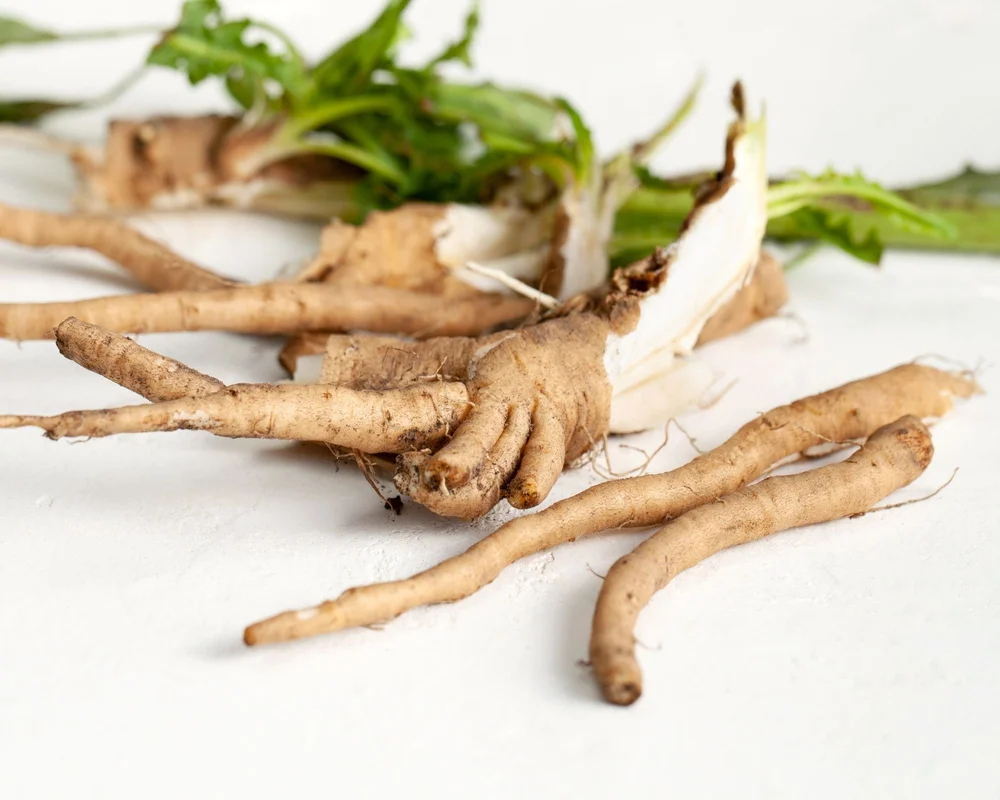
5. How Did Chicory Become the Villain in our Coffee? - Goya Journal
I’ve been drinking a lot more coffee lately (4x/week) than I ever have, and I’ve really been enjoying learning more about it in terms of the processes involved (roasting, which brewing methods bring out which roasts better and so on) as well as the history and future of coffee. This article by Brandon Langston delves into the history of chicory and its addition to coffee - underlined by a common theme of adding chicory to coffee to make it last longer and make it more accessible.
6. Collections: So You Want To Go To Grad School (in the Academic Humanities)? - Bret Devereaux’s blog
I’ve actually refrained from sharing this for a while now, and it’s only because I’m quite short on articles that I am doing it now. Devereaux usually writes about history and warfare, and I’ve shared a bunch of his writing in the past, but this one is a bit of meta-writing - it’s about grad school in the humanities and how the odds are kinda stacked against you when you do that.
7. In the Gut’s Second Brain, Key Agents of Health Emerge - Quanta Magazine
Really cool article (again, from a while back) about the glial cells that are in our digestive tracts and how they actually do a lot of stuff coordinating our digestion and serving as a sort of second brain. Second brain is not too inaccurate here because there are so many nerve endings down there.
It’s becoming ever clearer that the neuron doesn’t act alone in the enteric system, he added. “It’s got these beautiful partners in glia that really allow it to do its thing in the most efficient and effective way.”
8. They Studied Dishonesty. Was Their Work a Lie? - The New Yorker (via archive.today)
When I was younger, I used to positively gobble down behavioural psychology books, and love parading their insights around to all and sundry. This long-ish essay is about Dan Ariely and Fransesca Gino, two very popular behavioural psychologists/economists who wrote and talked about what was (and is) considered as very sexy work, but is also founded on fabricated data. Phew.
9. The Naturalist and the Wonderful, Lovable, So Good, Very Bold Jay - Hakai Magazine
Such a sweet article! How could you resist learning about Canada Jays, especially when the essay opens with an 81 year-old ornithologist Dan Strickland attracting a bird named Will Koser with a piece of bread and the next paragraph opening with, “This is not Will Koser’s first encounter with baked goods”. Canada Jays are corvids, and they are smart - they overwinter very well because they store their winter food in safe stores and caches across a wide area, and remember where all of it is - this enables them to raise their chicks earlier in the season and hence have a head start on growing up.

10. Caring for a Rainforest - Nature in Focus
Lovely telling by Suprabha Seshan about the Gurukula Botanical Society in Kerala, India and how she’s learnt about the rainforest, about natural succession, and about life generally finding a way to “restore” the land even without thinking of it as “restoration”.