Well, hello there, reader, and welcome to another issue of Kat’s Kable - your favourite newsletter with ten great things to read from across the internet. In a throwback to older times, I’ve written this up so I can schedule it for 8am IST on Sunday morning. Woohoo! Lots of interesting things today - ranging from bookcore fashion styles to Indian giant squirrels and precariously balanced rocks. I’m pretty pleased. I’ve also been spending a lot of time cooking and baking this past week, and feeling like that muscle is coming back to me. It’s nice and familiar and giving me forward momentum as I continue to spin my hobby flywheel.
If you got this from a friend and want to subscribe, here’s the link. Also, if any of the links are paywalled and if you don’t want to pay for a subscription, try opening the link in incognito mode in your browser. This works if the website has a “soft” paywall. If that doesn’t work, you can access the website using a different browser on the same device, or use a different device altogether. Another, slightly involved, method is to try to disable JavaScript and reload the page. This works on some websites for me.
1. Choose Boring Technology - Dan McKinley’s blog
McKinley was principal engineer at Etsy until 2014 (and this is a 2015 blog post) where he worked with Kellan Elliot-McCrea, the company’s CTO. Kellan’s motto, or at least one of them, was to embrace boredom, which McKinley writes about here and is actually quite interesting and fun to read about.
2. Bookcore: How Everyone Is Dressing Like a Bookstore Regular - Die, Workwear blog
Fun! 2022 piece about the mainstream-ization of bookcore, or bookstore-core at least, dressing.
Bookcore is an amalgamation of the last five years of trends: normcore, gorpcore, dadcore, vintage, 1990s sportswear, American trad, Westernwear, Native American jewelry, pleats, dad caps, wide-legged trousers, oversized eyewear, Balmacaans, leather blazers, Patagonia, chunky sneakers, intentionally ugly shoes, etc. When rolled into one glorious outfit, this is the aesthetic of your bookstore regular. It’s the person who listens intently to an author talk about Victorian fashion, Tibetan pottery, or the renegade anthropologists who reshaped our understanding of class in the 20th century. It’s the Volkswagen outside with an interfaith COEXIST bumper sticker written in different religious symbols. It’s someone who attends every symposium with two names sandwiching the phrase “in conversation with.” It’s the person who gets up to the mic and has more of a comment than a question.
Bookcore is not a singular aesthetic, but a collection of aesthetics that can remind you of whatever independent bookstore is near you. For me, the style is rumpled, elegant, comfortable, eclectic, and somewhat granola crunchy. Many of the outfits remind me of Avery Trufleman’s recent tweet: “Having style is being unafraid to look totally deranged.”
3. We Live Like Royalty and Don’t Know It - New Atlantis
I like Charles Mann’s writing, and this is no exception. This is actually an introduction to his new series called “How the System Works” - a series on the hidden mechanisms that support modern life. In laying the land out here, Mann says that we are very lucky to live surrounded by systems that support a luxurious lifestyle as compared to historical times - whether it’s health, clean water, or better living spaces.
4. The Blue Collar Jobs of Philip Glass - Ted Gioia’s Substack
OK, wow! I always always enjoy Gioia’s writing (*) and this one was very cool. I had no idea that Philip Glass worked day jobs all the way into his 40s and only then focused entirely on music. It’s pretty unbelievable.
So I celebrate Philip Glass the composer, but also as a role model in so many other ways. He’s not just the hardest working man in minimalism, but maybe the most versatile in self-reinvention of any major composer in the Western canon.
Glass did all this by taking on the toughest jobs in the toughest city on the planet. And instead of letting it drain him, he turned everything into a source of self-reliance, energy, and confidence in his life.
(*) I’ve been meaning to go back to his original post on how he became the “honest broker” and how that pertains to my current job in a venture capital fund, but more on that another time.
5. Why Scientists Fall for Precariously Balanced Rocks - Atlas Obscura
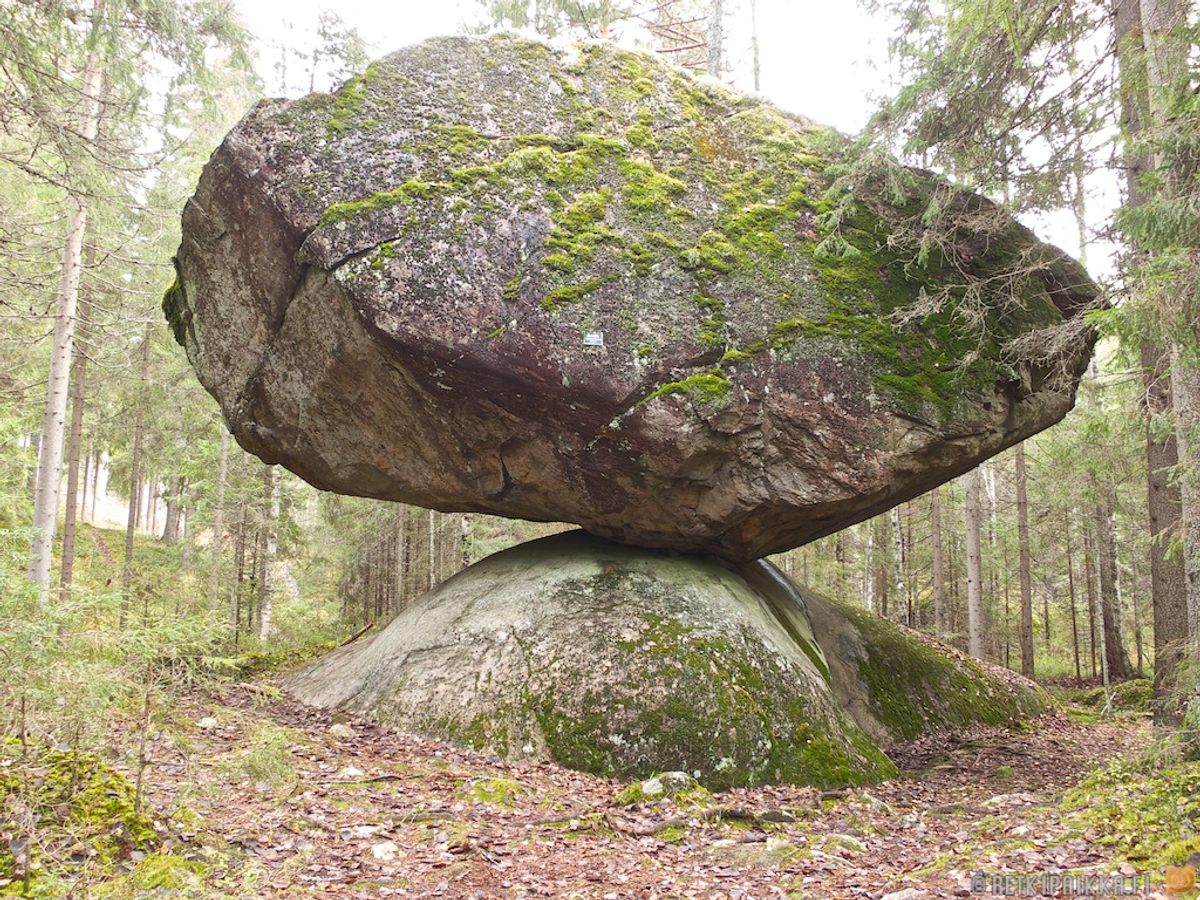
There’s an entire category of geologic formations called “precariously balanced rocks”, or PBRs. They’re nature’s hilarious accidents, given that they’re essentially large rocks balanced on top of other large rocks, but what’s made them an object of study is that they’re “reverse” seisometers - because one exists, you can be sure that there hasn’t been an earthquake around it for quite some time. Fun read!
6. The ones who need little sleep - Knowable Magazine
“Natural short sleepers”, people who can get by just fine on four-six hours of sleep, actually have genetic mutations that allow them to do this. It’s not a single gene or mutation though - over time, scientists have identified seven genes associated with short sleepers. We still don’t understand the mechanism of how this works, though.
7. The Wisconsin cartographer who mapped Tolkien’s fantasy world - Wisconsin Public Radio
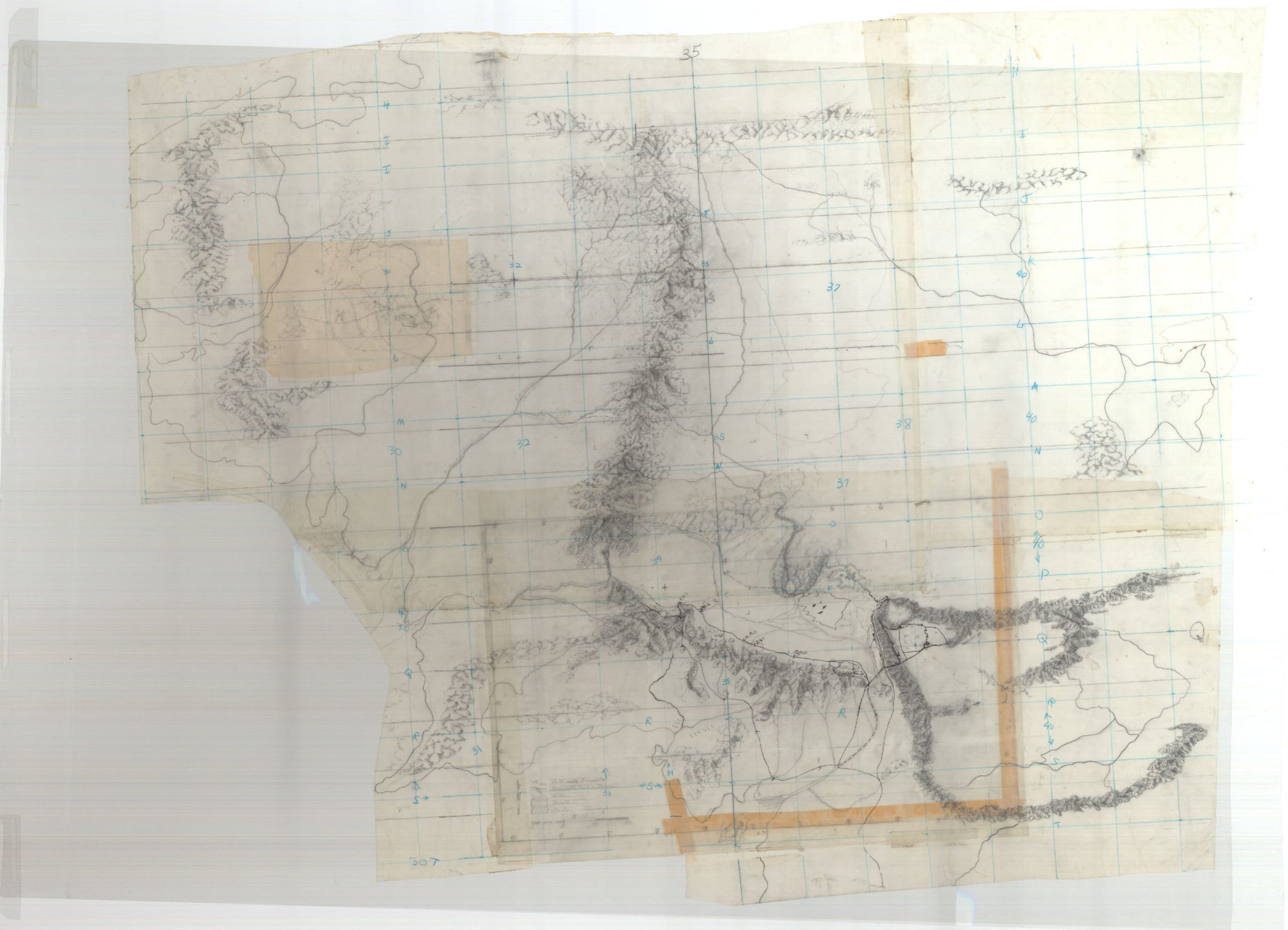
Karen Wynn Fonstad wrote “The Atlas of Middle-Earth” back in 1981 - it’s a beautiful book and I had the pleasure of looking at it in a public library when I was in grad school. She’s made wonderfully detailed and pleasant-looking maps of Middle Earth.
8. Kezurou-kai - Big Sand Woodworking
Another picture bonanza! I don’t know how I came across this post, but I’m glad I did. It’s a post about the 39th annual Kezurou-kai event in Itoigawa, Japan in 2023. It’s basically a wood shaving competition - how thin can you shave different types of wood and how well can you do it? There are lots of nuances here and lots of pictures, and it’s just super fun to dive into the details - why it’s relatively easy to get to a 15 micron-thick shaving but quite difficult to go sub-10, how the moisture level of the wood affects shavings, and how sugi (Japanese cedar) is far more difficult to plane than hinoki (Japanese cypress).


9. Unlikely giants of the forest canopy - Aparajita Datta’s blog
Aparijta Datta was studying giant squirrels for over six months back in 2018, and writes about her observations. I find her writing style to be quite instructive yet fun and engaging. Lots of cool pictures too!
I have fond memories of those days spent watching the giant squirrels. It was my first foray into real field work and my first field research study and I fell in love with squirrels. My only grouse with watching them was the crick in my neck from standing and looking up into the canopy all the time. So, every opportunity I could, I would try to lie down to watch them. I also got used to involuntarily always searching up in the canopy. When Dr. Johnsingh and Dr. Goyal came to visit the field site, I remember Dr. Johnsingh yelling at me while on a drive: “Appu, stop looking up in the canopy and concentrate now on looking for the terrestrial mammals” – his beloved sambar and other creatures.
10. The Rise of Production Capital - Venture Desktop
This essay by Brett Bivens, head of research at July Fund, and William Godfrey, CEO of Tangible, goes into the topic of the infrastructure of the future, who’s going to fund it, and eventually, who’s going to own it? While we have a lot of promising new technology that’s poised to be deployed at massive scales, we don’t necessarily have the right capital “stack”, i.e., the sequential arraying of different types of capital (early risk capital, later growth capital, project & debt financing) to make this deployment happen. Thus, we need a new type of “production capital”, which is not a new type of capital really, but a new product that orchestrates the different types of capital a new technology needs and ensures that the technologies of the future actually get built out into the infrastructure of the future.