Hello there, reader, and welcome back to another issue of Kat’s Kable - your favourite source of great things to read. I was traveling last week (for a dear friend’s wedding!) and had to skip the Kable, but we are back now. It’s a bit of a shorter edition this time, but it should still be fun! I’m scheduling this for Sunday morning when I will likely be asleep and ensconced in bed, so that’s a nice feeling. Did you like anything you read this week? Lemme know!
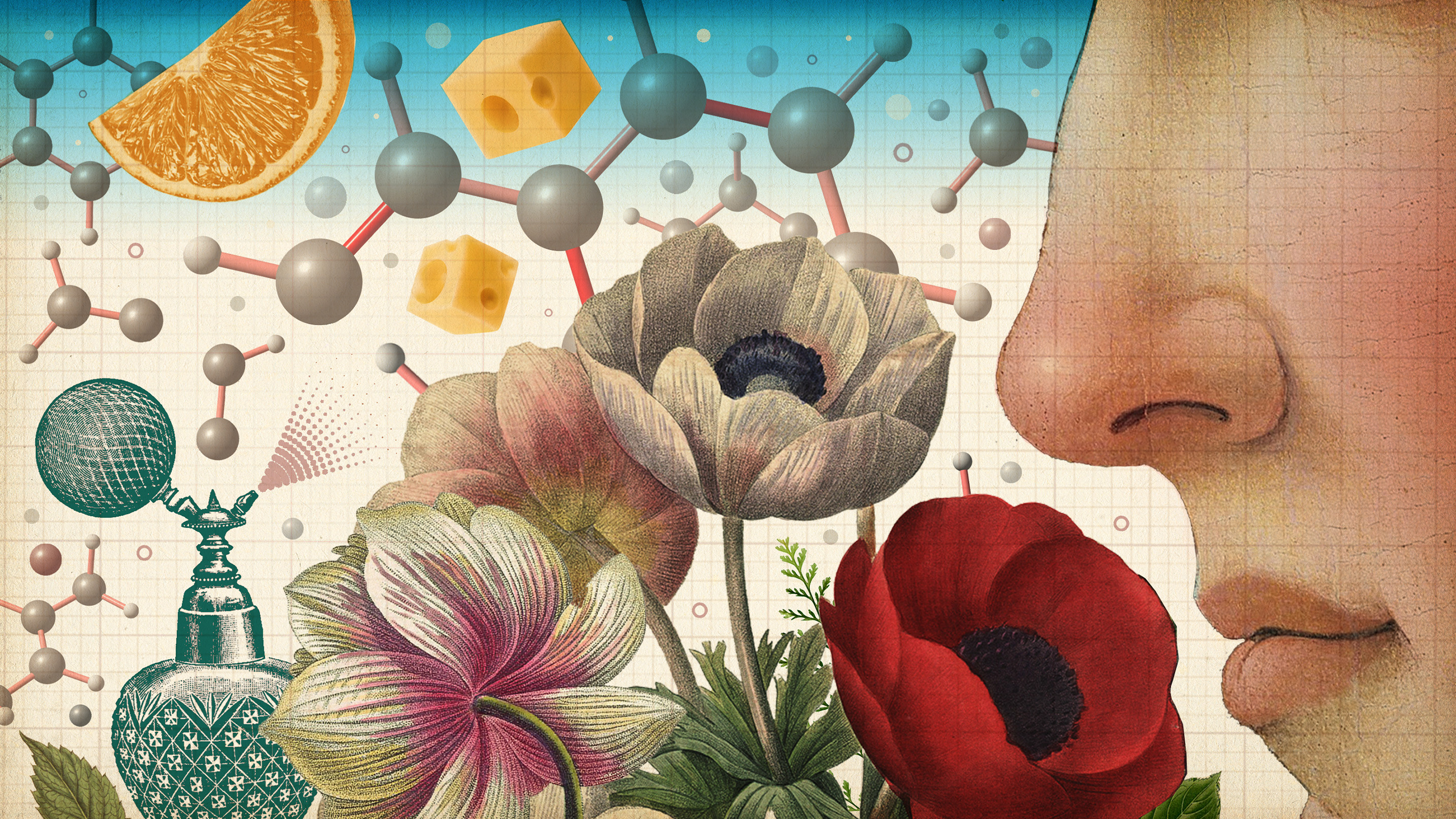
1 How Smell Guides Our Inner World - Quanta Magazine
Always really interesting to read about our sense of smell.
“A better understanding of human smell is emerging as scientists interrogate its fundamental elements: the odor molecules that enter your nose and the individual neurons that translate them into perception in your brain.”
2. How Does the US Use Water? - Construction Physics
Posts by Brian Potter at Construction Physics are always illuminating, and this one is a data-driven deep dive into how the US uses water. Lots of interesting statistics! Did you know that overall water use in the US peaked in the 1980s and has declined since then?
3. AI Is Designing Bizarre New Physics Experiments That Actually Work - Wired
“Artificial intelligence software is designing novel experimental protocols that improve upon the work of human physicists, although the humans are still “doing a lot of baby-sitting.””
It looks like we won’t have any AI tools making new discoveries on their own any time soon, but we are on the threshold of significant AI-aided discoveries.
4. The Alabama Landline That Keeps Ringing - Oxford American
Auburn University in Alabama, USA has a free landline that’s been set up for students and the general public - think of it as a… old-school version of chatGPT?? It’s manned by students who give every caller a listen, and help if they can offer it. This is such a sweet essay about this system, and I really hope it survives as long as it can.

5. Rice, two curries and dal: The Indian cafes where you can pay in rubbish - BBC
Interesting model of waste management - exchange waste you’ve picked up for a meal. A town called Ambikapur produces 45 tons of waste per day and in large part due to its waste cafe, has become a “zero-landfill” city. That’s a great outcome, but somehow, something about this model isn’t sitting right with me.
6. I Randomly Decided To Pay Off A School’s Lunch Debt. Then Something Incredible Happened. - HuffPost
Not the usual type of article I’d usually share on the Kable, but I found it pretty nice. DJ Bracken found out that a school in his home state of Utah had an outstanding school lunch debt of $835 - so he promptly paid it. Post that, he realized the entire state of Utah had $2.8M of this debt - so he crowdsourced it. I like the way he’s talked about all of this, in particular the irony of advocating for no school lunch debt (which I fully agree with him on) and then also raising money to pay it off.
The most disorienting aspect of this accidental journey has been confronting the philosophical contradictions inherent in what I’m doing. On Monday, I’ll find myself arguing passionately that school lunch should be universal and free, like textbooks or desks — a basic educational supply. On Tuesday, I’ll be raising money to pay off debts in a system I just spent Monday arguing shouldn’t exist at all. The cognitive dissonance is sometimes overwhelming. Am I enabling a broken system by patching its most visible failures? Am I letting policymakers off the hook by providing a band-aid that makes the bleeding less visible?
7. The female botanist who sweetened a nation - RHS
Indian scientist Janaki Ammal was quite amazing, by any way of measuring it. Between 1934 and 1939, Ammal worked on and developed new hybrid sugarcane varieties for the Indian climate. Her story is super inspiring and while I’m sad I didn’t know about her earlier, I’m also happy to come across her body of work and journey now.
8. the key to love is understanding - Velvet Noise (on Substack)
I loved this post. Maja talks about conversation and friendship as the bedrock of love, and then the subsequently interesting point is “if love is conversation, then conversation is a craft”. It’s really worth a read.