Hello hello, reader, and welcome to another issue of your favourite internet newsletter - Kat’s Kable. As always, there are ten great things for you to read. I’ve had a super busy week, and a relatively relaxing weekend, so my aim now is to send this newsletter out and promptly fall into a Sunday afternoon nap, or at least stupor. Enjoy the newsletter!
1 Roger Angell: Missing E. B. White - The New Yorker
Roger Angell, EB White’s stepson, writes lovingly about EB White - Andy. I’ve read Charlotte’s Web, of course, and bawled my eyes out as a kid, but I never really thought to learn more about White as a person. What a fun personal recollection - going ice skating with him, dealing with his hypochondriac nature, dealing with his extreme fear of social events, and most importantly, being enchanted by his sense of play. Really, really nice to read.
2 How plant-eaters snag their essential amino acids - Knowable Magazine
This was super fun, honestly. I’ve wondered, often, how various organisms get their proteins. In particular - animals who eat only plants (as a vegan myself, I qualify!). This article is a pretty in-depth exploration of how this happens, and essentially explains the tradeoff that animals made when they decided to stop producing all amino acids themselves.
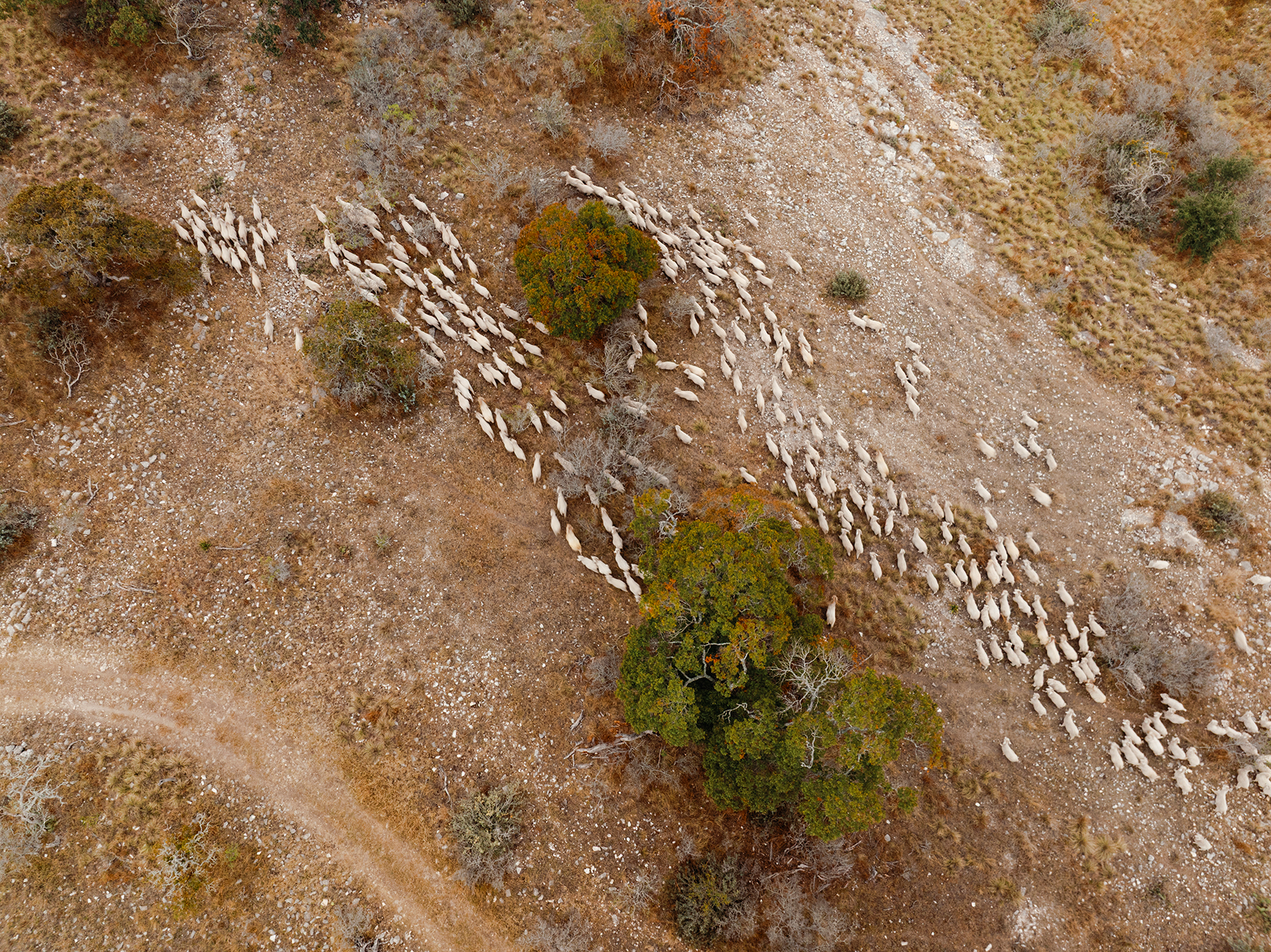
3 When Coyotes Threatened Livestock on Central Texas Ranches, the Solution Was to Unlock an Ancient Ability in Dogs - Smithsonian
“Killing the predators is not nearly as effective as the intimidating presence of well-trained guardians, a role some breeds have played for 5,000 years”
Phew - well, this is an article about sheep and goats and cows, all animals that can’t produce all their amino acids. This essay though is about how these animals have been decimated by predators such as coyotes in Texas, and the resurgence of special breeds of dogs to guard the pack.
4 A Brief Chat With a Guy Who Drinks 25 Cups of Coffee Per Day - Grubstreet
“Charlie Anderson is a cartoonist who drinks 25 cups of coffee per day. Why? He was inspired by Balzac’s famed 50-cup-per-day intake, and says it helps fuel his creativity.”
5 Rail Travel vs Income Growth In India - Arjun Krishan Puri’s Substack
I enjoyed this deep dive into passenger and ridership data of the Indian Railways over the past 50 years. Railway passengers in India peaked in FY13 (13 years ago!) and haven’t returned to that level since. That’s actually quite crazy if you think about it. The author argues that the historical trends show little evidence of upward mobility between fare segments (unreserved to reserved to AC reserved). This, in the context of the belief that Indian consumerism is increasing greatly, is a bit of a reality check.
6 Why Japan has such good railways - Works in Progress
Well, isn’t this a great juxtaposition to the previous piece. Great stuff from Works in Progress, as usual. They talk about how Japan has dealt with a fragmented private railway industry while building it up to one of the world’s best. Lots of surprises and learnings for me - what I found particularly interesting was that the railway companies do a lot of other stuff - office buildings, real estate, supermarkets, etc. - and them becoming these types of “supercompanies” means that the railways they build are not the end to themselves, but rather the means to the end (getting people to spend at their other, more profitable, businesses).

7 The Human Brain Is a Time Traveler - The New York Times
Lovely piece by Steven Johnson - who has written so many amazing things. He talks here about how our brains are rarely “in the moment” and are often here and there in the future and the past.
In just a few minutes of mental wandering, you have made several distinct round trips from past to future: forward a week to the important meeting, forward a year or more to the house in the new neighborhood, backward five hours to today’s meeting, forward six months, backward five years, forward a few weeks. You’ve built chains of cause and effect connecting those different moments; you’ve moved seamlessly from actual events to imagined ones. And as you’ve navigated through time, your brain and body’s emotional system has generated distinct responses to each situation, real and imagined. The whole sequence is a master class in temporal gymnastics. In these moments of unstructured thinking, our minds dart back and forth between past and future, like a film editor scrubbing through the frames of a movie.
8 Out of space: Picturing the big, crowded business of satellite internet - Rest of World
Satellite internet is growing rapidly, and is one of the fastest growing businesses in the world. This 2025 visual exploration goes into the evolution of these internet-beaming satellites (they’ve grown from fridge- to car-sized) and how much space they take in low earth orbit where they communicate with earth-based receivers. The crazy thing, whether you see it as positive or not, is that out of the ~12,000 satellites in space, almost 8000 belong to Starlink! And the UN has said that it’s fine for a million satellites to be in space. It’s about to get crowded.

9 Storm chasers are searching the clouds for the key to climate change - The Verge
Clouds are super important for us to understand because their behaviour contributes heavily to our best climate models and our predictions about the world’s climate. Sadly, we know next to nothing about them! There’s very little data that scientists have been able to gather about the insides of clouds - this piece, about some daredevil scientists who chase storms in Argentina and try to collect the invaluable cloud data, is fun!
A former bush pilot now working for the Department of Energy, Eveland has flown through just about every type of cloud the planet has to offer: sprawling stratus decks above the Alaskan tundra, atmospheric rivers flowing toward the coast of California, low ocean haze in the Azores, and orange pyrocumulus plumes sent up by firestorms in Washington state (which he describes as a “hoot”). Eveland likens skimming along the Argentine mountains to surfing, though every time he says something like that, he’s quick to boast about his caution. “This isn’t like Twister. We don’t just drive around looking for bad stuff to happen,” he says in his Arkansan twang. “Our sensors have sensors.” Laughing, he gestures to a plastic hula girl suctioned to the cockpit dashboard. “And when she falls off, it’s time to go home.”
10 A Thousand Pounds of Dynamite - Atavist
“The race to stop one of history’s most bizarre extortion plots.”
Well, phew. This took me a solid hour to read, and it’s worth it. This is a really crazy story about a crazy family.
