Hello there, reader, and welcome to another issue of Kat’s Kable, your favourite internet newsletter! As always, there are ten great things to read here. This newsletter is reaching you Monday morning India time because I’m back in a different time zone - the one I did my PhD in! I’m writing this Sunday evening and having a fun weekend reminiscing old memories. Of course, I couldn’t miss the Kable, so here we are.
1 Notes on “Taste” - Are.na
2022 piece by Brie Wolfson on the concept of taste - it means something, right? But what exactly does it mean? Is it something tangible that can we can closely define? Is it a binary property, or does it exist on a spectrum? Wolfson goes into a bunch of these questions and comes back out with a 23 point list on how to think about taste. I imagine I’ll keep going back to this every once in a while.
2 The smelly baby problem - Works in Progress
Wow! I’ve been on a bit of a roll with recent pieces from Works in Progress - the last one I shared was Why Japan has such good railways in issue #391. This deep dive into the development of disposable diapers (yup!) was oddly… inspiring? There’s so much engineering that’s gone into them, it’s not even funny.
3 The Beauty of Bonsai Styles - Longwood Gardens
Not a longform piece by any means, but such a fun exploration of the different styles of Bonsai. My two favourites: literati and slant (pictures below).
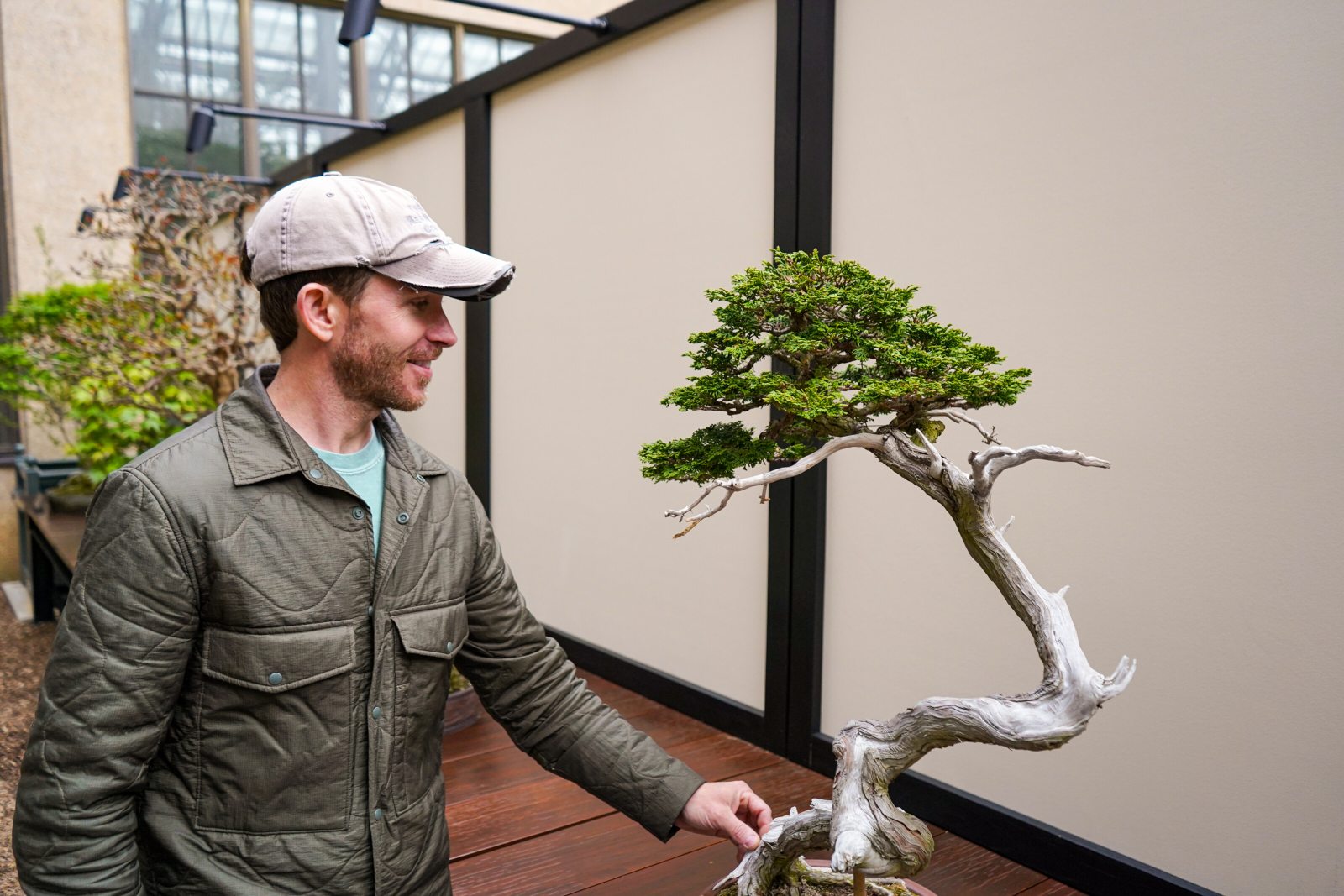

4 Wildflower Beauty and the Search for Home - Emergence Magazine
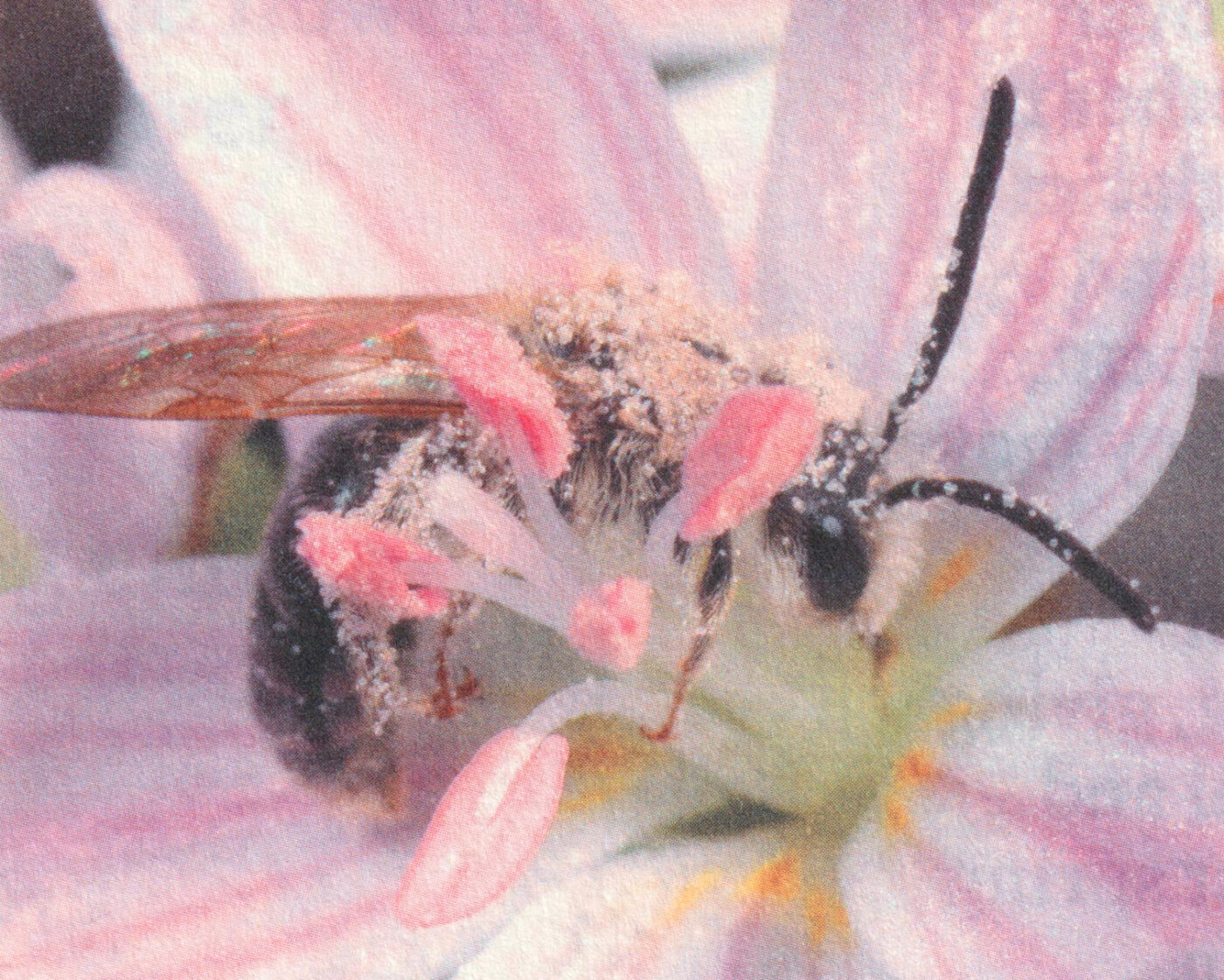
Nice complement to the previous one - “Biologist David George Haskell turns to the deep-time evolutions and tangled histories of wildflowers that grow around his home in Atlanta, Georgia, to learn how we might find a deeper sense of belonging in the places we live.”
I’m a big fan of Haskell’s writing - and this one is no exception. Also. Also! You can listen to him reading this essay aloud on the webpage. It has great pictures. I learnt something new too:
The word “seasons” carries this knowledge in its origins. Descended from the Latin serere, meaning “to sow,” the word changed from verb to noun and came to mean not only the act of sowing crops, but the right time to sow.
5 A Sea Story - The Atlantic
Oof. This one hits hard.
“One of the worst maritime disasters in European history took place a decade ago. It remains very much in the public eye. On a stormy night on the Baltic Sea, more than 850 people lost their lives when a luxurious ferry sank below the waves. From a mass of material, including official and unofficial reports and survivor testimony, our correspondent has distilled an account of the Estonia’s last moments—part of his continuing coverage for the magazine of anarchy on the high seas.”
6 The Perfect Fire - Esquire
If you liked the previous one, or even if it piqued your interest, this one will too. This is the story of the Worcester (Massachusetts, USA) fire in 1999, where a meat cold-storage building caught fire, and was one of the worst recorded fires ever. The building had the ingredients to make it the worst possible conflagration to fight, and it took many lives - cruelly, only firefighters’ lives as it had no inhabitants. What a great piece of reporting centred around the people and the hard decisions they had to make, and the guilt they had to live with after making those decisions. Wow.
7 to feel and to fail - Visakan Veerasamy’s Substack
I’m a fan of Visa’s writing, and unfortunately haven’t shared as much of his writing on the Kable as I’d like. The key unifying idea across all his writing and exploration of ideas is “focus your time and energy on what you want to see more of” (see this blog post). This piece is about how an artist’s job is simple: to feel and to fail.
I have a ton to say about how, if you look at human history, you might think that progress is probably kinda steady and linear, but when you look closer, you see that it’s really not. Progress of any kind happens in tremendous leaps and bounds in very small clusters of space and time, at the hands of remarkably small groups of people. And it’s in spaces where people encourage each other to think and feel and fail, publicly. These scenes are magical and generative. Practically everything good that we have in the world comes out of this understanding. And yet this understanding itself often seems weirdly fragile. It’s usually present at the founding of any great organization, but it seldom endures for very long. Why is that?
8 The Average Fourth Grader Is a Better Poet Than You (and Me Too) - Poetry Foundation
OK, wow? I loved this. Hannah Gamble wrote this for Poetry Foundation in 2013, and she talks about her experience as a writer in residence for WITS (Writers in the Schools) when she visited 3rd/4th/5th grade classrooms to share poetry with them. Some of the poems shared by her young students will blow your mind (there’s a bunch in the essay) and the interesting thing is how much less interesting these poems become when written by older (7th grade kids). In her own words:
When first hired by WITS, I expected that working to explain some of my favorite poems to fourth graders would result in me becoming a better teacher of poetry. What I wasn’t expecting was that (thanks to having my brain blown apart on a weekly basis as I browsed my students’ folders of barely legible poems) I would become a better poet.
9 We Are Alive - The New Yorker
I’m a big, big fan of Bruce Springsteen. I read his On The Run some years ago and re-read it earlier this year. This 2012 profile of him by David Remnick is really nice - it’s a deep dive into the entirety of the Springsteen canon and history. If you like it, check out Beneath the Surface of Bruce Springsteen (issue #155) and Bruce Springsteen and the Art of Aging Well (issue #229).

10 Geel: where the mentally ill are welcomed home - Aeon
Interesting! I read this essay just this past week, and it’s a history of the Dutch town of Geel which has a long history of its family taking on the mentally unwell as boarders, and giving them a sense of acceptance and a lot more normalcy than they’d expect in a conventional institution. That trend is coming to an end now, which is honestly not that surprising with modern life moving increasingly towards nuclear family units and corporate jobs (thus you can’t really make use of the physical labour of an additional hand at home).