Hello there, and welcome to another issue of your favourite internet newsletter - Kat’s Kable! This week we have a special issue, after what seems like forever! All the pieces this week (nine instead of the usual ten) are about food and agriculture.
This will also be reaching you Monday morning India time while I’m on a plane back home from my trip to the US. What a wonderful trip it’s been. As always, write back if anything (just reply to this email) and enjoy the articles!
1 Droplet outbursts from onion cutting - Research paper published in PNAS
Ha, so fun! This research team used high-speed cameras to study why and how exactly cutting onions results in the spray of droplets that causes us to tear up. Pungent aerosols are released at high speed whenever an onion is cut into, and that’s what causes the tearing up. Nerd out!

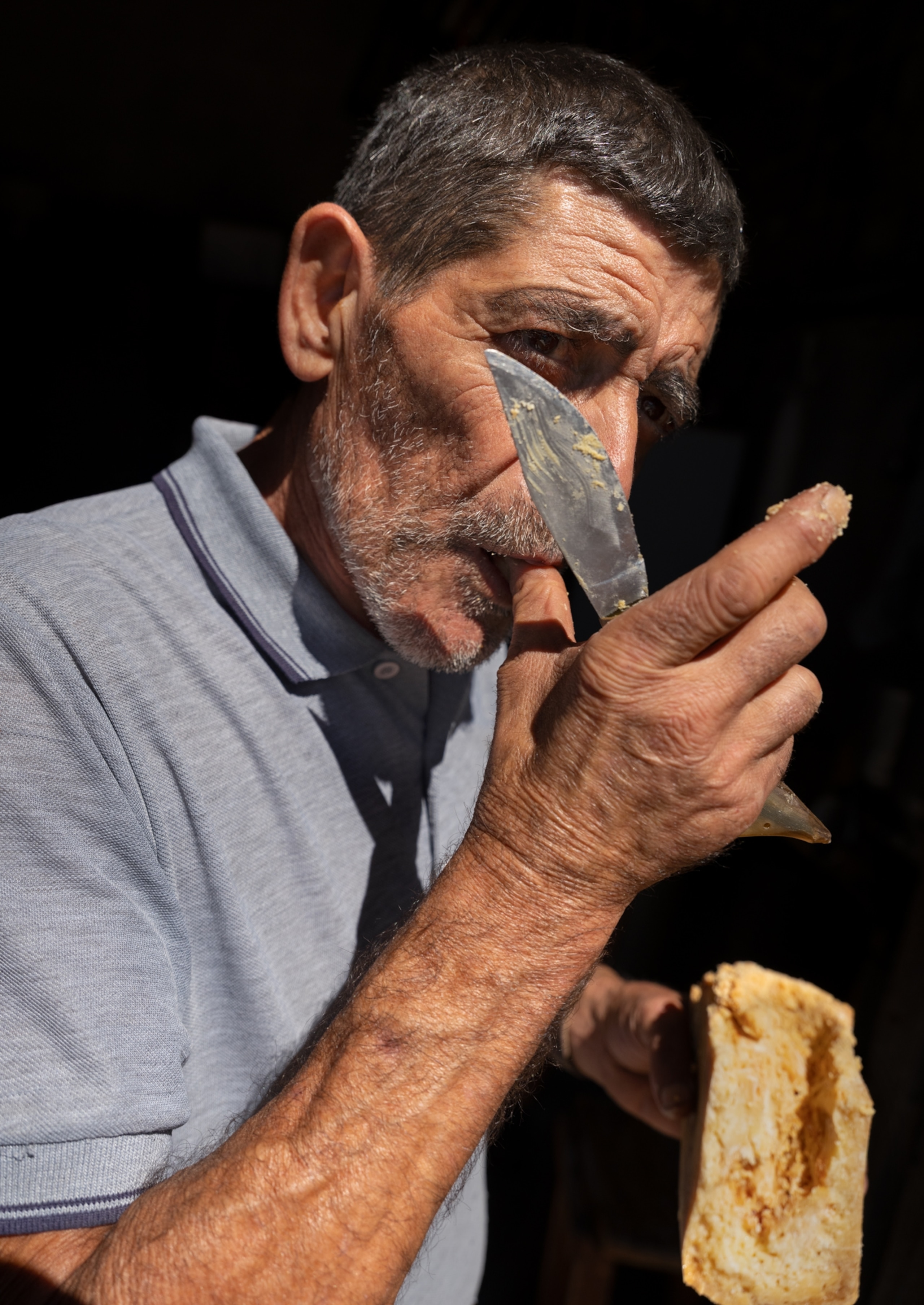
2 The strange story of casu marzu, Sardinia’s famous maggot cheese - National Geographic
Well, this is weird. There is a cheese from Sardinia called casu marzu, which gets its unique characteristic from the growth of maggots inside the cheese as it ages and gets ready. Not an article for the faint of heart, to be honest, but it’s also quite cool to see the extent of human… creativity?
3 How the Wine Industry Engineered Around Cork’s One Flaw - Lumafield
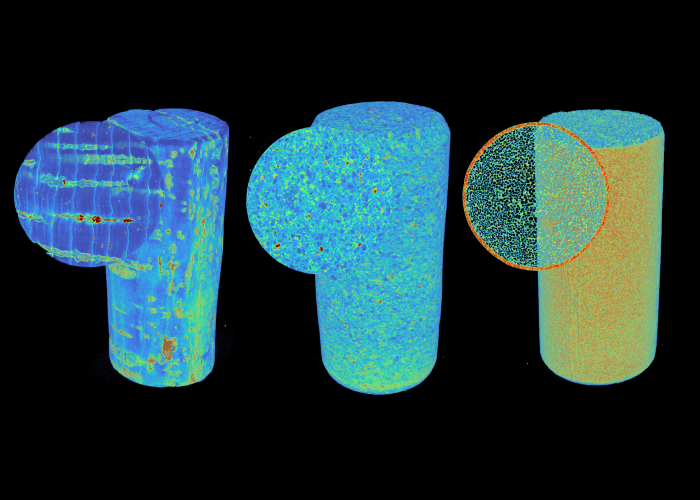
I like sharing pieces from the Lumafield blog (also Evolution of the Plastic Bottle (issue #378) and Looking inside real vs. fake AirPods with industrial CT (issue #324)), and this one is no exception. A wine bottle’s cork can get contaminated when certain mould species interact with chlorine compounds in the cork, and this can change wine from fruity and complex to damp and flat. You can see very cool CT scans of corks as they’ve evolved over the ages to overcome this big problem.
4 The Founding Story Behind Japan’s Oldest Whisky Maker - Town and Country Mag
The House of Suntory is a company founded over a hundred years ago that put Japanese whiskey on the global map. I enjoyed reading this piece into how this came about and especially how things changed with the world wars.
5 I Want to Live Like Costco People - Taste
My America trip was incomplete until I got my best friend to take me to Costco! The altar of American capitalism, or at least one of them. I read this piece a few weeks before my Costco trip, though, and ha, it got a bunch of laughs out of me.
I stop at a large endcap display proffering huge tubs of cabbage kimchi next to huge tubs of sauerkraut. No matter who we are or where we’re from, at Costco, we’re more alike than we are different. There’s no such thing as the real America, but if there were, you’d find it here. And you’ll find me here, too, for I have become the Costco person I was always destined to be, preordained by geography and epigenetics, nature and nurture. Yes, I’d like a box to take my groceries to the car. I’m pretty sure all this stuff will fit.
6 One Solution for Invasive Species? Put Them on the Menu. - Atmos
I’d shared Here Come the Lionfish in issue #357, and honestly this Atmos piece broke my heart a bit because of the previous one. Marine “invader” species are being put on menus and plates in many restaurants, and while I understand the rationale behind that, my view is that we view invasiveness and colonization as a black-and-white thing. Anyhow, this piece is still cool - another example of human… creativity?

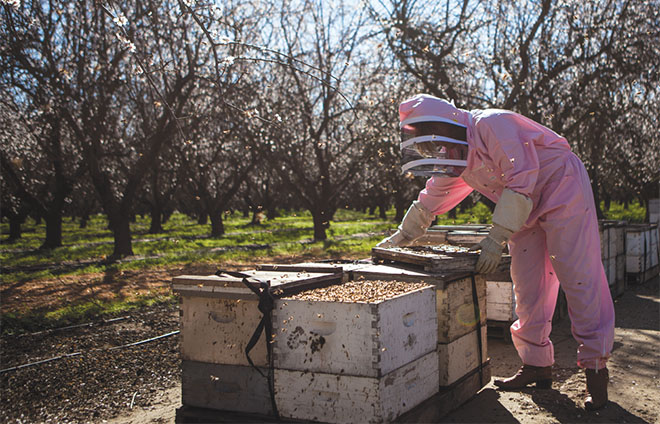
7 Save the Honeybee, Sterilize the Earth - Pacific Standard
“A decade ago, people started panicking about the collapse of the honeybee population and the crash of our food supply. But today there are more honeybees than there were then. We have engineered our way to a frenzied and precarious new normal.”
Woof. There is a lot we have done to honeybees, some good, some not. Honeybees are still struggling to cope with some of the existential risks facing them, like colony collapse disorder, but because we rely on them so much for industrial agriculture, we’ve found a way to keep them powering on for us.
Most beekeepers I spoke with would prefer the latter but can see agriculture trending toward the former. That means a fundamental change in their lives. “We’re not beekeepers anymore, we’re bee doctors,” says one Florida man who pollinates crops in 14 states. “We’re paid to keep making beehives. They pay us to patch ’em up, send ’em out, patch ’em up, send ’em out.” As stressful and costly as the new methods are, they’re a large part of the reason the apocalyptic predictions of 2007 never came to pass. Beekeepers haven’t figured out how to stop the losses, but they’ve found a way to outrun them, for now, by multiplying their hives faster than they can die off.
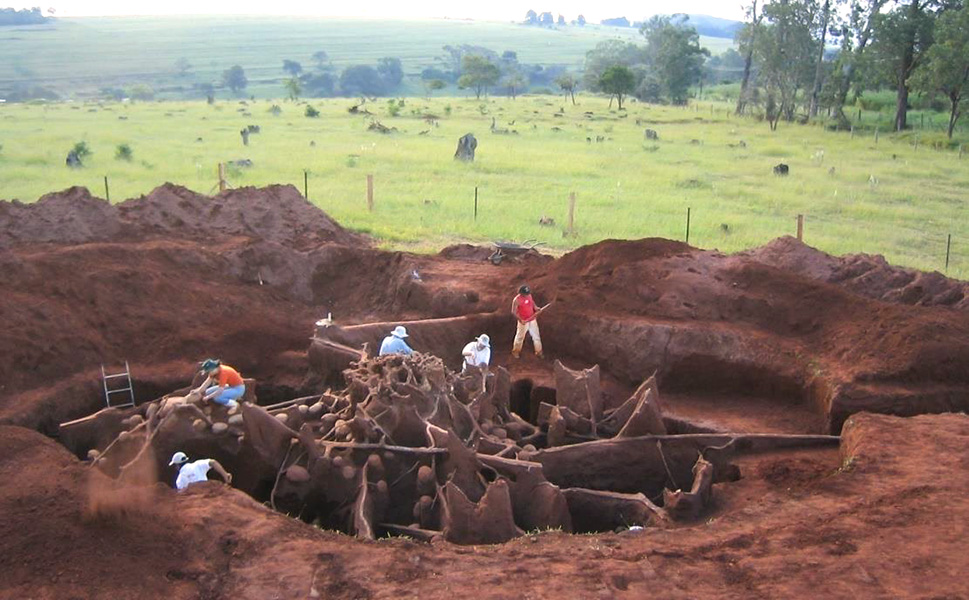
8 The crazy nests built by leaf-cutter ants - Knowable Magazine
Leaf-cutter ants are amazing! They make absolutely crazy nests. This piece nerds out significantly about the way they do it, the way they organize themselves, and a bunch more cool facts.
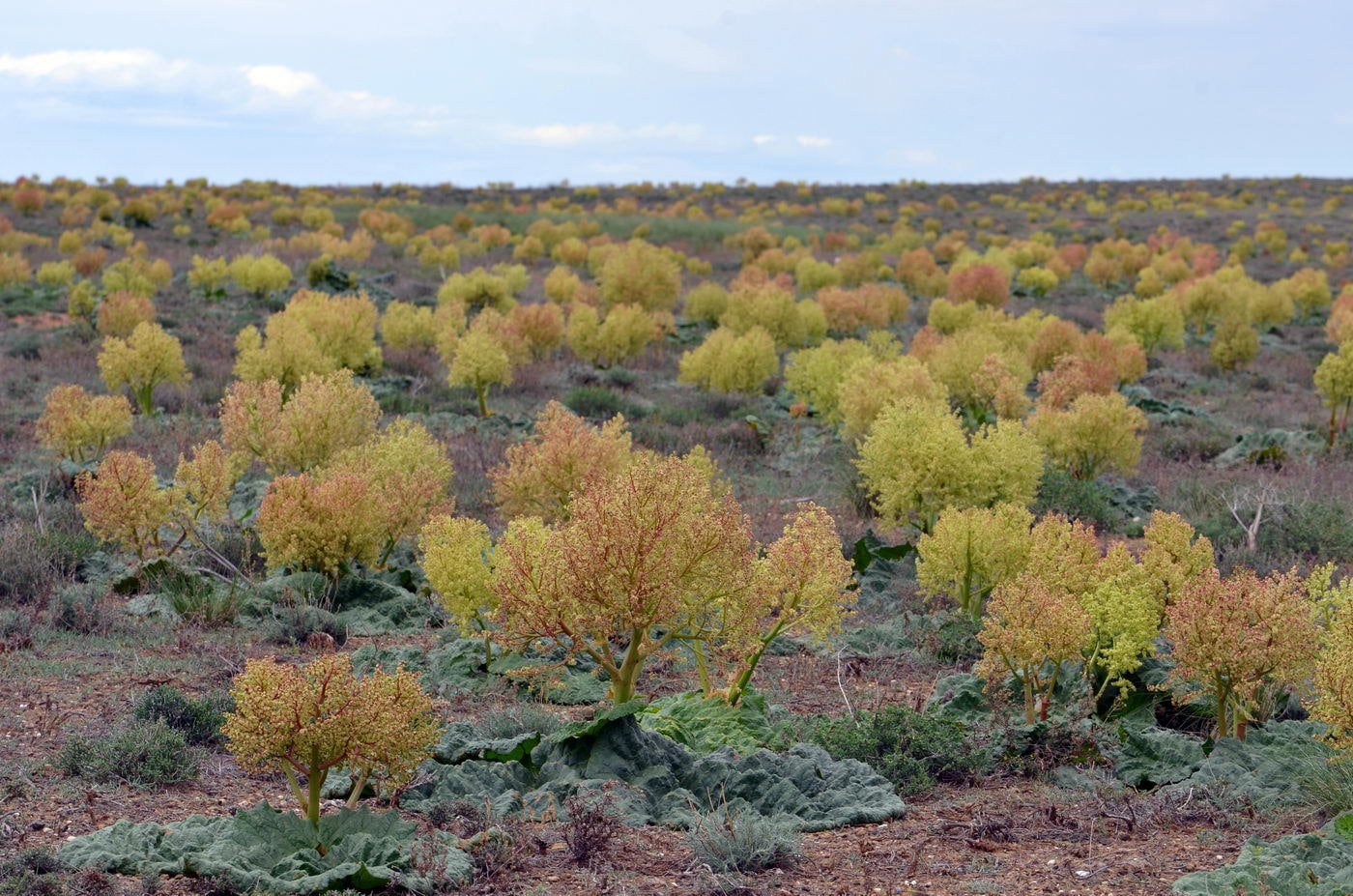
9 Rheum rhabarbarum: A Social History of Rhubarb - Places Journal
“Lost among tangles of rhubarb, consumed by roots, thinking about how a precious, “uncivilized” drug made its way from ancient China to a backyard garden in Cedar Rapids, Iowa.”
What a fun piece combining the personal and historical. I really enjoyed it.