Well, hello and good morning, or good morning for those in India and eastwards. I’m actually writing this on Saturday night, sipping my usual green tea (I spoke to my supplier recently and realized I’ve been ordering from them for ten years), and hearkening back to the OG days of the Kable when I’d write either on Saturday night or early Sunday morning to meet my 8am timeline. What a time. Now my target is a more modest, “let’s try to get the Kable on a roughly weekly cadence.”
Speaking of ten years, I visited a dear friend a couple of weeks ago in Delhi, and realized that that friendship is also now a decade old! I wrote long ago in the Kable about the strange and novel feeling of things in my life having existed or lasted for a decade. A decade. Things in my life? And a decade. Surreal.
I also made a really nice pasta last weekend, and I’ve gotten into a good rhythm of a jazzed-up tomato sauce of late. I always add soy sauce, but this time I also added miso. Not any ordinary miso, though - miso I made back in 2022 before… well, before a lot of things! Before I moved to Bombay. Before I met Samira. And such. We’ve been through a bunch of times and places, that rajma miso and I.
One of the nice things about writing the Kable well in advance is that I’m not running away to put the bread in the oven, or to hop on to an early work call, or whatever, and I write a more relaxed, roomy intro. Here’s one such. I’m done, though, so I’m gonna drink my tea, and you’re going to enjoy the ten things in this Kable. Aren’t you?
1 Why I Write - The Orwell Foundation
I shared Orwell’s Politics and the English Language in issue #399, and here’s another piece by him that I quite liked. It’s a bit of a big ask of himself, because he tries to generalize why any writer writes, but then when he talks about his own motivation in detail, I liked that part a lot.
What I have most wanted to do throughout the past ten years is to make political writing into an art. My starting point is always a feeling of partisanship, a sense of injustice. When I sit down to write a book, I do not say to myself, ‘I am going to produce a work of art’. I write it because there is some lie that I want to expose, some fact to which I want to draw attention, and my initial concern is to get a hearing. But I could not do the work of writing a book, or even a long magazine article, if it were not also an aesthetic experience.
2 How to Write English Prose - The Lamp
Well, this is provocative. It’s a 2023 essay by David Bentley Hart, so definitely modern compared to the previous 1946 Orwell piece. I like the opening a lot here, because Hart shows us a few pieces of prose that he really likes, and then he gets quite opinionated on what he doesn’t like, which honestly, is subjective but I didn’t quite agree with much of what he said. Overall, it’s a fun thing to read.
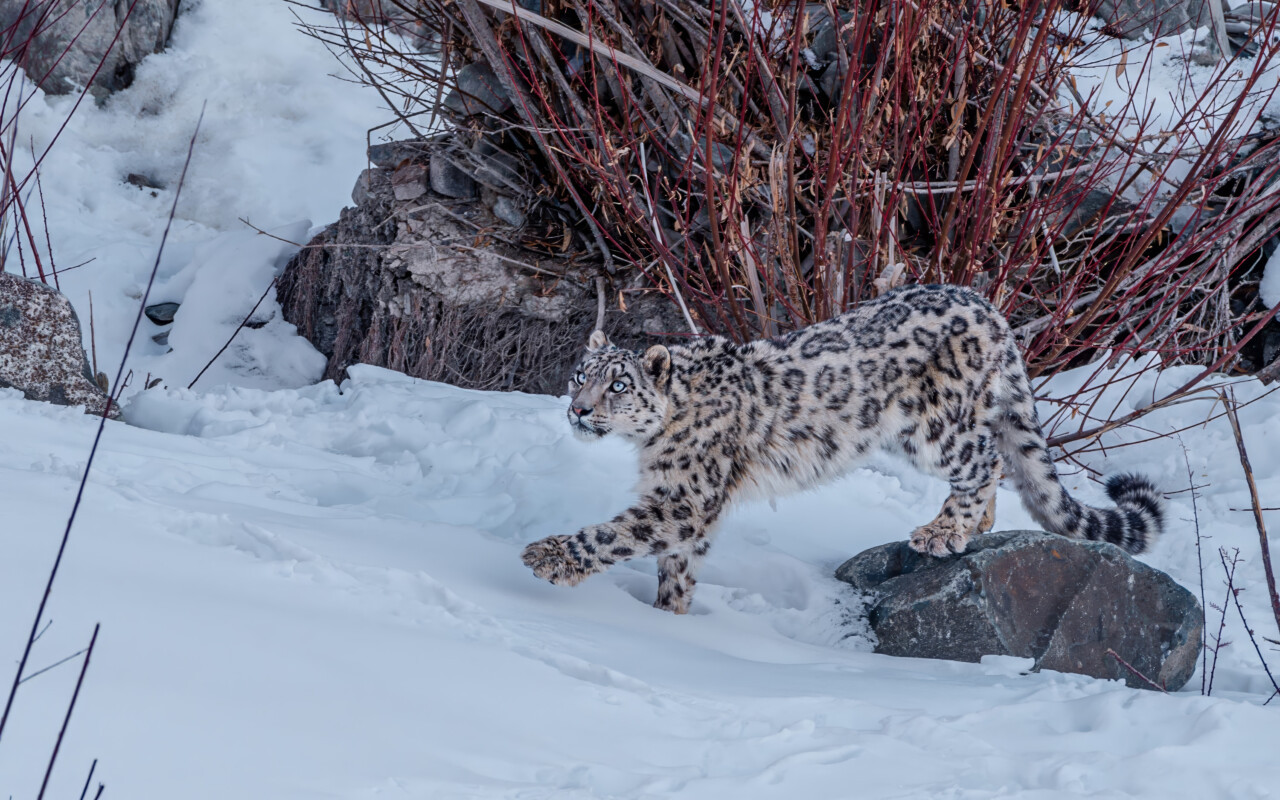
3 How Tourism Saved the Elusive Ghost Leopard From Extinction - Atmos
I still remember being in undergrad and reading Peter Matthiessen’s The Snow Leopard - what a great book! When I read this essay about the snow leopard, it was pretty surreal - because tourism has become increasingly popular in Ladakh and the larger Indian Himalayas, income has shifted there from animal husbandry, and predator spotting has become an asset to market. And now there are so many pictures and sightings of the elusive snow leopards! If you’ve read Matthiessen’s book, you’ll realize how crazy that sounds. IYKYK.
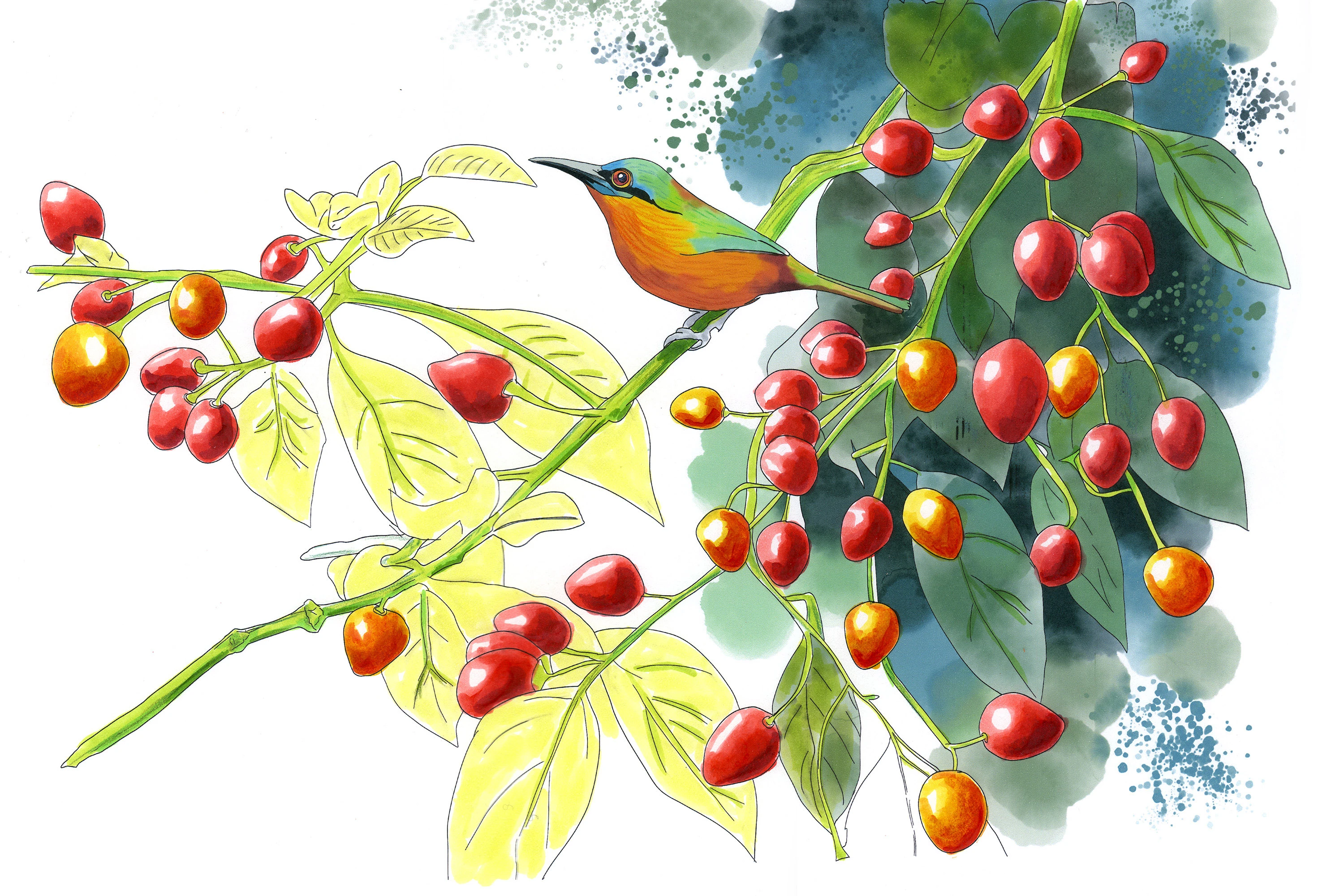
4 The lucrative bird-singing contests that are pushing species to the brink - Knowable Magazine
This reminds me somewhat of Homeward Bound: On Pigeon Racing which I shared back in #389. It’s about songbird contests in Indonesia, and there are millions (millions!) of songbirds that are apparently smuggled each year to keep as pets and for competitions. It’s quite to read about.
5 The mystery of mountain lions - High Country News
Really nice personal essay by Sarah Gilman about mountain lions, aka cougars, and growing up in cougar habitat and then continuing to interact with them through her life. Cougars are rare; I don’t think as rare as snow leopards, but quite rare. That quality has served them well - both in terms of human interactions and being amazing ambush predators. Really recommend this to immerse yourself in a different landscape for the ~10 minutes it’ll take you to read it.
6 The Ramen Lord - Chicago Magazine
Whoa. I had no idea about Mike Satinover, and his obsession with making great ramen. He started off as a Reddit celebrity with the username Ramen_Lord (hah), and channeled his ramen obsession into becoming one of the most respected posters on the ramen subreddit by sharing all the details. The next obvious step, you’d think, would be for Satinover to share some of his ramen with his many many fans. He started off doing pop-ups in 2017, and now operates Akahoshi Ramen in Chicago. His work is grueling, given his penchant to get things perfect (14 hour days!), and the ramen is wonderful - but it’s taking a lot out of him. What a great read and a peek into one of the most interesting people you’ll read about.

7 Chili Peppers of the World: Cultivars, Species, and Heat - Notes from the Road
Super fun! Absolutely delightful visual exploration of the entire chili family; as an amateur gardener myself, I was enchanted.
8 The Iran War threatened a food crisis. The next Gulf conflict could do the same. - Reuters
I think this piece goes nicely with The cycling of phosphorus is the basis for all life on Earth which I shared in the previous issue. This is another visual exploration just like the previous piece on chili peppers, and it’s an absolute delight and so well done! It’s about the Haber-Bosch process (which produces virtually all the world’s ammonia) and the downstream urea that comes from it. It’s a process heavily dependent currently on fossil fuels (both as an input material and an energy source), and you can thus expect any geopolitical event or war to have a severe effect. That’s what this Reuters piece gets into.
9 Mail Between Heaven and Earth: On Japan’s Post Office For Letters to the Dead - Lit Hub
Whoa. This is profound and moving. Yuji Akagawa is a survivor of the Fukushima earthquake and tsunami from 2011. It took him three days to find his wife, and as he started helping other survivors come to terms with their new upended lives. His experiments were quite varied - for example, he took survivors to hot springs to get some time away from their evacuation centre homes. He was then inspired to create the “drifting post”, a postbox where you could write letters to the people you lost in the earthquake. Akagawa is the proprietor and key administrator, and reads all the letters that come in. They’re all incredibly moving, as you can imagine.
10 The Epic Battle to Break the Mississippi River Canoe Record - Outside
Absolute cinema. I don’t know what more you can say about this one. Two teams (that were originally one team) try to canoe down the entire Mississippi river and beat the previous world record of 18 days. I’m someone who’s traced the entire river from start to finish on Google Maps, and I can hardly believe that you can use a non-motorized vehicle to do all of that in eighteen days. Fifteen days? Wow.