Hello, hello, dear reader. I come to you with another midweek, but full-length Kable. I’ve frantically (sort of!) written this out pre-7am so I can now get dressed, have breakfast and zoom away to work. For these aforementioned reasons, I don’t have much else to say. However, you should look at my new vibe-coded hardware! Here she is:

This small microcontroller + e-ink display + microphone device is my personal quick voice recorder. I use it to record thoughts (why was the last Laurie King novel’s ending so bad?), mark quick todos to myself (there’s a new restaurant we need to try) and other such fun musings. They get synced to my laptop whenever I connect to my laptop via USB, and battery life is basically infinite (it gets topped up each time I sync). Magical and fun. Anyhow, enjoy the Kable! And as always, write back.
1 Refactoring cuisine: how an Iraqi stew sailed to Singapore - Josh Izaac’s blog
This was a fun read - bamya asam, a Middle Eastern lamb and bhindi (okra) stew, is now a staple in Singapore.. with calamansi lime used as a souring agent! Why is a tropical lime being squeezed on an Iraqi stew? Trade and colonialism, of course.
If a wooden ship is preserved in a harbor, and over the decades its decaying planks are replaced one by one with new timber, is it still the ship of Theseus? When applied to diaspora cooking, the paradox is identical. If you cross an ocean and substitute a recipe’s ingredients to accommodate a new geography, at what point have you cooked an entirely different meal? Which one is the ‘authentic’ dish?
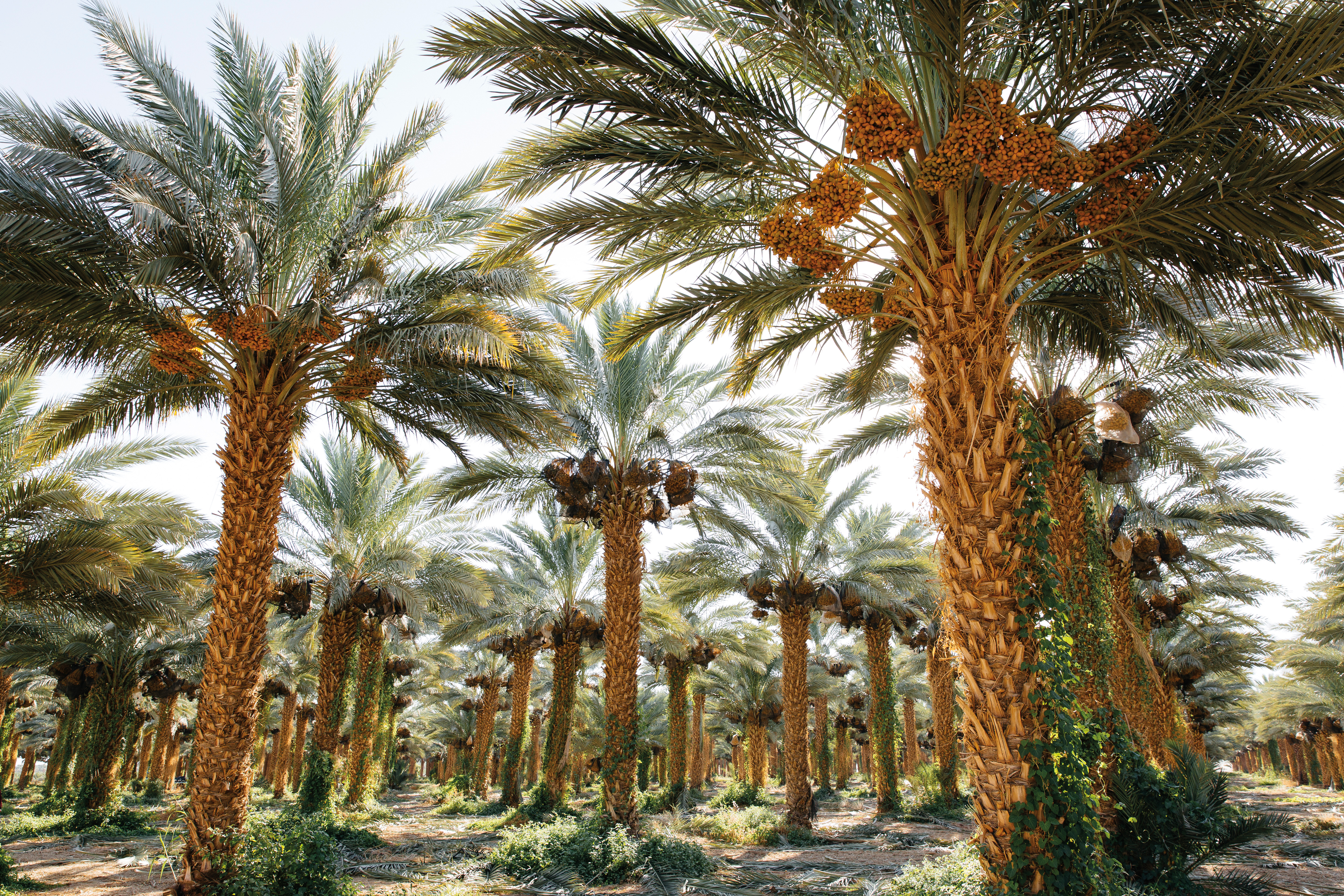
2 The Sweet and Sticky History of the Date - Smithsonian Magazine
I think you just have to read an essay that starts with an opening as irreverent as, “It’s possible to divide the world in two: the part that venerates the humble-seeming fruit known as the date, and the part that does not. The part that does is home to hundreds of millions of people, from the Atlantic coast of Morocco across North Africa and Egypt to Mesopotamia and east to India.” I very much enjoyed reading about the diversity and rich history of the date palm, and some recent experiments in getting 2000+ year-old date seeds to grow!
3 A Cannabis Spiked Glimpse into Uttarakhand’s Cuisine - Goya
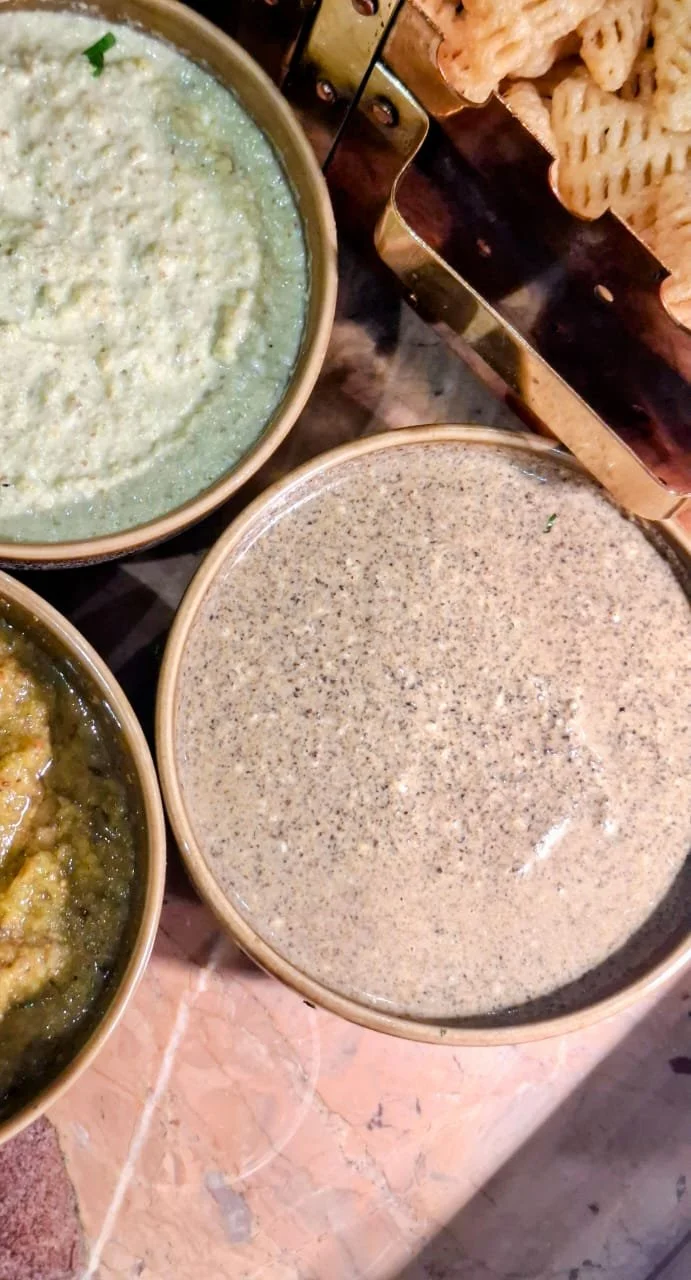
In 2022, I visited Uttarakhand to stay with my friend who lives near Almora - she was the one who first introduced me to bhaang ka chutney, literally cannabis chutney. Of course, the whole hemp seeds used in this chutney, and in many Uttarakhand cuisine dishes, have none-to-little psychoactive effects and are eaten to bolster one’s diet in a geography with harsh climatic conditions and low nutrition levels. This is a fun exploration of how hemp entered the cuisine and also how it is now inevitably elevated in fine dining contexts.
4 The Forgotten Castles of the Garamantes - Wild Man Life
“There is a particular silence that settles over the Libyan Sahara, not the absence of sound, but something older, heavier, as though the desert itself is remembering. Deep in the Fezzan, in a broad valley called the Wadi al-Ajal lying roughly a thousand kilometres south of Tripoli, that silence holds a secret. Beneath the windblown sand and the rubble of millennia, the walls of a lost civilisation stand waiting: the castles of the Garamantes, a people once dismissed by Rome as barbarians and forgotten entirely by the modern world.”

5 The Jungle Prince of Delhi - The New York Times
OK, wow. I felt strange reading this, with a creeping feeling of peeking into things I shouldn’t be. It’s by Ellen Barry, about her relationship with the royal family of Oudh (Awadh/Lucknow etc.) that lived in Delhi after the British had annexed their kingdom in the 19th century. You’ll find outlandish claims of heritage that are hard to believe, sad stories of being reclusive, a profound loneliness, and like I said earlier, the feeling of peeking into something you shouldn’t be looking into. All that being said, I did read all of it - it’s really well done.
6 Why Are Rivers So Mathematical? - Quanta Magazine
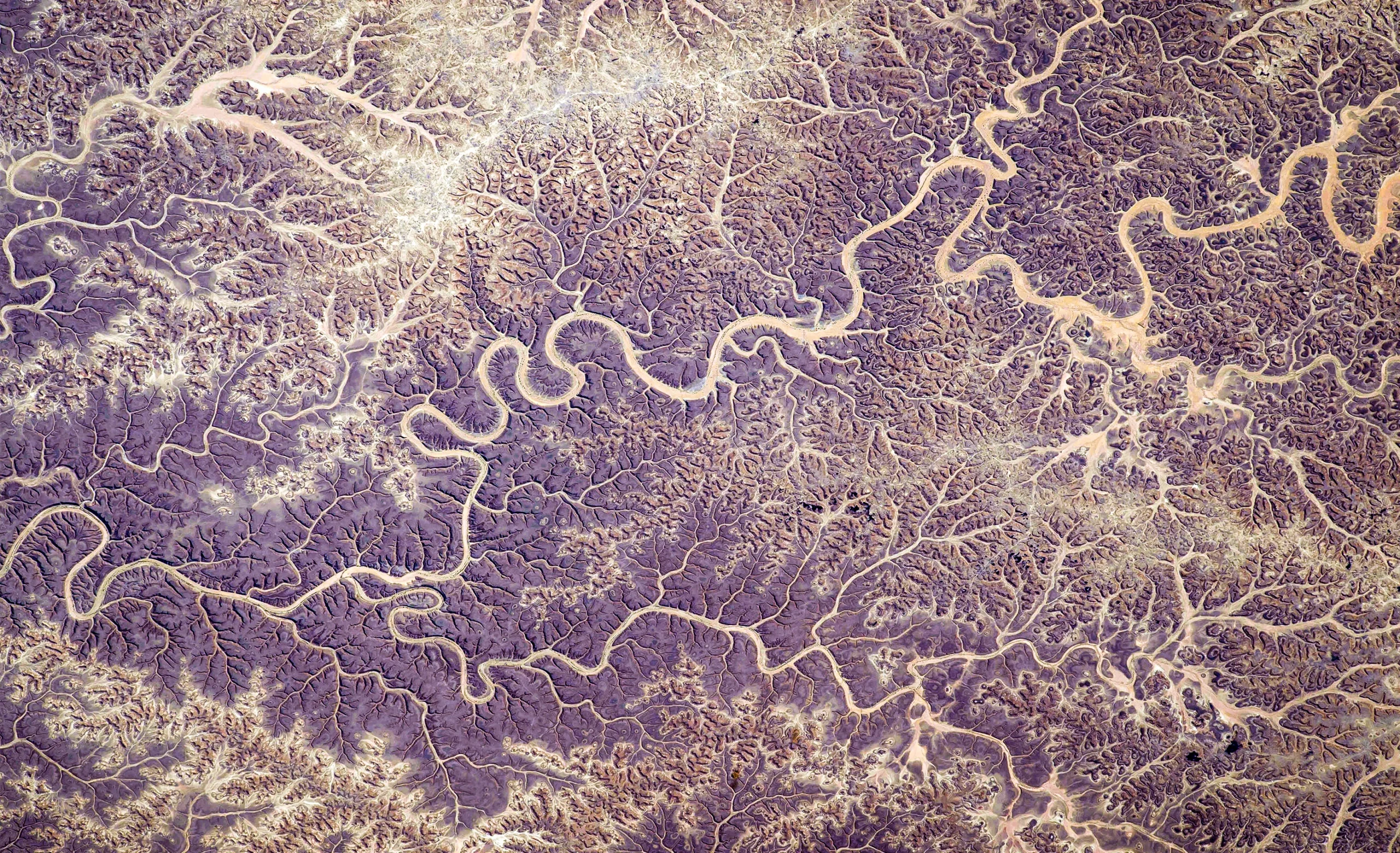
I love, love, love essays like this. It starts from the title, goes to the author’s curiosity about the innate familiarity of all river networks and then generalizes to generic “transport networks” including motor vehicle transport and the blood in our bodies. There are some empirical, fundamental, laws about river networks, particularly in the relationship between the length of the river stream and the area of the final river basin.
7 The extraordinary life and quiet death of the world’s largest iceberg - National Geographic
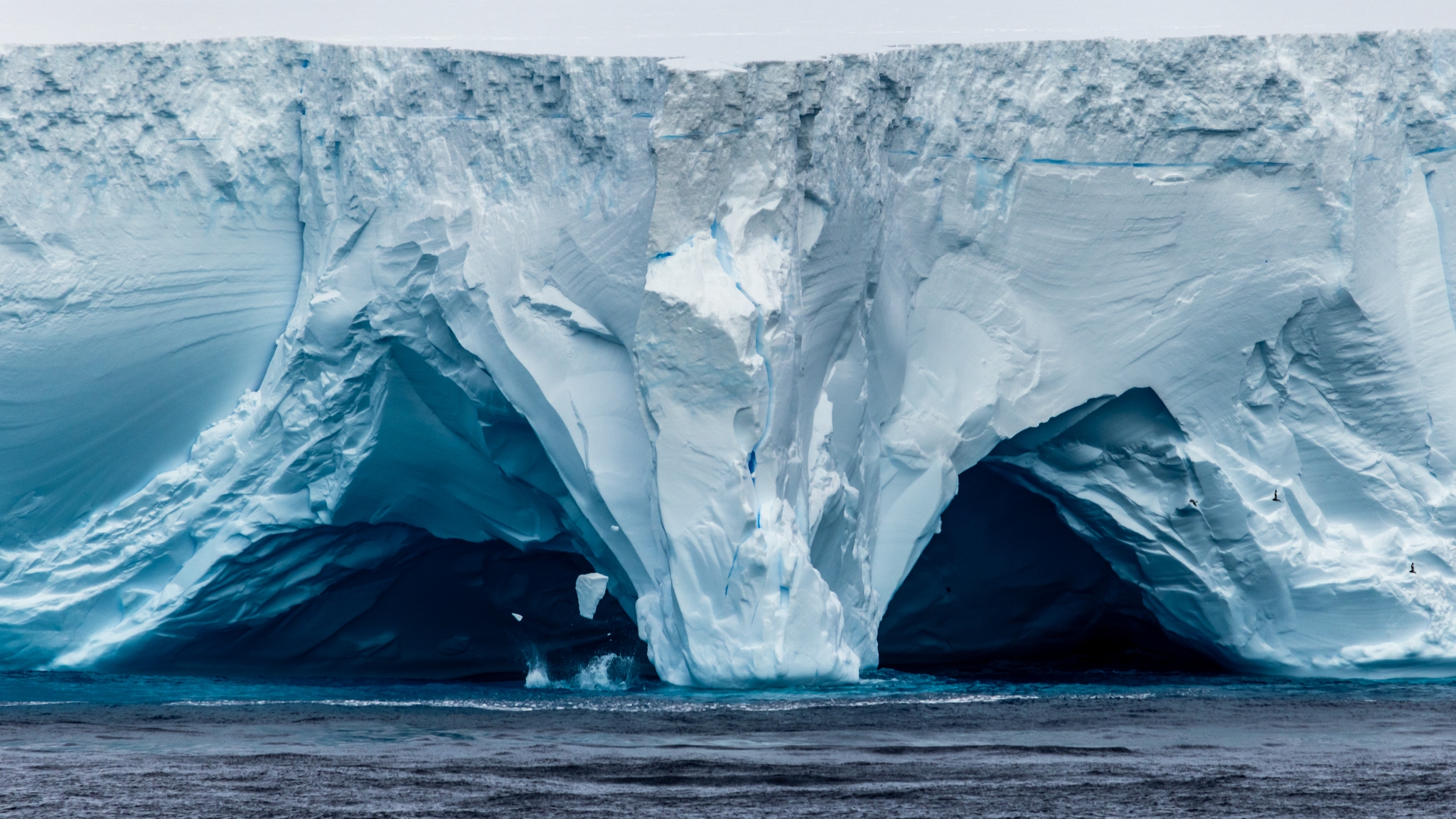
“Forty years after breaking away from Antarctica, the frozen colossus known as A23a died as it lived: drifting around the bottom of the globe, fascinating ardent observers, and offering scientists critical new insights about our living ocean.” I did not know about this beautiful, beloved iceberg. I’m now glad I do, even if it’s a few years too late.
8 Succession - Fifty Two
In the last issue just a week ago, I said it’d been a long time since I shared anything from Fifty Two - I now have another! I’m sad they’re not in the business of writing lovely longform anymore, but I can at least go through their back catalogue. I really liked this piece talking about the ecological diversity in the Western Ghats of India - why new species are always being discovered, the inevitable philosophical questions of what comprises a new species, and the special geography of the Ghats that is making this possible.
9 One Swedish zoo, seven escaped chimpanzees - The Guardian
Phew. One of the wildest things you’ll read all year. In 2022, the Liberian chimpanzees at Furuvik Zoo, about 150km from Stockholm, escaped… and all was chaos and pandemonium and also sadness, especially at the decisions taken to protect the public from the chimpanzees. It’s a great piece of reporting, about a sad incident.
10 You can’t reach the brain through the ears - Experimental History
“It’s like slowly filling up a bucket with precious drops of wisdom, except the bucket is your skull. The fuller your bucket gets, the more you want to pour it into other people’s buckets, to save them all the time, the heartache, and the burnt eggs that you had to endure to fill yours. This should be easy: you have the knowledge, so just give it to them!
But it isn’t easy. You tell them they’ll be sad and lonely at Oxford; they don’t get it. You warn them that holding a grudge will only weigh them down; they refuse to let it go. You explain how to parallel park; they end up jammed into a spot at a 45-degree angle with a line of cars honking behind them. It’s like you’re tipping your bucket over theirs, but all the wisdom-water splashes everywhere, and none of it ends up in their bucket.
Why is this so hard? Why must every generation of humans spend their entire lives learning what the last generation already knew? Why can’t we reach the brain through the ears? The lives we could save, the years we could get back, the progress we could make, if we could just solve this problem!
So let’s try.”