Hello there, reader, and welcome to another Sunday morning Kat’s Kable! I’m fresh off a lovely birthday Saturday, and feeling really nice and warm and loved. What a nice feeling! I’ve also finished my re-read of the first three Earthsea books, and what a nice homecoming that is too. And it’s Diwali! Cheers all around. On that note, please enjoy the Kable. Ten great things to read, as always. I know I missed last week, but we don’t need to talk about that. :P
1 The Mystery in the Medicine Cabinet - Asterisk
Fun read about acetaminophen (aka paracetamol) vs. ibuprofen, which seem to have pretty solid backers in their respective camps. Paracetamol is hard on your liver, and you can’t really do as much damage by overdosing on ibuprofen. But which is better? The TL;DR is that acetaminophen is generally safer, but the FDA label doesn’t tell you that - but that’s because the FDA label does a great job of summarizing the studies taken on both drugs. I found this piece more illuminating on how to write medicine labels than on the drugs efficacies and side-effects themselves!
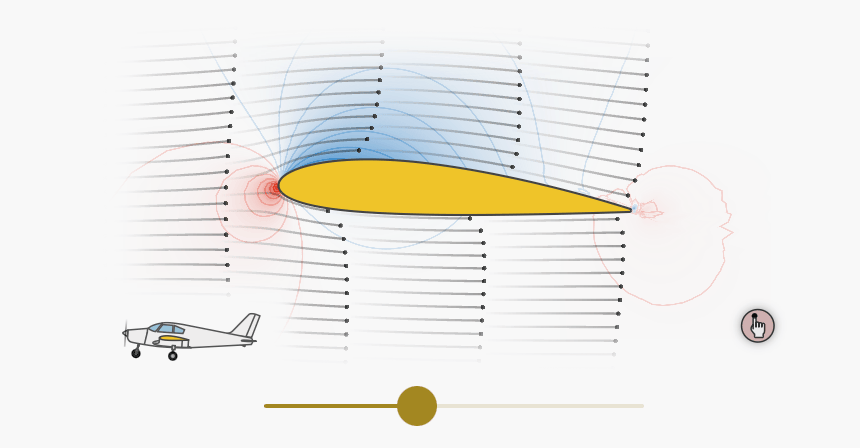
2 Airfoil - Bartosz Ciechanowski’s blog
Another amazing interactive science & engg explanation from Bartosz Ciechanowski! If you want to learn about how planes fly and how airfoils (wings, essentially) generate lift that enables planes to fly. Superb!
3 How SpaceX Streamlined the Raptor Engine - Construction Physics
On a related note - I’ve been spending a bunch of time at work getting into the rabbit hole of rocket engines, and I very much enjoyed Brian Potter’s attempt at deconstructing SpaceX’s Raptor engine and its evolution over time. If you haven’t seen this amazing image, here it is:
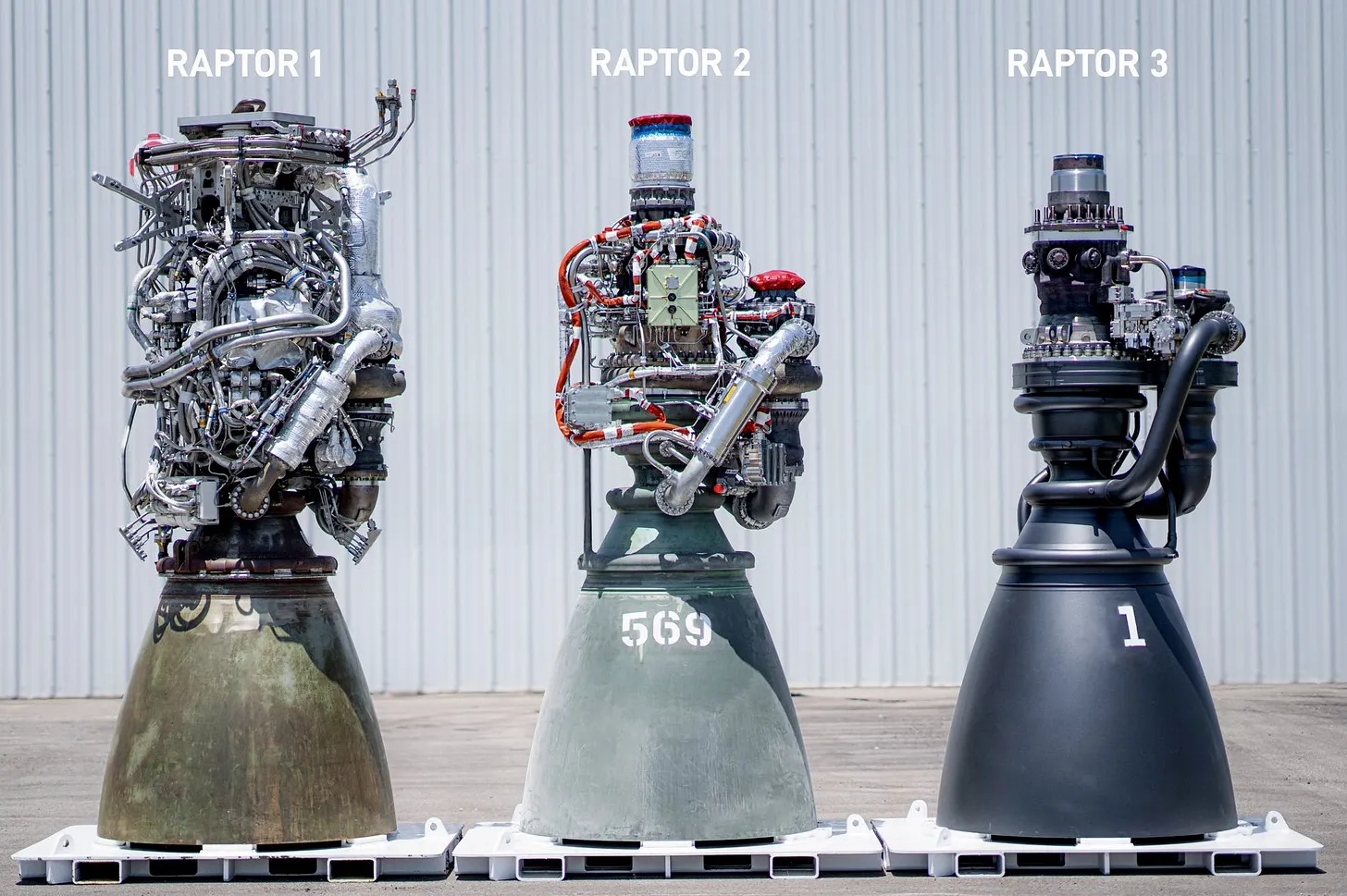
Magical!?
4 Compression is prediction - Annie Sexton on Ngrok
Agentic coding tools getting better have had a bunch of effects, some positive and some negative. I’m a big fan of me being able to write my own custom apps for things (like for the newsletter!). One of the other amazing things that people have been doing are creating wonderful interactive explainers for complex topics, like this one. I don’t know if this particular connection between information compression and LLMs is made with coding agent assistance, but I loved it. A few of us at home were talking about how AI has been eroding parts of our skills, particularly for kids in their educational phase. I feel that’s true if you start to outsource the process of understanding things itself, but if you want to use it to understand things at a deeper level, it’s in fact a wonderful tool to make explanations tailored to what you want.
5 Huawei, 5G, and the Man Who Conquered Noise - WIRED
How fun was this 2020 piece! Two of my papers from my PhD built on work done by the Turkish information theorist Erdal Arıkan - he invented a figure of merit called “guesswork” which we generalized to the quantum regime. He is more famously known for polar codes, which are used heavily now in telecommunications to ensure reliable transmission of data. What I learnt in this piece was his connection to Huawei, how they used his (very public work) to establish their ascendancy in the telecom space, which is heavily contested, as you might imagine.
6 How I Write Posts - Construction Physics
Ooh two posts from the same blog in one newsletter, but with Brian Potter/Construction Physics, that’s never a problem. Unlike the SpaceX Raptor engine breakdown, this is a meta piece of writing where Potter takes us through his process of writing posts. What was cool was the reliance on primary sources & the time of the post (Feb 2024) and hence only a smattering reference to AI/ChatGPT. Quite inspiring, if I may say so myself.
7 Planning with Agents: Divided Worlds, Boundary Objects, and Thicker Interfaces - Maggie Appleton
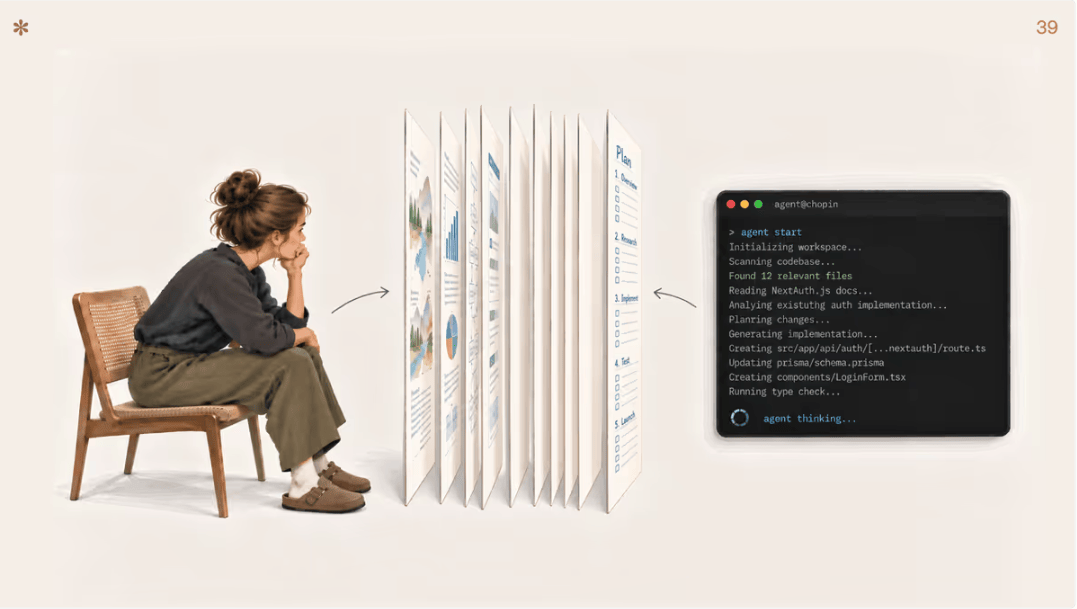
Maggie Appleton’s work is amazing - I keep sharing the beautifully presented talks she puts up on her website. You can look at One Developer, Two Dozen Agents, Zero Alignment, Growing a Human: The First 30 Weeks and The Expanding Dark Forest and Generative AI. I liked this one a lot because it talks about the ergonomics and UX of working with AI agents. Right now, it’s very text-heavy, and we as agent steerers have to read verbose output because agents are good at generating that. But why? Why not utilize their tirelessness to get them to generate nicer forms of output that are easier for us to read, and which change in form from task to task? Appleton says that we should create thicker interfaces and that agents should be responsible for creating the “boundary objects” that make it easier to interact with them.
8 Beyond the Machine - Frank Chimero
Looks like this is an issue with a lot of pieces by my favourite writers - no complaints! This is a 2025 talk transcript from Frank Chimero, a designer and thinker I admire. Instead of summarizing, I’ll just reproduce his opening gauntlet:
Today, I’d like to try to open things up a bit. I want to frame the technology more like an instrument, and get away from GenAI as an intelligence, an ideology, a tool, a crutch, or a weapon. I find the instrument framing more appealing as a person who has spent decades honing a set of skills. I want a way of working that relies on my capabilities and discernment rather than something so amorphous and transient as taste. (If taste exists in technology, it needs to be smuggled in.)
9 Friend in the Arena - Samarth Bansal
Samarth Bansal is a journalist who currently leads content & community at the health food brand Whole Truth Foods. He went to college with Ashutosh Ranka, the national spokesperson of the Cockroach Janata Party. This is a lovely “profile” of sorts of Ranka, told from a friend and admirer’s perspective. No matter what you feel about the politics and the positioning and the people, this is a really nice read. I think it’s really special to be seen in this way by a friend.
10 “Time”, an essay by the poet David Whyte - David Whyte (via Danger Classified)
The entrance into time is always the threshold where we are asked to loosen our grasp on our previous fearful understandings. Love is time unanchored and let to be fully itself, where the hours are rich and spacious with anticipation and the sudden sense that there is no immediate horizon to our possibilities. Without love, and the all-round attention, love pays to the world, time is where I feel most powerless. and What physicists call mass, we could call presence. And as in a human life, presence is invitational. Presence invites other presences towards it. Presence slows time down and opens up possibilities of experiencing the timeless and the eternal. The depth, amplitude and invitational nature of my presence slows time for everyone around me. Timelessness is the foundation of all real charism and charisma. By creating a centered, timeless presence, I invite everyone unconsciously to make the choice to join me there.